
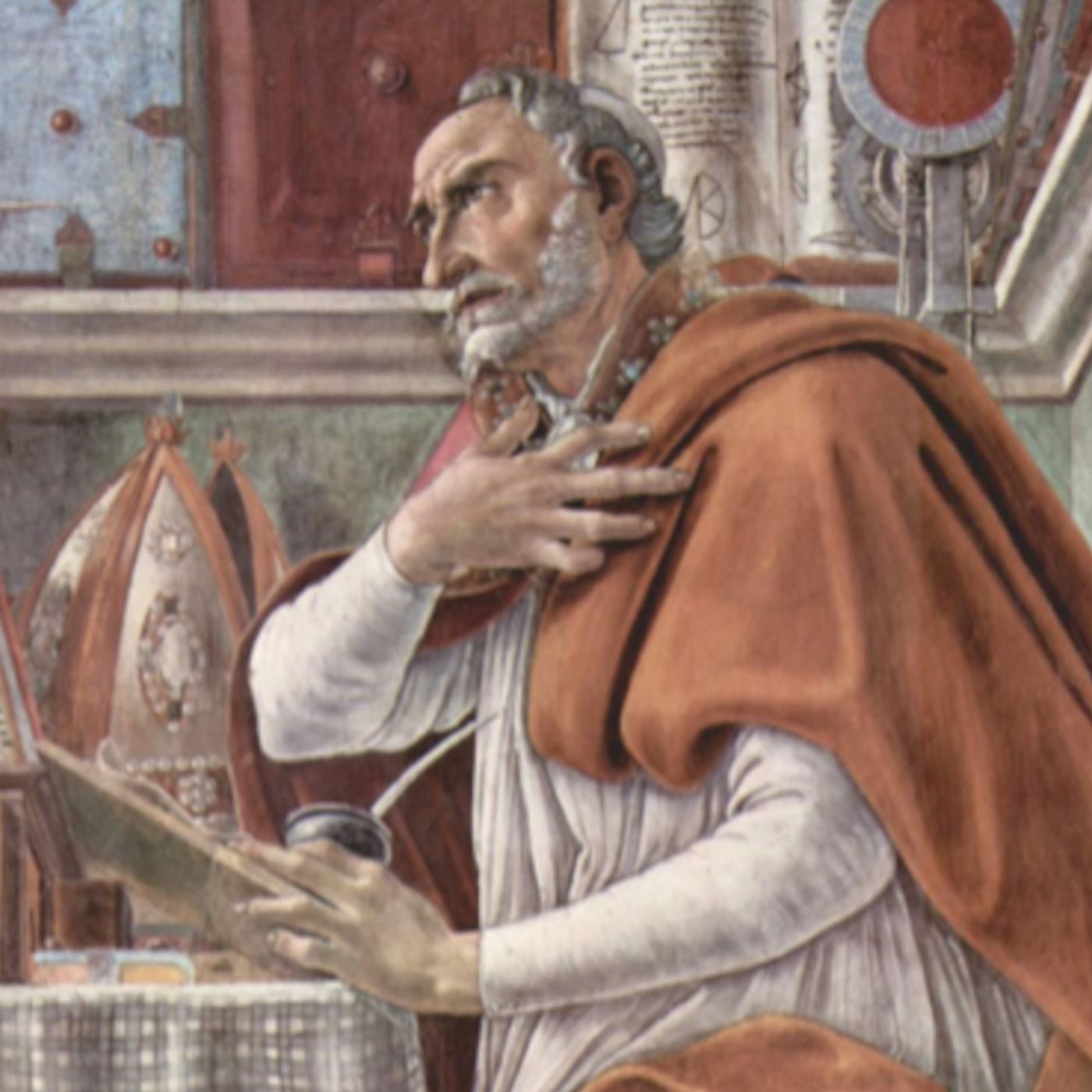
Catholic Saints & Feasts
August 28: Saint Augustine, Bishop and Doctor
Aug 28, 2026 · 6m
Prefer sermons downloaded automatically?
About this sermon
August 28: Saint Augustine, Bishop and Doctor
354–430
Memorial; Liturgical Color: White
Patron Saint of theologians and printers
A psychologist, theologian, and working bishop is the greatest convert after Saint Paul
The mighty African Saint Augustine climbed the heights of thought, stood upright on their peaks, and turned toward Rome, and thus spread his long, deep shadow over the entire globe. As a Christian thinker, he has few equals. He is the saint of the first millennium. Augustine was born in the small Roman village of Tagaste, in Northern Africa, to a minor civil official and a pious, head-strong mother. Tagaste had no swagger. Its simple people were bent over from working the land since time immemorial. The great African cities hugged the Mediterranean coast, far from Tagaste, which was cut off, two hundred miles inland. When he was a boy, Augustine imagined what the far-off waves of the sea were like by peering into a glass of water. When he was twenty-eight, he descended from his native hills and sailed for Rome to find himself, God, and holy fame. When he returned to Africa many years later, it was for good. The hot-tempered young African had matured into a cool-headed spiritual father. He was now their bishop, lovingly and tirelessly serving the open, forthright townsmen that were his natural kin.
It is challenging to categorize someone who is the founder of an entire genre or school of thought. No one knew what an autobiography was until Augustine wrote his Confessions. There was Caesar’s Gallic War before, and there would be Jean-Jacques Rousseau’s Confessions later. And there is volume after volume now. All pale. Augustine wrote the Confessions as the Bishop of Hippo when he was about forty-three, covering his early life up to the age of thirty-three. It is not a great book due to its density of historical detail. The reader hungers for facts and is left unsatisfied. Whereas autobiographies are normally stuffed with people, places, and things, Augustine says almost nothing about his father, only mentioning his death in passing. He does not clarify how many siblings he has. It is often not clear when, or where, events occur. Augustine is clearly not concerned, in short, with his outward journey. It is the inner drama, the drama of the soul, that he wants to recount. The Confessions changes the answer to the perennial question “What really happened?” from the outside to the inside. Augustine is the author of the first “Story of a Soul.”
Augustine is the world’s first great psychologist. He does self-reflection and analyses ages before Saint Ignatius and perceives unconscious motivations centuries before Freud. The painfully self-aware, tell-you-everything, what-are-you-hiding, hyper-modern psyche of today is deformed Augustinianism. It took a long time for the future to catch up to him. Augustine does so many things first, does them better, and does them as a Catholic. With the historical details left to the side, he self-investigates his early childhood, his unsatisfied father-hunger, the emotional darkness caused by the death of friends, his enduring guilt for stealing some pears, his complex love for his mother, and how hard it is…how hard…to leave the woman he has loved for fifteen years. They have a child together after all. But Augustine must let her go. He must move on, and he does. She is the Confessions’ mysterious character. He never even gives her name.
Reading other great theologians, one knows almost nothing about them, their friends, or their personal thoughts or desires. Reading Augustine, you get the man in full. He is concerned with relationships, that of his to God and to his mother, and that of others to himself. He would start his personal letters with Dulcissimus concivis—My dearest friend. And he meant it. He was a highly educated scholar, a great letter writer who worked in the close orbit of the Roman imperial court, and a sophisticated thinker who most opened the intellectual path the Church would walk until the scholastics of medieval times introduced Aristotle to Christian thought.
When Augustine turned his head from the beauty of the senses toward the holy beauty of God, his personal sensory privation was more than an absence. It was a total commitment. In the second phase of his life, Augustine placed the heavy cross of routine pastoral care on his shoulders. He became a working bishop and excelled at this role. This complex man, this highly fruitful, working intellectual, asked to be alone in his room when death finally came for him in his seventy-fifth year.
Saint Augustine, may our own examination of conscience be like yours—continual, honest, and Christ-centered. You achieved a high level of self-awareness not for its own sake but to prune all sin from your soul. May we be as self-focused, and as God-focused, as you were.
More from Catholic Saints & Feasts
November 25: Saint Catherine of Alexandria, Virgin and Martyr
Nov 25, 2026 · 6m
November 25: Saint Catherine of Alexandria, Virgin and Martyrc. Late third–early fourth centuriesOptional Memorial; Liturgical Color: RedPatron Saint of philosophers, apologists, and all who work with...
November 24: Saint Andrew Dũng-Lac, Priest, and Companions, Martyrs
Nov 24, 2026 · 6m
November 24: Saint Andrew Dũng-Lac, Priest, and Companions, Martyrs1795–1839; Seventeenth–Nineteenth CenturiesMemorial; Liturgical Color: RedPatron Saints of VietnamThousands of priests and converts...
November 23: Blessed Miguel Agustín Pro, Priest and Martyr (U.S.A.)
Nov 23, 2026 · 7m
November 23: Blessed Miguel Agustín Pro, Priest and Martyr (U.S.A.)1891–1927Optional Memorial; Liturgical Color: RedThe proto-martyr of the age of the imageThe emaciated holocaust survivor behind...
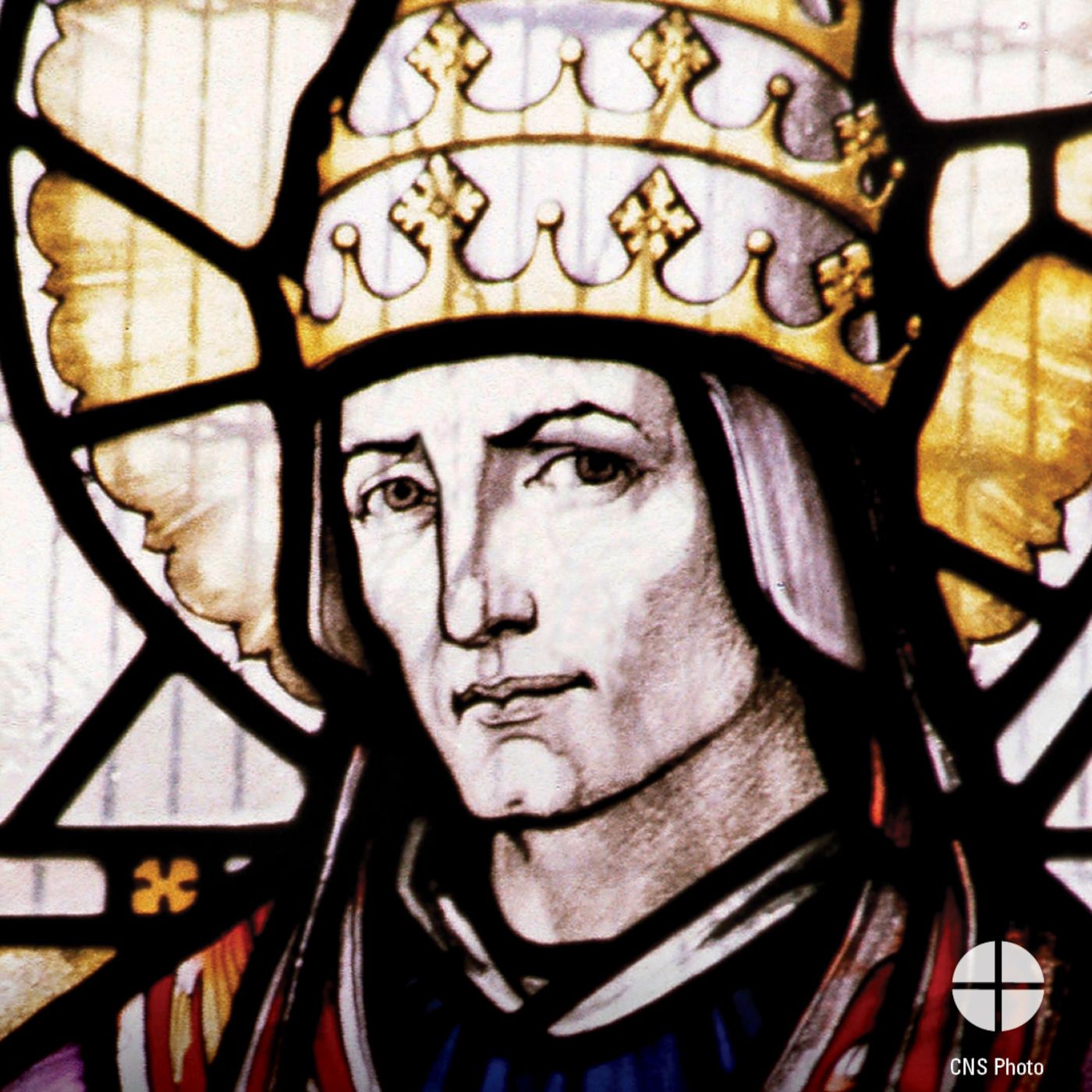
November 23: Saint Clement I, Pope and Martyr
Nov 23, 2026 · 6m
November 23: Saint Clement I, Pope and MartyrFirst CenturyOptional Memorial; Liturgical Color: RedPatron Saint of sailors and marble workersPrimacy more than infallibility, service more than...

November 23: Saint Columban, Abbot
Nov 23, 2026 · 5m
November 23: Saint Columban, Abbotc.543–615Optional Memorial; Liturgical Color: WhitePatron Saint of motorcyclists and against floodsHe led the first wave of Irish monks who stormed EuropeThroughout...
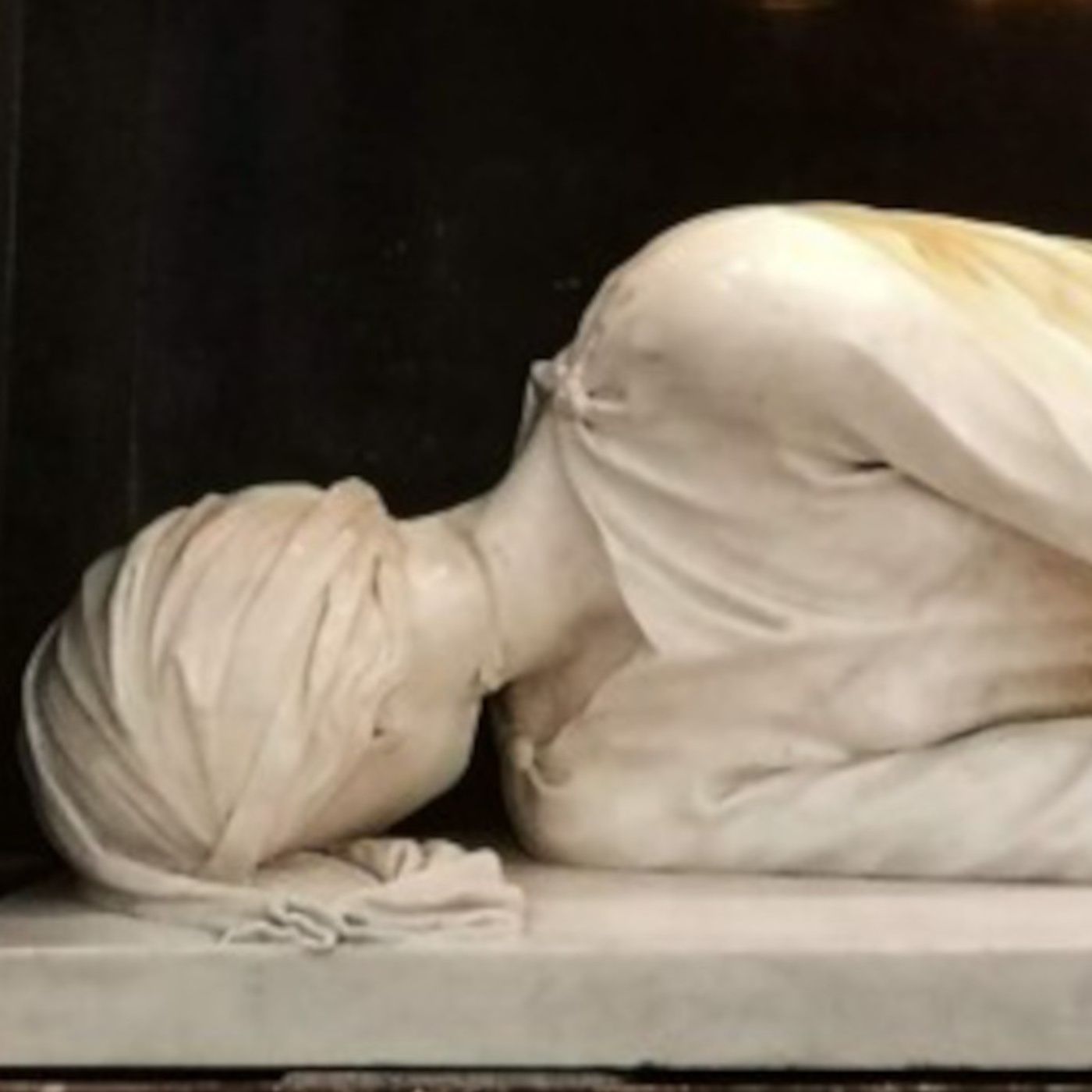
November 22: Saint Cecilia, Virgin and Martyr
Nov 22, 2026 · 6m
November 22: Saint Cecilia, Virgin and Martyrc. Third CenturyMemorial; Liturgical Color: RedPatron Saint of Music and MusiciansA girl martyr’s mysterious death seizes the imaginationThe First...
Take these sermons with you.
Follow Catholic Saints & Feasts in the Getsermons app to get every new sermon, build playlists, and pick up right where you left off.

