
Catholic Saints & Feasts
August 6: The Transfiguration of the Lord
Aug 5, 2026 · 5m
Prefer sermons downloaded automatically?
About this sermon
August 6: The Transfiguration of the Lord
First Century
Feast; Liturgical Color: White
A preview of coming attractions, our destination is a person more than a place
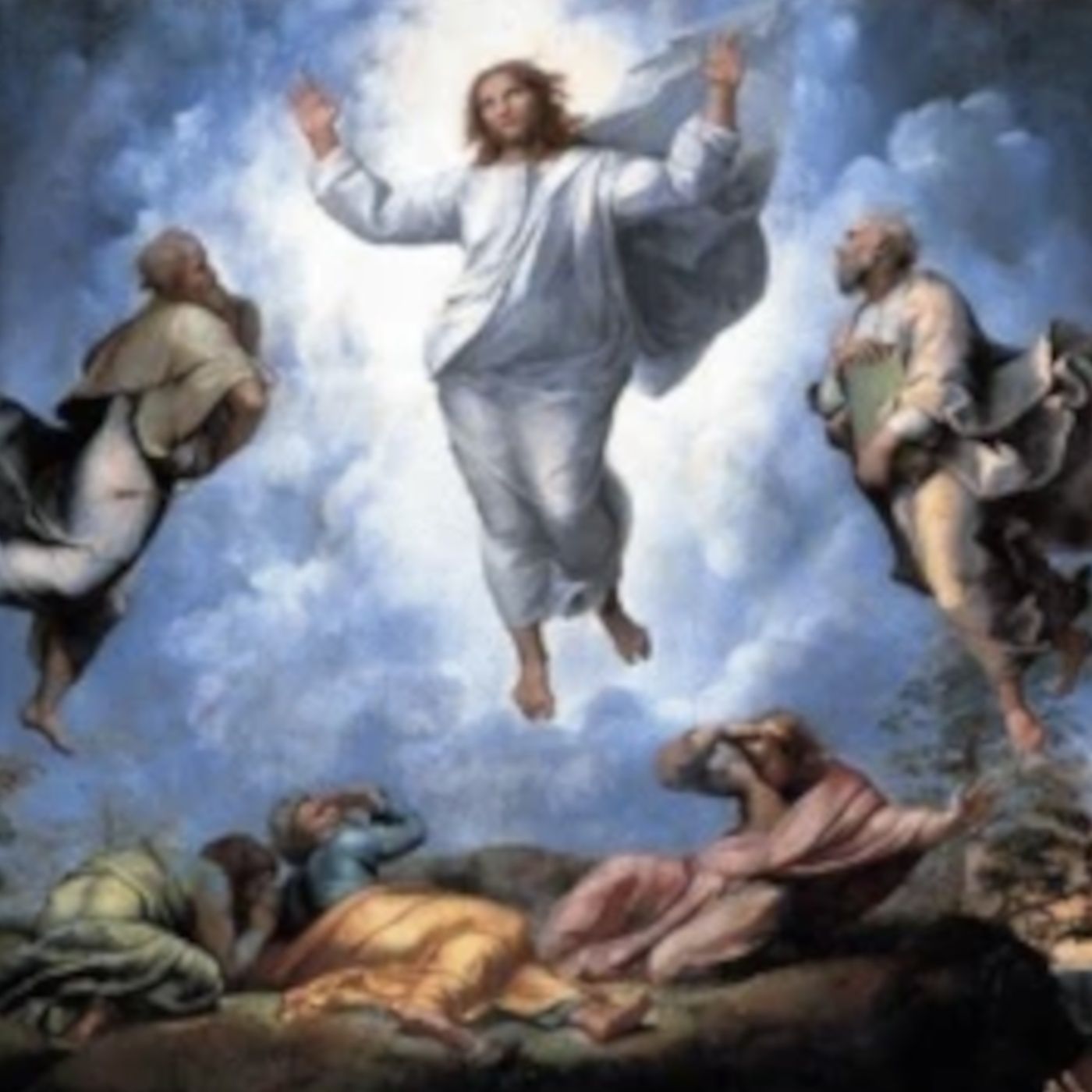
It was not a miracle that Jesus Christ transfigured Himself on Mount Tabor before the Apostles. It was a miracle that He maintained His common, earthly appearance for the whole of His life. It was a miracle that His face was not glowing like the sun as He walked the hills and valleys of the Holy Land. Christ’s normality, His sustained suppression of His divine radiance, was a miracle of humility, of slavish devotion to His vocation to incarnate, teach, suffer, and die for mankind.
The Christian believes in the resurrection of the body and life everlasting in that body. We believe this because of the appearances of the risen Christ after His resurrection, because of His bodily Ascension into heaven, because the gospels specifically mention the empty tomb, and because of the events of today’s feast. The Transfiguration shows the splendor of truth. It is a peek into the life of heaven, where we see that Christ will not shed His human skin. Christ will bring His humanity to heaven and glorify it. This exaltation of flesh and blood is one reason why the Church has such immense respect for the human body.
The Church’s understanding is contrasted by two extreme views on its flanks: one overly spiritualizing man, and the other overly materializing him. The religions of the Orient stress the inner life of man to such an extent that they see him as a pure spirit caged in the body, glad to escape the confining carcass at death. From this Oriental perspective, the body is a trap for the soul. On the other flank is the Western materialist view. It sees the body as having priority over the soul to such an extent that physical, sensory experience is the best, and only, path to knowledge. This Western lens sees the body as a sensory sponge meant to soak up as many external experiences—pleasure, music, travel, conversation, food—as possible. If you don’t experience something yourself, you can’t assess its truth or value. This personalizing of existence reduces all reality to “me” and leads to cultural breakdown.
But neither an excessively spiritual approach nor an excessively material understanding does the body justice. A balanced understanding of the relationship between the body and soul is a hallmark of traditional Christianity. When Christ reveals His glory, He doesn’t point a long, bony finger to a colorful rainbow on the horizon. He doesn’t puff His cheeks and blow a strong rush of wind on the Apostles’ faces. And He doesn’t sit down and start playing soothing melodies on a harp. Christ shows the Apostles the truth by showing them Himself. He shows them His arms and legs and torso and face and hair. It’s a real body. Jesus gives us a target to aim for. He shows us that the destination is Himself. We desire heaven because Jesus is there. If He were not there, then heaven would not be heaven. He, not a place, is the true destination.
A mystery is not something we can know nothing about but something we can’t know everything about. A comprehensible God would not be God, but an entirely opaque God would also be too remote for us to care. Catholicism’s theology of the body has a beautiful equilibrium because our God is knowable and yet mysterious. Food, drink, dancing, smoking, romance, music, and beauty are not sins. The body is good, and God took one Himself as proof of that. But while nature is the source of human operations, a person operates them. So the person prevails over the tools he uses. The body, then, must ultimately be a servant. We are enfleshed souls. In heaven, hopefully, we will be most truly us and have our ideal body. Every man and woman will be transfigured like Christ and radiate the glory of the Trinity in heaven, like a white sheet on the line radiates the sun shining behind it.
Lord of the Transfiguration, Your glorified body gives us hope of the glories to come in heaven, where You will be the destination. May Your glorified body inspire all Christians to live well their body-soul uniqueness on earth until they are perfected in heaven through You.
More from Catholic Saints & Feasts

4th Thursday in November: Thanksgiving Day (U.S.A.)
Nov 26, 2026 · 6m
Fourth Thursday in November: Thanksgiving Day (U.S.A.) Optional Memorial; Liturgical Color: White Life is a gift replete with countless gifts It’s 1542, and the Spanish Franciscan Juan de Padilla, a...
November 25: Saint Catherine of Alexandria, Virgin and Martyr
Nov 25, 2026 · 6m
November 25: Saint Catherine of Alexandria, Virgin and Martyrc. Late third–early fourth centuriesOptional Memorial; Liturgical Color: RedPatron Saint of philosophers, apologists, and all who work with...
November 24: Saint Andrew Dũng-Lac, Priest, and Companions, Martyrs
Nov 24, 2026 · 6m
November 24: Saint Andrew Dũng-Lac, Priest, and Companions, Martyrs1795–1839; Seventeenth–Nineteenth CenturiesMemorial; Liturgical Color: RedPatron Saints of VietnamThousands of priests and converts...
November 23: Blessed Miguel Agustín Pro, Priest and Martyr (U.S.A.)
Nov 23, 2026 · 7m
November 23: Blessed Miguel Agustín Pro, Priest and Martyr (U.S.A.)1891–1927Optional Memorial; Liturgical Color: RedThe proto-martyr of the age of the imageThe emaciated holocaust survivor behind...
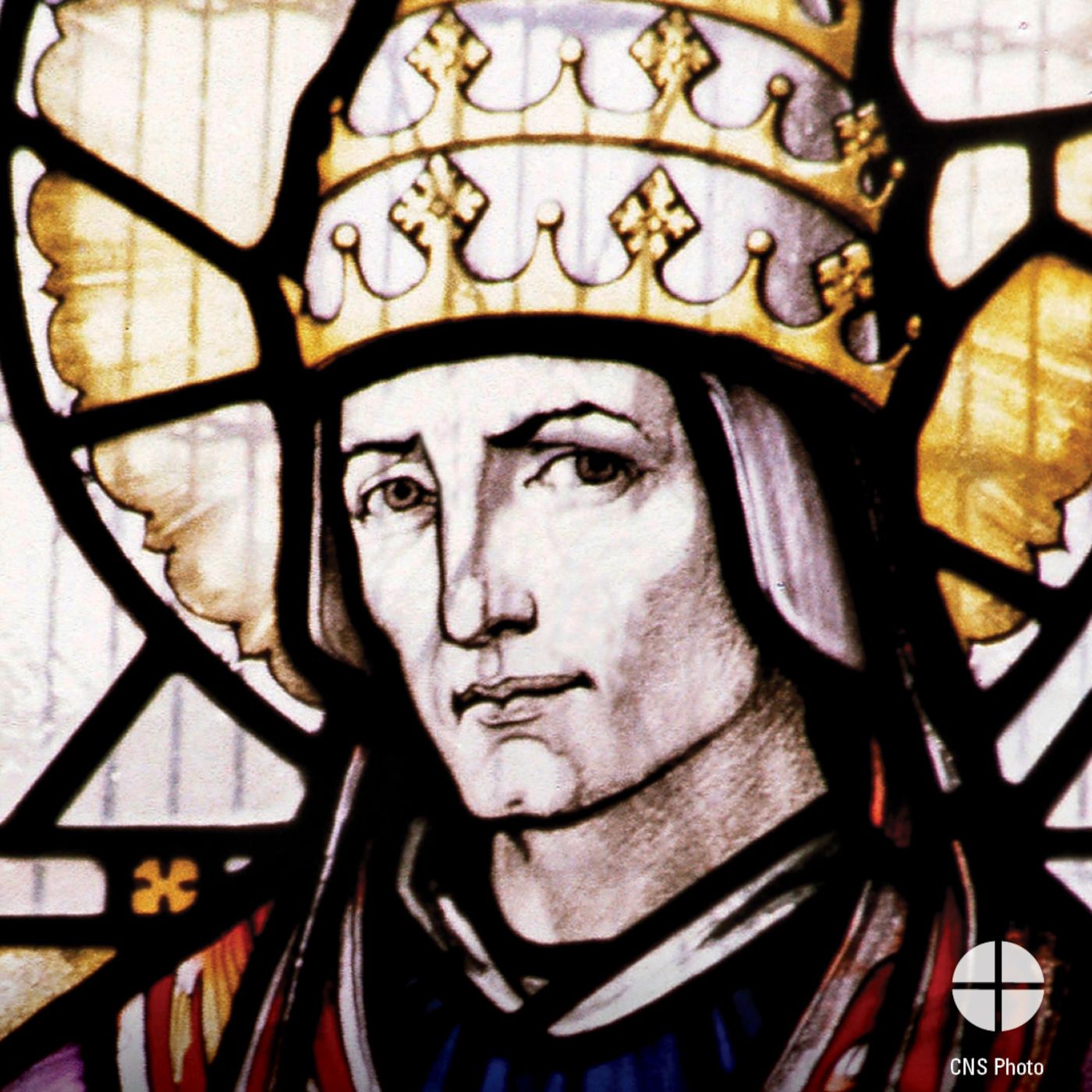
November 23: Saint Clement I, Pope and Martyr
Nov 23, 2026 · 6m
November 23: Saint Clement I, Pope and MartyrFirst CenturyOptional Memorial; Liturgical Color: RedPatron Saint of sailors and marble workersPrimacy more than infallibility, service more than...

November 23: Saint Columban, Abbot
Nov 23, 2026 · 5m
November 23: Saint Columban, Abbotc.543–615Optional Memorial; Liturgical Color: WhitePatron Saint of motorcyclists and against floodsHe led the first wave of Irish monks who stormed EuropeThroughout...
Take these sermons with you.
Follow Catholic Saints & Feasts in the Getsermons app to get every new sermon, build playlists, and pick up right where you left off.

