
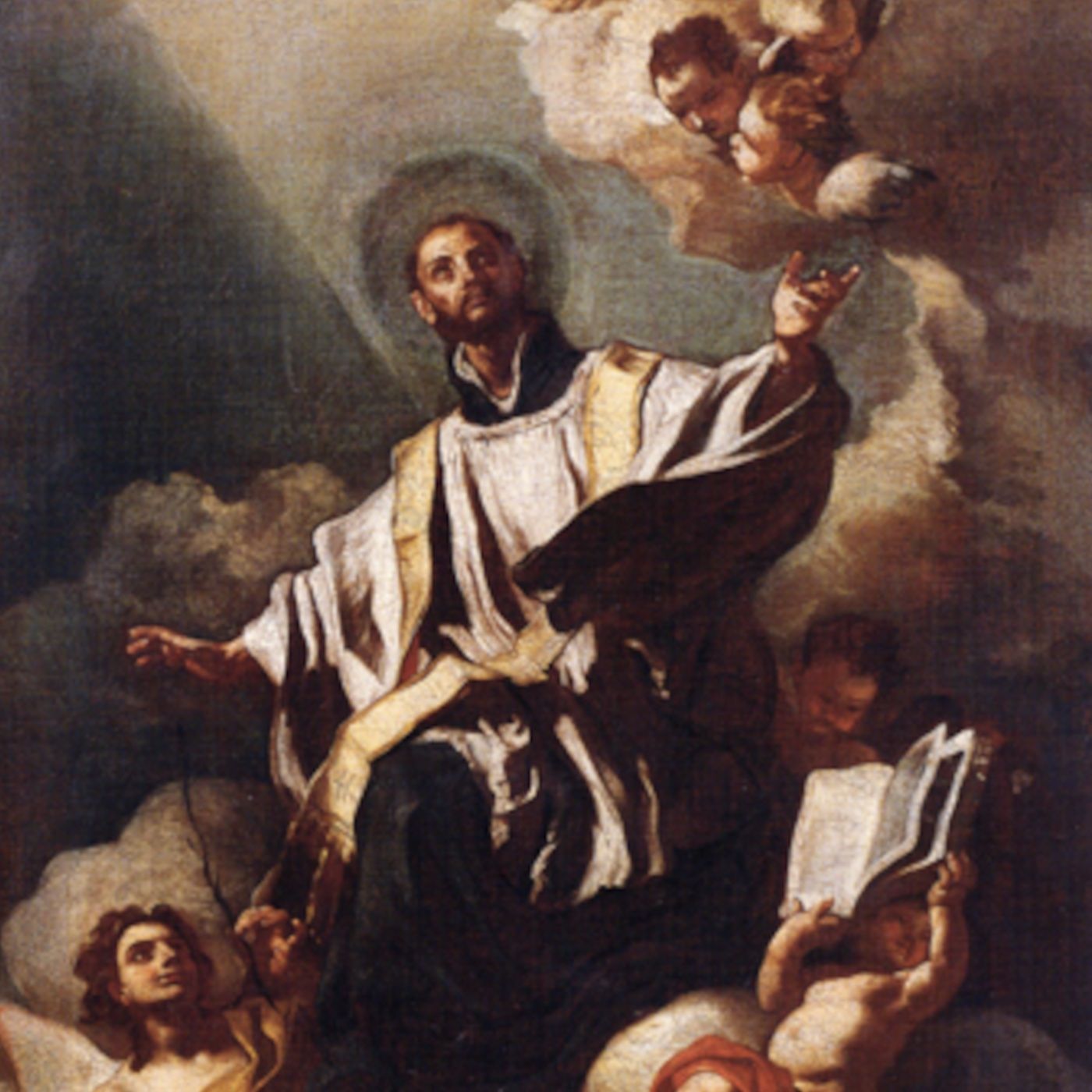
Catholic Saints & Feasts
August 7: Saint Cajetan, Priest
Aug 7, 2026 · 5m
Prefer sermons downloaded automatically?
About this sermon
August 7: Saint Cajetan, Priest
1480–1547
Optional Memorial; Liturgical Color: White
Patron Saint of Argentina, the unemployed, and gamblers
A reformer before his time
Gaetano di Conte di Thiene, today’s saint, was born with a silver spoon in his mouth, but he spit it out. His father was a count, his family noblemen, and his status and wealth secure. Gaetano studied theology and law and became a senator of his city-state. When he went to Rome, he rose straight to the top and became a functionary in the curia of Pope Julius II. But he secretly desired more—meaning that he desired less. It was not his calling to use his education, position, and family contacts to rise ever higher in the church and society. He wanted a more intense encounter with God, so when Pope Julius died in 1513, Gaetano resigned his papally appointed office and studied for the priesthood. He was ordained in 1516, in his mid-thirties, a late vocation by the standards of his own time or even today.
After ordination, Father Cajetan returned to Northern Italy, his native land, and joined a confraternity of devout men. The men of the confraternity were from the lower rungs of society, signaling Cajetan’s break with his own family’s privileged background. He then began a life-time of service to the sick and poor in various hospitals and distinguished himself by caring for the most hopelessly ill patients. Father Cajetan’s negative personal experiences of the Church of his era, and of priests specifically, were, unfortunately, common. He was scandalized by the tepid spirituality and lax morals of some clerics and saw the need for an ecclesial cleansing.
Father Cajetan saw exactly, or even more of, what Father Martin Luther saw in the same span of years and in the same exact city—Rome—but Cajetan had a far different reaction than Luther. There was no reason to sever a limb from the body of Mother Church. Cajetan sought to transform, not to rupture. He desired purification, not reformation. A different Cajetan from Italy, an erudite Cardinal but not a saint, would debate Luther in Augsburg at a pivotal point in the early Reformation. Our saint didn’t debate the finer points of philosophy and theology like Cardinal Cajetan, although that was certainly needed. Saint Cajetan’s response to the need for purification in the Church was to purify himself and to invite other priests to join him.
In 1523 Father Cajetan went to Rome to dedicate himself to the renewal of the clergy along with some like-minded friends. They founded a small Congregation named after Theate, the city where one of the co-founders was a bishop. The four founding members of the Theatines were all well-educated noblemen, including one who would later become Pope Paul IV. In 1524 they exchanged their robes of honor for humble habits and professed vows in St. Peter’s Basilica. Their charism was to preach correct doctrine, to care for the sick, to encourage frequent reception of the Sacraments, and to restore love of poverty, knowledge of Scripture, and dignified liturgical practice among priests. The Theatines spread throughout Italy doing pastoral work and serving heroically among the sick. Cajetan also engaged in some creative pastoral ministry late in his life by establishing Christian pawnshops which granted loans to the poor, saving the vulnerable from rapacious money lenders.
Saint Cajetan and the Theatines were eventually eclipsed, however, by the more dynamic Saint Ignatius of Loyola and his powerhouse Order, the Jesuits. Saint Cajetan died disappointed at the lumbering pace of the on-again, off-again Council of Trent. He is among that second tier of lesser known saints of the early sixteenth century who spurred the Church to change by their ardor for God and their lives of high virtue. The Council of Trent would not have gathered except for Cajetan and numerous others like him. Great reformers are really purifiers, and they come before, not after, Councils. Our saint was canonized in 1671, and his Theatine Order continues, although only in pockets.
Saint Cajetan, you gave a powerful witness of moral rectitude and of creative apostolic effort. Inspire all priests to live their sacred callings to the full, to purify themselves before they purify others, and to be absolutely dedicated to the truths of the faith.
More from Catholic Saints & Feasts
November 24: Saint Andrew Dũng-Lac, Priest, and Companions, Martyrs
Nov 24, 2026 · 6m
November 24: Saint Andrew Dũng-Lac, Priest, and Companions, Martyrs1795–1839; Seventeenth–Nineteenth CenturiesMemorial; Liturgical Color: RedPatron Saints of VietnamThousands of priests and converts...
November 23: Blessed Miguel Agustín Pro, Priest and Martyr (U.S.A.)
Nov 23, 2026 · 7m
November 23: Blessed Miguel Agustín Pro, Priest and Martyr (U.S.A.)1891–1927Optional Memorial; Liturgical Color: RedThe proto-martyr of the age of the imageThe emaciated holocaust survivor behind...
November 23: Saint Clement I, Pope and Martyr
Nov 23, 2026 · 6m
November 23: Saint Clement I, Pope and MartyrFirst CenturyOptional Memorial; Liturgical Color: RedPatron Saint of sailors and marble workersPrimacy more than infallibility, service more than...

November 23: Saint Columban, Abbot
Nov 23, 2026 · 5m
November 23: Saint Columban, Abbotc.543–615Optional Memorial; Liturgical Color: WhitePatron Saint of motorcyclists and against floodsHe led the first wave of Irish monks who stormed EuropeThroughout...
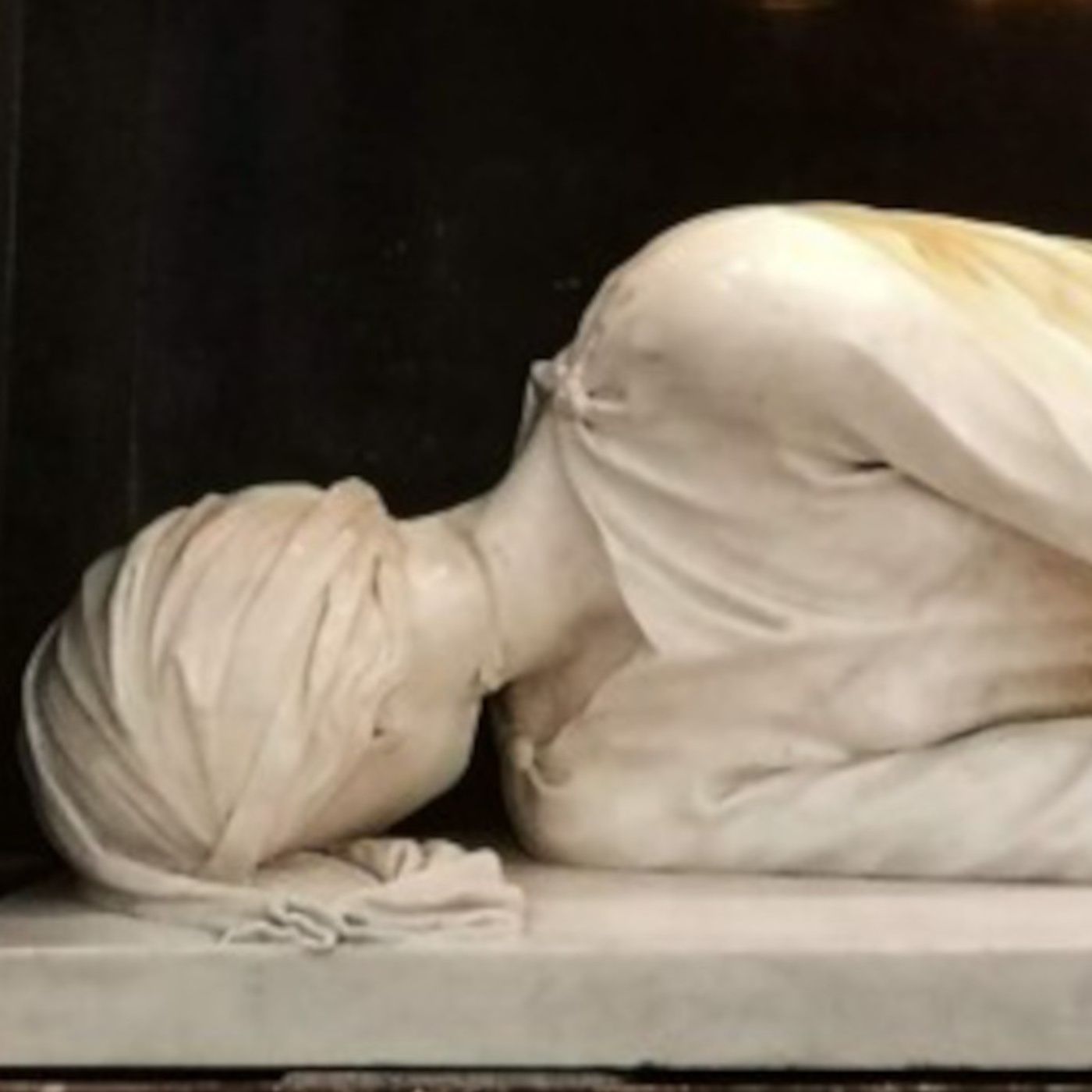
November 22: Saint Cecilia, Virgin and Martyr
Nov 22, 2026 · 6m
November 22: Saint Cecilia, Virgin and Martyrc. Third CenturyMemorial; Liturgical Color: RedPatron Saint of Music and MusiciansA girl martyr’s mysterious death seizes the imaginationThe First...

Our Lord Jesus Christ, King of the Universe
Nov 21, 2026 · 6m
Last Sunday in Ordinary Time: Our Lord Jesus Christ, King of the Universe Solemnity; Liturgical Color: White or Gold The vastness of creation serves as the Lord’s footstool This last Sunday in...
Take these sermons with you.
Follow Catholic Saints & Feasts in the Getsermons app to get every new sermon, build playlists, and pick up right where you left off.

