

Catholic Saints & Feasts
December 4: Saint John Damascene, Priest and Doctor
Dec 4, 2025 · 6m
Prefer sermons downloaded automatically?
About this sermon
December 4: Saint John Damascene, Priest and Doctor
c. 674–749
Optional Memorial; Liturgical Color: White
Patron Saint of icon painters and theology students
A monk defends images from Christian attack
“Christ...did not save us by paintings,” a Synod of Bishops declared in Paris in 825. God, it could be added, did not become an icon. He became a man, and so sanctified creation itself, not just art. In the eighth century, a raging debate, even violence, over the role of images in Christianity tore at the fabric of the undivided Church. The deep wounds inflicted in the body of Christ by the iconoclastic controversy took decades to close. Today’s saint helped the healing start.
John of Damascene explained in clear, deep, and evocative language the theological significance of venerating images. He thus helped bishops, emperors, and popes to think their way out of the controversy. For his learned defense of images, Saint John Damascene was declared a Doctor of the Church centuries later, in 1890. Ironically, John’s brave defense of icons was possible because he lived behind the Muslim curtain, in Syria. He lived beyond the reach of the long arm of Constantinople, a city whose emperors opposed icons partly to appease their new and violent geopolitical neighbors, the Muslims, whose mosques were adorned with geometric patterns, not faces and bodies.
John of Damascus (or Damascene) is known primarily through his writings. The details of his life are few. When his native Syria was overrun in the 630s by a new, martial religion that blew like a strong wind out of Saudi Arabia, John’s family served in the local caliph’s administration. The Muslim conquest was facilitated by the local population of subjugated, but educated, Christians and Jews who were conquered but not displaced. They carried out the everyday tasks of empire building of which the illiterate horsemen of the desert knew nothing. John and his family were part of this large administrative class of Arabic non-Muslims. Our saint, then, personally lived the epochal transition of Syria from a Constantinople-focused Christian culture to a Mecca-facing Muslim one.
After receiving a complete education from a captive Catholic priest, John abandoned his secular career and entered a monastery near Jerusalem to become a priest and monk. The rest of his life was dedicated to his own perfection and to theological and literary pursuits. Islam’s prohibition of images forced Christian theologians to defend and explain something that had never before been challenged—the ubiquitous Christian use, in both public and private, of icons, statues, medals, crucifixes, and other forms of art. John was the first to distinguish between the worship rendered to God alone and the veneration given to images and those they represent. John noted that the saint is not the paint on the wood any more than Jesus is the ink on the page of the Gospel. Such distinctions were needed to respond to both Islam and to Old Testament strictures against using images, an exception to which was the God-sanctioned adornments on the Ark of the Covenant.
John Damascene argued that when God took flesh He ended the era of the misty, faceless God. Because God chose to be visible, the Christian can venerate the Creator of matter who became matter for man’s sake. Salvation was achieved via created matter, so we venerate that matter not absolutely, but contingently. Did not Christ hang on the wood of the cross? Did He not consecrate bread and wine? Was He not baptized in water? The matter of which images are made comes from God Himself and thus shares in His goodness. Even the Sacraments make use of the elements of creation to become vehicles of God’s grace. John’s ideas won the day, long after his death, at the Second Council of Nicea in 787, which condemned iconoclasm. From that point until the rise of Protestantism, art was correctly understood in Western culture as an extended celebration of the Incarnation. When we gaze in wonder at the mellow glow of stained glass, marvel at the smooth serenity of the face of Mary in Michelangelo’s Pietà, or wonder at the explosion of the baroque in an Italian church, we should whisper thanks to today’s saint for saving the day just when it needed to be saved.
Saint John Damascene, you studied and wrote so that the illiterate of your time could “read” icons and so know and love the Lord by just looking at Him, His mother, and His saints. Help all catechists to use their education to defend the faith of those unable to explain it to themselves.
More from Catholic Saints & Feasts

4th Thursday in November: Thanksgiving Day (U.S.A.)
Nov 26, 2026 · 6m
Fourth Thursday in November: Thanksgiving Day (U.S.A.) Optional Memorial; Liturgical Color: White Life is a gift replete with countless gifts It’s 1542, and the Spanish Franciscan Juan de Padilla, a...
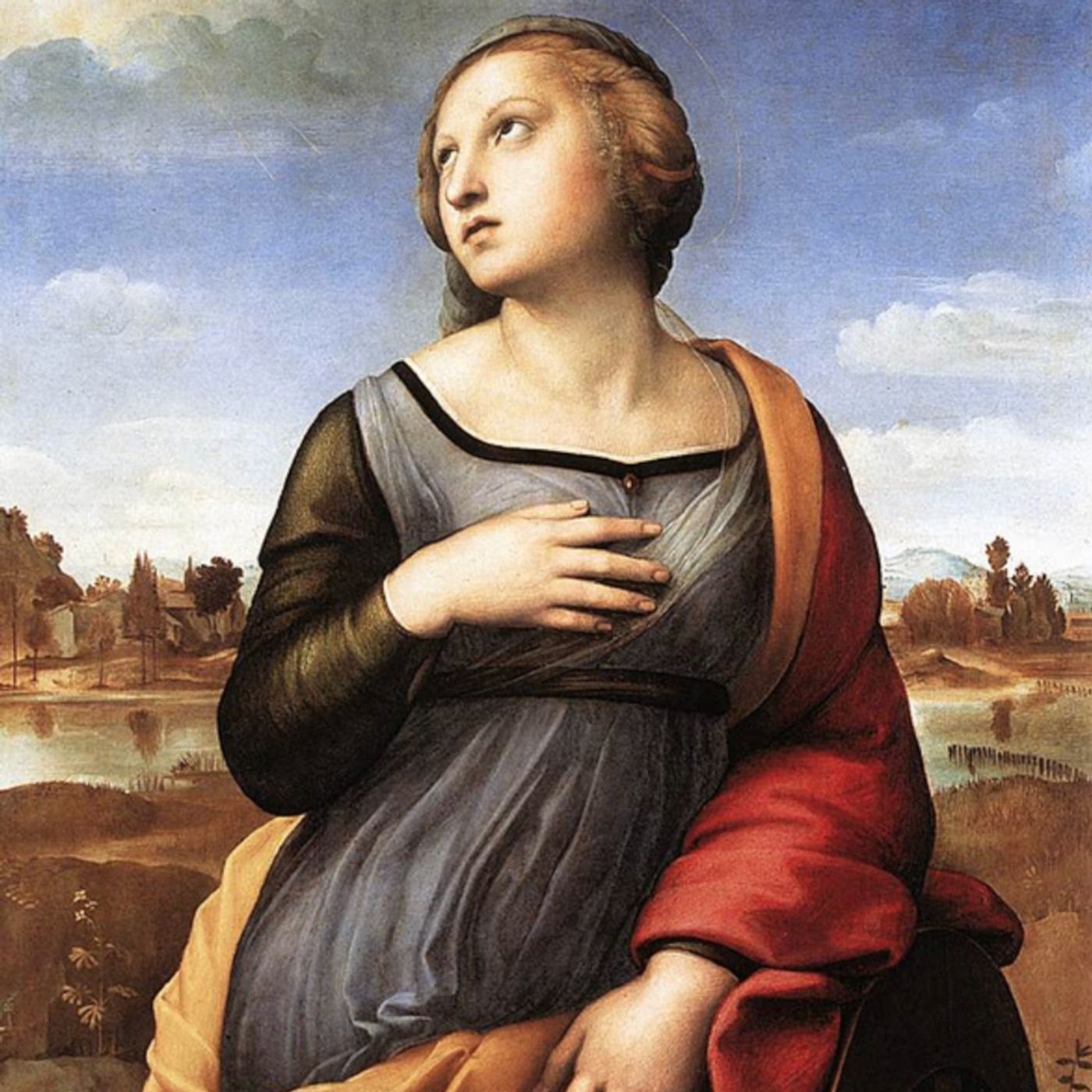
November 25: Saint Catherine of Alexandria, Virgin and Martyr
Nov 25, 2026 · 6m
November 25: Saint Catherine of Alexandria, Virgin and Martyrc. Late third–early fourth centuriesOptional Memorial; Liturgical Color: RedPatron Saint of philosophers, apologists, and all who work with...
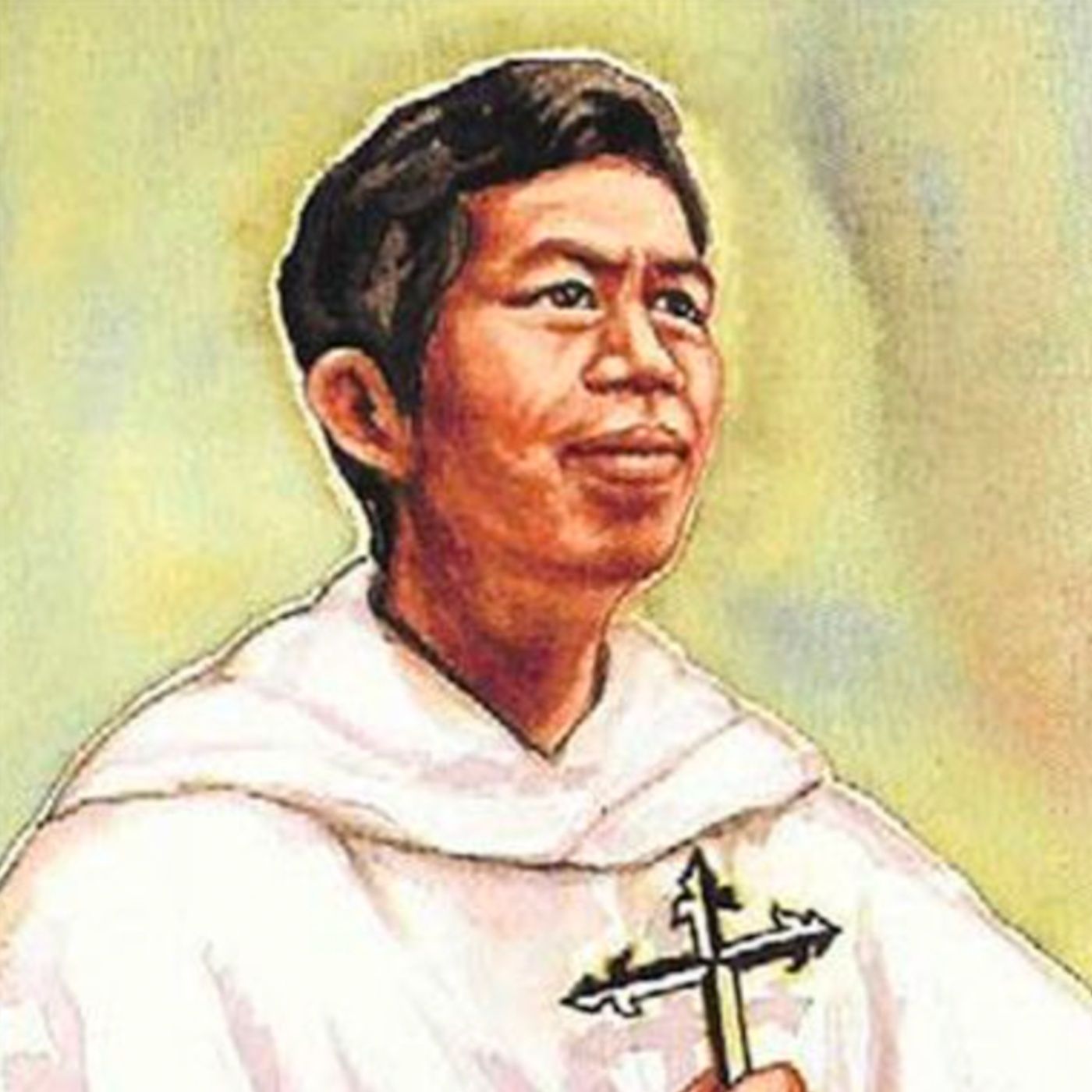
November 24: Saint Andrew Dũng-Lac, Priest, and Companions, Martyrs
Nov 24, 2026 · 6m
November 24: Saint Andrew Dũng-Lac, Priest, and Companions, Martyrs1795–1839; Seventeenth–Nineteenth CenturiesMemorial; Liturgical Color: RedPatron Saints of VietnamThousands of priests and converts...
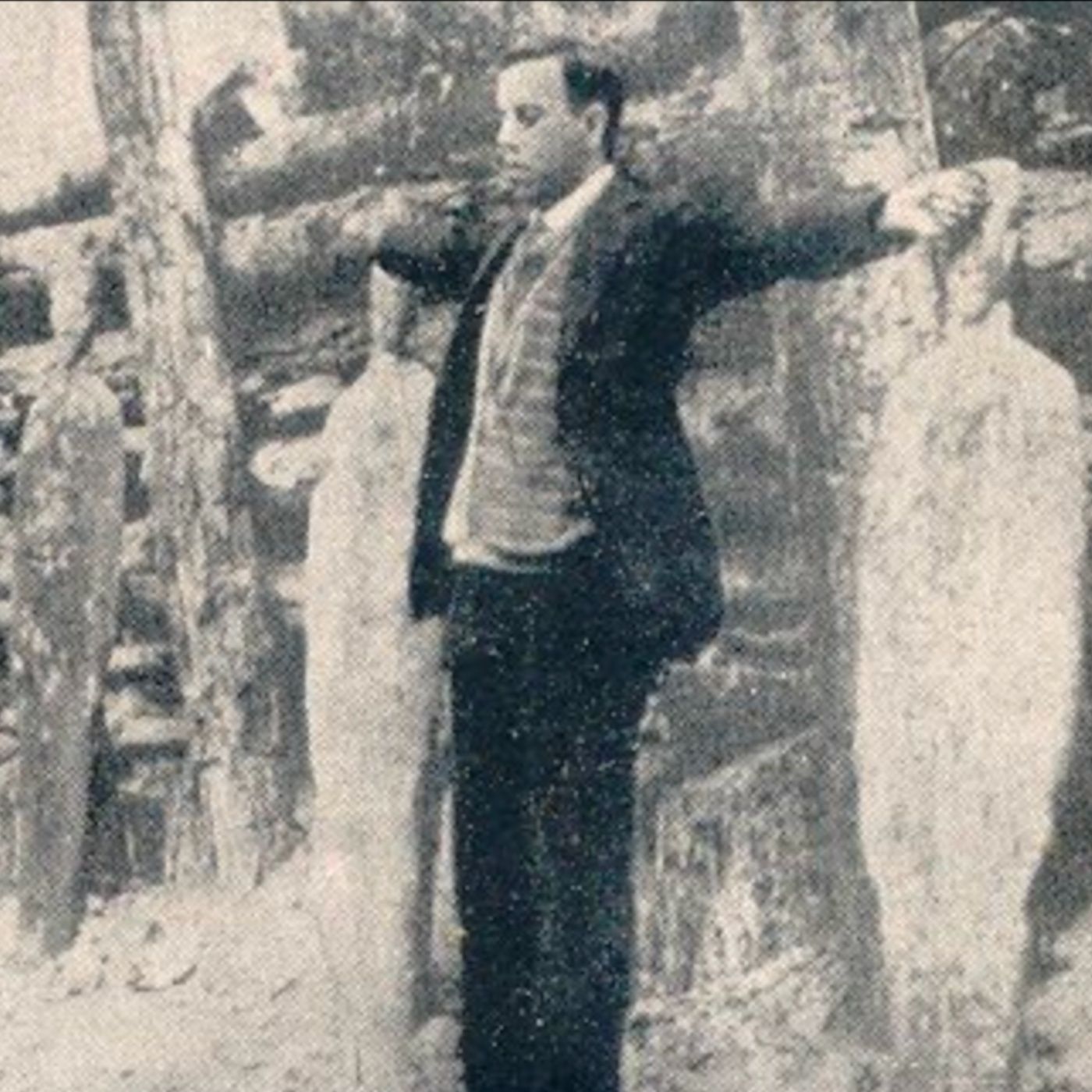
November 23: Blessed Miguel Agustín Pro, Priest and Martyr (U.S.A.)
Nov 23, 2026 · 7m
November 23: Blessed Miguel Agustín Pro, Priest and Martyr (U.S.A.)1891–1927Optional Memorial; Liturgical Color: RedThe proto-martyr of the age of the imageThe emaciated holocaust survivor behind...
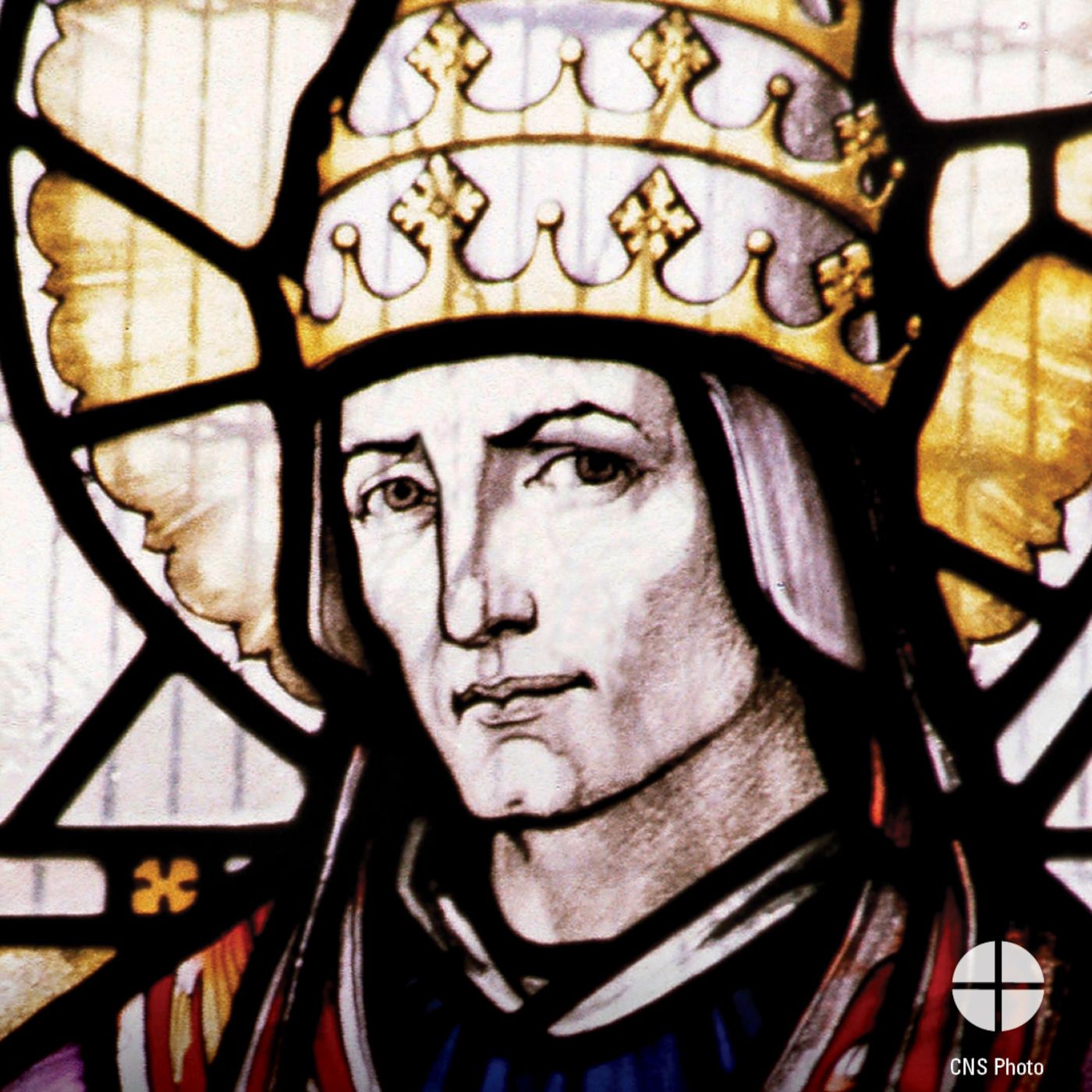
November 23: Saint Clement I, Pope and Martyr
Nov 23, 2026 · 6m
November 23: Saint Clement I, Pope and MartyrFirst CenturyOptional Memorial; Liturgical Color: RedPatron Saint of sailors and marble workersPrimacy more than infallibility, service more than...

November 23: Saint Columban, Abbot
Nov 23, 2026 · 5m
November 23: Saint Columban, Abbotc.543–615Optional Memorial; Liturgical Color: WhitePatron Saint of motorcyclists and against floodsHe led the first wave of Irish monks who stormed EuropeThroughout...
Take these sermons with you.
Follow Catholic Saints & Feasts in the Getsermons app to get every new sermon, build playlists, and pick up right where you left off.

