

Catholic Saints & Feasts
January 25: The Conversion of Saint Paul
Jan 25, 2026 · 4m
Prefer sermons downloaded automatically?
About this sermon
January 25: The Conversion of Saint Paul
First Century
Feast; Liturgical Color: White
Patron Saint of missionaries, evangelists, and writers
One man can change the world
In the long history of the Church, no conversion has been more consequential than Saint Paul’s. Paul had not been ambivalent toward the Church before he converted. He had actively persecuted it, even throwing rocks at the head of Saint Stephen, in all likelihood. But he changed, or God changed him, on one particular night. And on that night, Christianity changed too. And when the course of Christianity changed, the world changed. It is difficult to overemphasize the import of Saint Paul’s conversion.
One way to think about the significance of an event, whether big or small, is to consider what things would have been like if the event had never occurred. This is the premise behind the movie “It’s a Wonderful Life.” You compare actual life with a hypothetical “what if” alternative scenario. What if Saint Paul had remained a zealous Jew? What if he had never converted? Never wrote one letter? Never travelled the high seas on missionary voyages? It can safely be assumed that the world itself, not just the Church, would look different than it does today. Perhaps Christianity would have remained confined to Palestine for many more centuries before breaking out into wider Europe. Maybe Christianity would have taken a right turn instead of a left, and all of China and India would be as culturally Catholic as Europe is today. It’s impossible to say. But the global scale of the effects of Paul’s ministry speak to the significance of his conversion.
Some conversions are dramatic, some boring. Some are instantaneous, some gradual. Augustine heard a boy in a garden repeating, “Take and Read,” and knew the time had come. Saint Francis heard Christ say from the cross, “Rebuild My Church,” and responded with his life. Dr. Bernard Nathanson, the father of abortion in the United States, repudiated and repented of his life’s work and searched for a real Church to forgive his real sins. He ultimately bowed his head to receive the waters of baptism.
The details of Paul’s conversion are well known. He was, perhaps, thrown from his horse on the road to Damascus (except that Acts makes no mention of a horse). Maybe he just fell down while walking. While stunned on the ground, Paul heard the voice of Jesus ask: “Why are you persecuting me?”—not “Why are you persecuting my followers.” Jesus and the Church are clearly one. To persecute the Church is to persecute Christ. Jesus is the head, and the Church is His body. Paul did not convert to loving Jesus while saying that the Church was just an accidental human construct that blocked him from the Lord. No, of course not! He believed what right-minded Catholics have believed for centuries and still believe today. To love Jesus is to love the Church, and vice versa. It is impossible to love the Lord while disregarding the historical reality of how the Lord is communicated to us. The Church is not just a vehicle to carry God’s revelation. The Church is as much a part of God’s revelation as Scripture.
Paul’s conversion teaches us that when Jesus comes to us, He doesn’t come alone. He comes with His angels, saints, priests, and bishops. He comes with Mary, the sacraments, doctrine, and devotions. He comes with the Church, because He and the Church are one. And when we go to the Lord, we don’t go alone either. We go as members of a Church into whose mystical body we were baptized. Thus Saint Paul heard from God Himself, and thus we believe today.
Saint Paul, we ask your openness to conversion when we hear the Lord speak to us as He spoke to you. Assist us in responding with great faith to every invitation we receive to love the Lord more fully, to know Him more deeply, and to spread His word more broadly to those who need it.
More from Catholic Saints & Feasts

4th Thursday in November: Thanksgiving Day (U.S.A.)
Nov 26, 2026 · 6m
Fourth Thursday in November: Thanksgiving Day (U.S.A.) Optional Memorial; Liturgical Color: White Life is a gift replete with countless gifts It’s 1542, and the Spanish Franciscan Juan de Padilla, a...
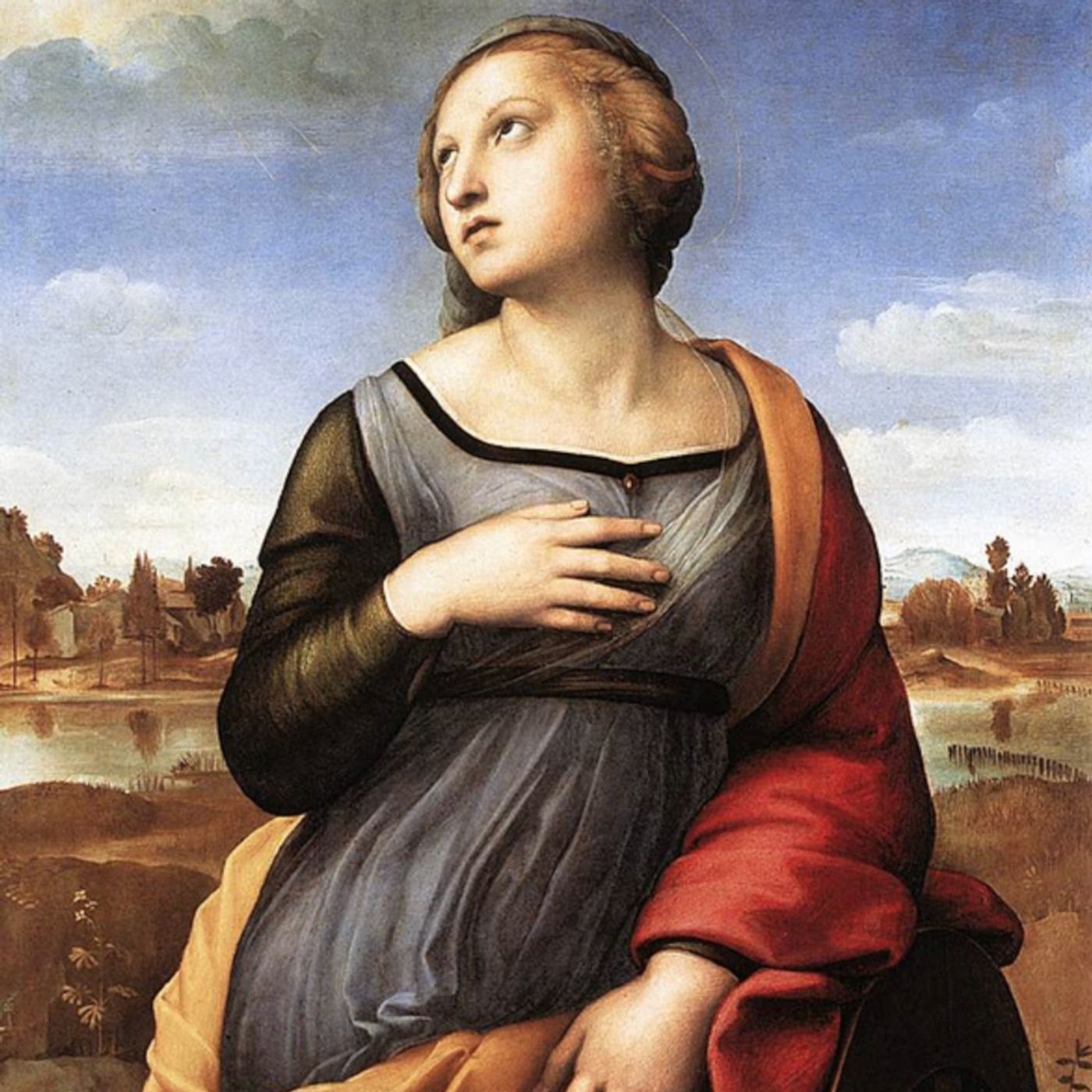
November 25: Saint Catherine of Alexandria, Virgin and Martyr
Nov 25, 2026 · 6m
November 25: Saint Catherine of Alexandria, Virgin and Martyrc. Late third–early fourth centuriesOptional Memorial; Liturgical Color: RedPatron Saint of philosophers, apologists, and all who work with...
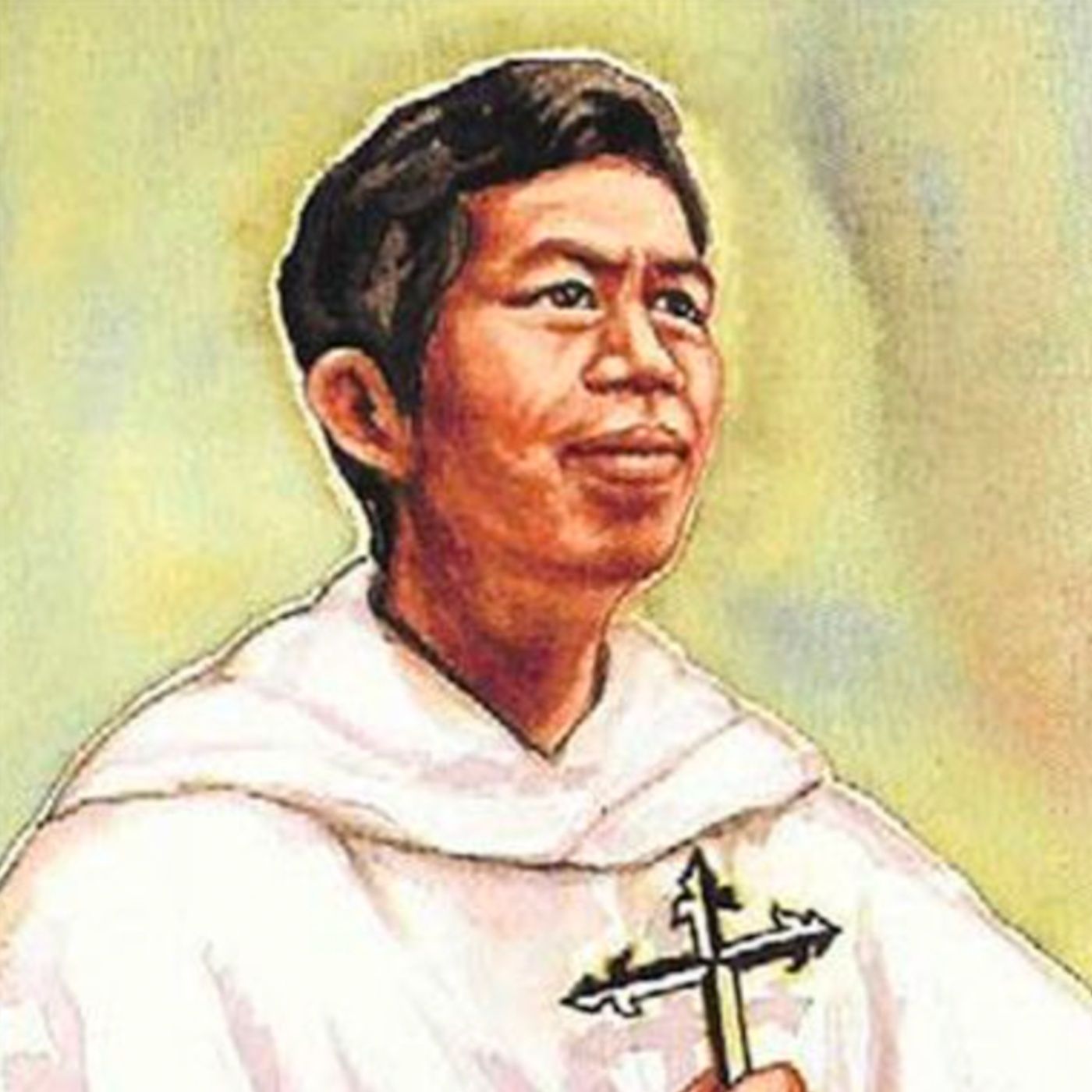
November 24: Saint Andrew Dũng-Lac, Priest, and Companions, Martyrs
Nov 24, 2026 · 6m
November 24: Saint Andrew Dũng-Lac, Priest, and Companions, Martyrs1795–1839; Seventeenth–Nineteenth CenturiesMemorial; Liturgical Color: RedPatron Saints of VietnamThousands of priests and converts...
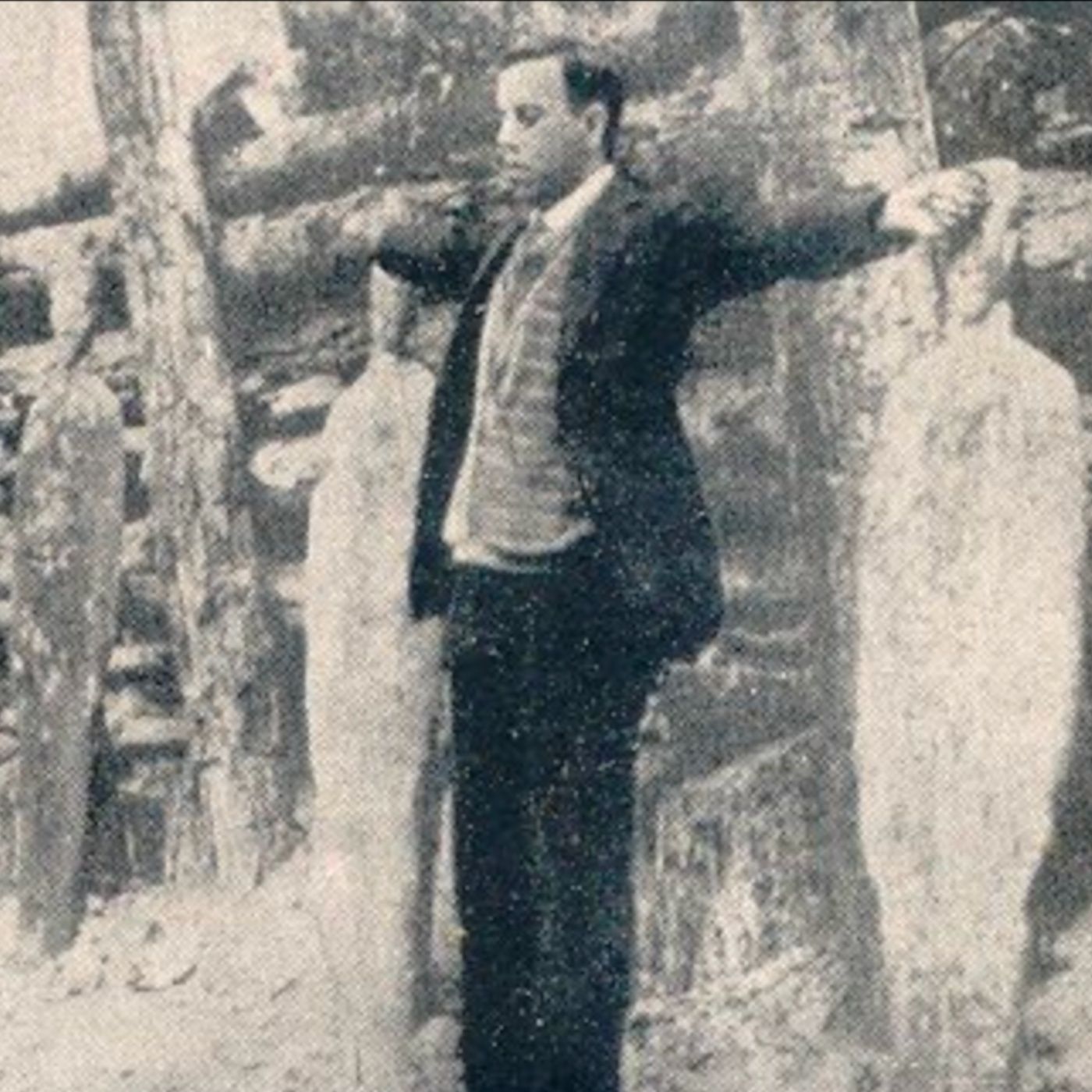
November 23: Blessed Miguel Agustín Pro, Priest and Martyr (U.S.A.)
Nov 23, 2026 · 7m
November 23: Blessed Miguel Agustín Pro, Priest and Martyr (U.S.A.)1891–1927Optional Memorial; Liturgical Color: RedThe proto-martyr of the age of the imageThe emaciated holocaust survivor behind...
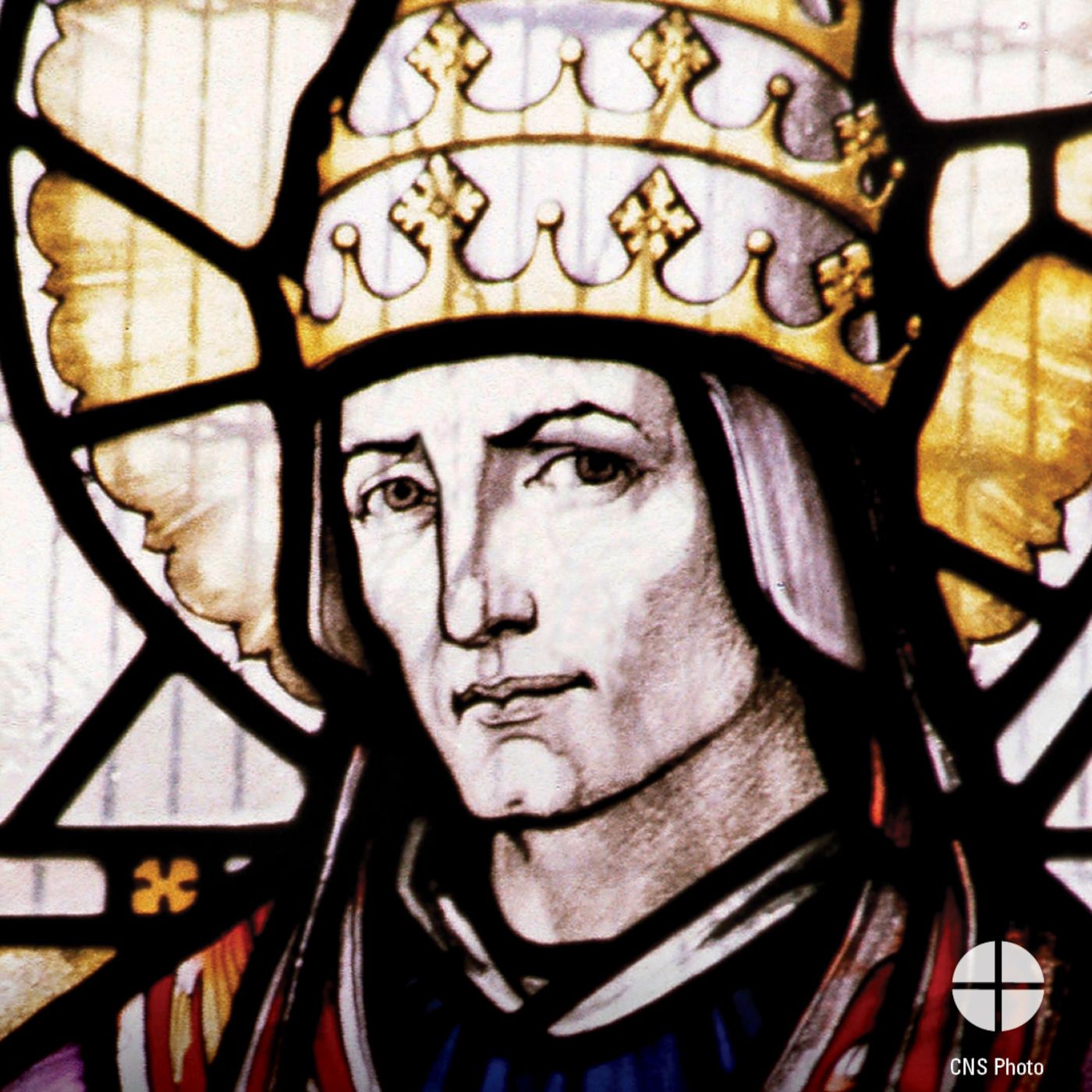
November 23: Saint Clement I, Pope and Martyr
Nov 23, 2026 · 6m
November 23: Saint Clement I, Pope and MartyrFirst CenturyOptional Memorial; Liturgical Color: RedPatron Saint of sailors and marble workersPrimacy more than infallibility, service more than...

November 23: Saint Columban, Abbot
Nov 23, 2026 · 5m
November 23: Saint Columban, Abbotc.543–615Optional Memorial; Liturgical Color: WhitePatron Saint of motorcyclists and against floodsHe led the first wave of Irish monks who stormed EuropeThroughout...
Take these sermons with you.
Follow Catholic Saints & Feasts in the Getsermons app to get every new sermon, build playlists, and pick up right where you left off.

