

Catholic Saints & Feasts
January 28: Saint Thomas Aquinas, Priest and Doctor
Jan 28, 2026 · 5m
Prefer sermons downloaded automatically?
About this sermon
January 28: Saint Thomas Aquinas, Priest and Doctor
1225–1274
Memorial; Liturgical Color: White
Patron Saint of universities and students
A theological Grand Master, he positioned every piece exquisitely on the chessboard
The silhouette of Saint Thomas Aquinas hovers like a giant on the highest summit of human thought, casting so wide and deep a shadow over the landscape that all subsequent thinkers labor on the shady slopes below him. It is fair to say that Thomism, the thinking method and intellectual conclusions of Saint Thomas, has been the Catholic Church’s standard theology since he lived in the thirteenth century.
Saint Thomas understood that all thinking about God is done from inside original sin and within the parameters of human intellectual capacity. The uncreated, timeless, mysterious God, then, is by definition incomprehensible to creatures trapped in time, space, matter, sin, distraction, and confusion. God is outside of the universe, rather than being just one important ingredient in the recipe of reality. This essential “otherness” of God means that His presence is not completely accessible to the senses. It is not just a question of seeing farther, understanding more deeply, hearing more acutely, or feeling more intensely. Twenty senses instead of five would still not be enough to capture God, because He transcends all other forms of being known to us. In the 1950s, a Russian cosmonaut looked out over space from his orbit miles above the earth and declared "I have found no God." He was looking for something that wasn’t there and answering a question that was poorly posed.
Sometimes God is described as the highest being in an immense hierarchy of beings. From this perspective, the tiniest specks of organic or inorganic life, up and onward through plant and animal life, mankind, the planets and the solar system itself, are all beneath and owe their creation to the super being of God Himself. In this “ladder-of-existence” understanding, every being is a rung leading to higher and higher rungs at the top of which stands God.
Such an understanding of God is inaccurate, Aquinas would hold. God is not the highest of all beings but Being itself. Every person at one time did not exist. Creation itself, including mankind, is created, meaning at some point it was not. But God cannot not be. For Saint Thomas, God’s essential action is to exist. It is intrinsic to His nature as God. God, then, is not something in the air but the air itself. He is not the biggest whale in the ocean. He is the water. This means that there is no strict need to provide scientific evidence for God, because even asking the question presumes the reality all around us. Science, for example, can explain the chemical composition of ink, but it has nothing to say about the meaning of words printed in ink. Science clearly has limits.
Thomism’s understanding of God as non-contingent being, which makes all dependent existence possible, is intellectually sophisticated and also deeply attractive. This understanding of God meshes nicely with an appreciation for the natural beauty of the earth, love of art, and charity for our fellow man, while also allowing space for God to reveal Himself more fully, and gratuitously, in the person of His Son Jesus Christ. Importantly, it also avoids confusing God’s creation with God Himself.
Saint Thomas’s encyclopedic knowledge and massive erudition existed harmoniously with a humble nature and a simple, traditional Catholic piety. He was a well-balanced man and a dedicated Dominican priest. This synthesis of childlike wonder and deep inquiry marked his life. After having a mystical vision of Jesus Christ on the cross while praying after Mass one day, Saint Thomas abandoned any further writing. He died on his way to the Second Council of Lyon in 1274, not yet fifty years old. He is buried in Toulouse, France, retaining his status as the Church’s most eminent theologian.
Saint Thomas, your life of the mind co-existed with a deep piety. Your writings defend the faith of those who have neither the time nor the gift for higher study. Help all those who teach in the Church to follow your example of humble and faithful inquiry into the highest truths.
More from Catholic Saints & Feasts

4th Thursday in November: Thanksgiving Day (U.S.A.)
Nov 26, 2026 · 6m
Fourth Thursday in November: Thanksgiving Day (U.S.A.) Optional Memorial; Liturgical Color: White Life is a gift replete with countless gifts It’s 1542, and the Spanish Franciscan Juan de Padilla, a...
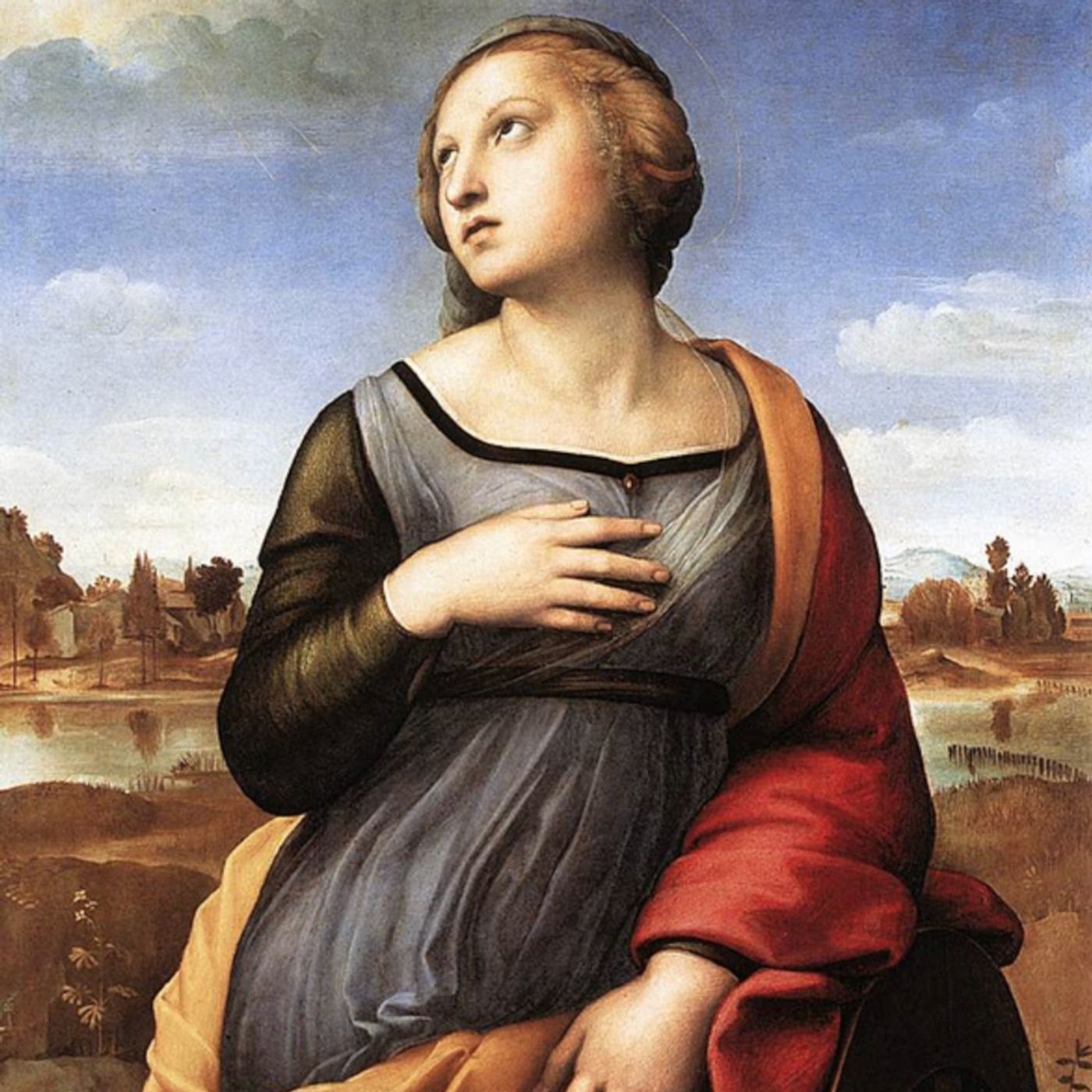
November 25: Saint Catherine of Alexandria, Virgin and Martyr
Nov 25, 2026 · 6m
November 25: Saint Catherine of Alexandria, Virgin and Martyrc. Late third–early fourth centuriesOptional Memorial; Liturgical Color: RedPatron Saint of philosophers, apologists, and all who work with...
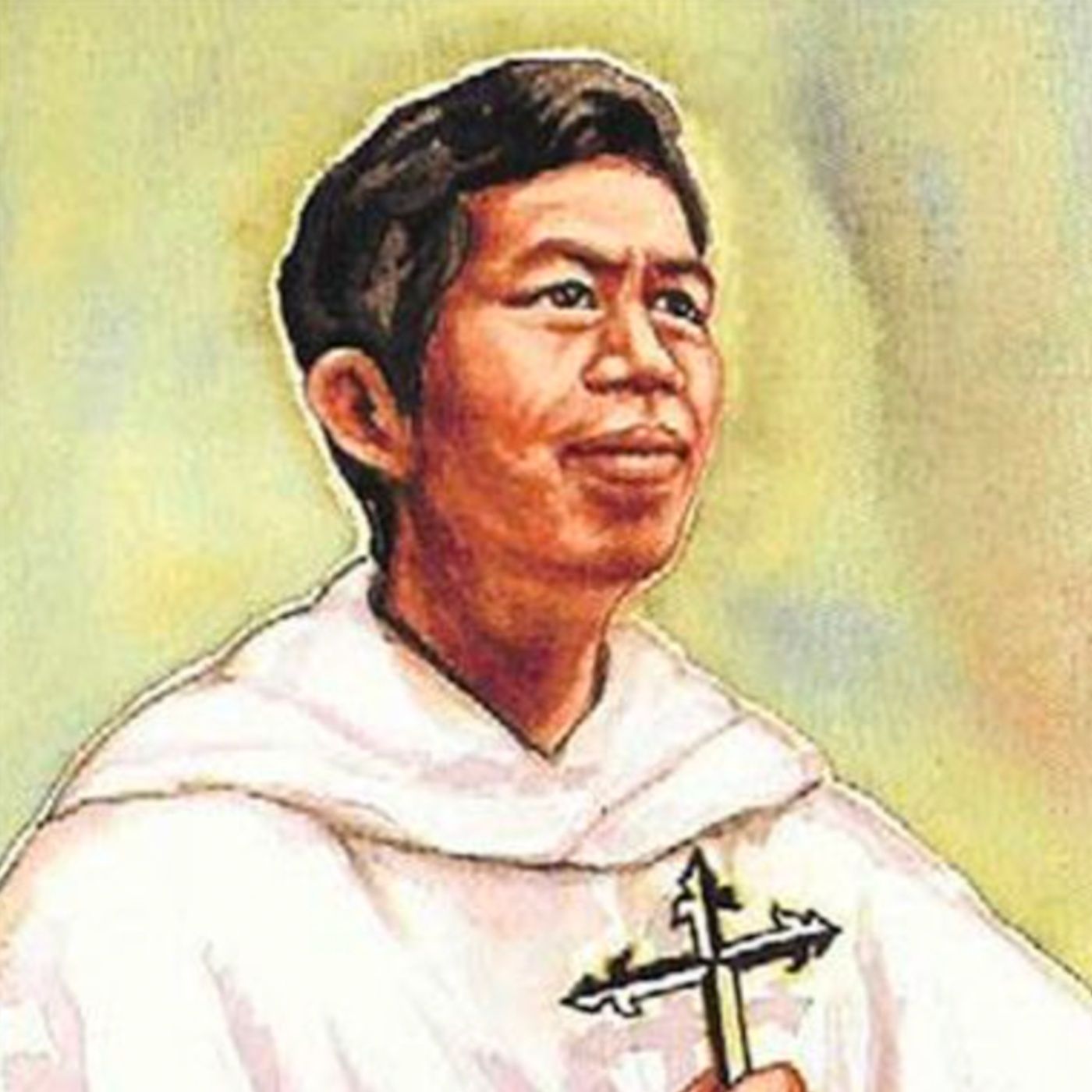
November 24: Saint Andrew Dũng-Lac, Priest, and Companions, Martyrs
Nov 24, 2026 · 6m
November 24: Saint Andrew Dũng-Lac, Priest, and Companions, Martyrs1795–1839; Seventeenth–Nineteenth CenturiesMemorial; Liturgical Color: RedPatron Saints of VietnamThousands of priests and converts...
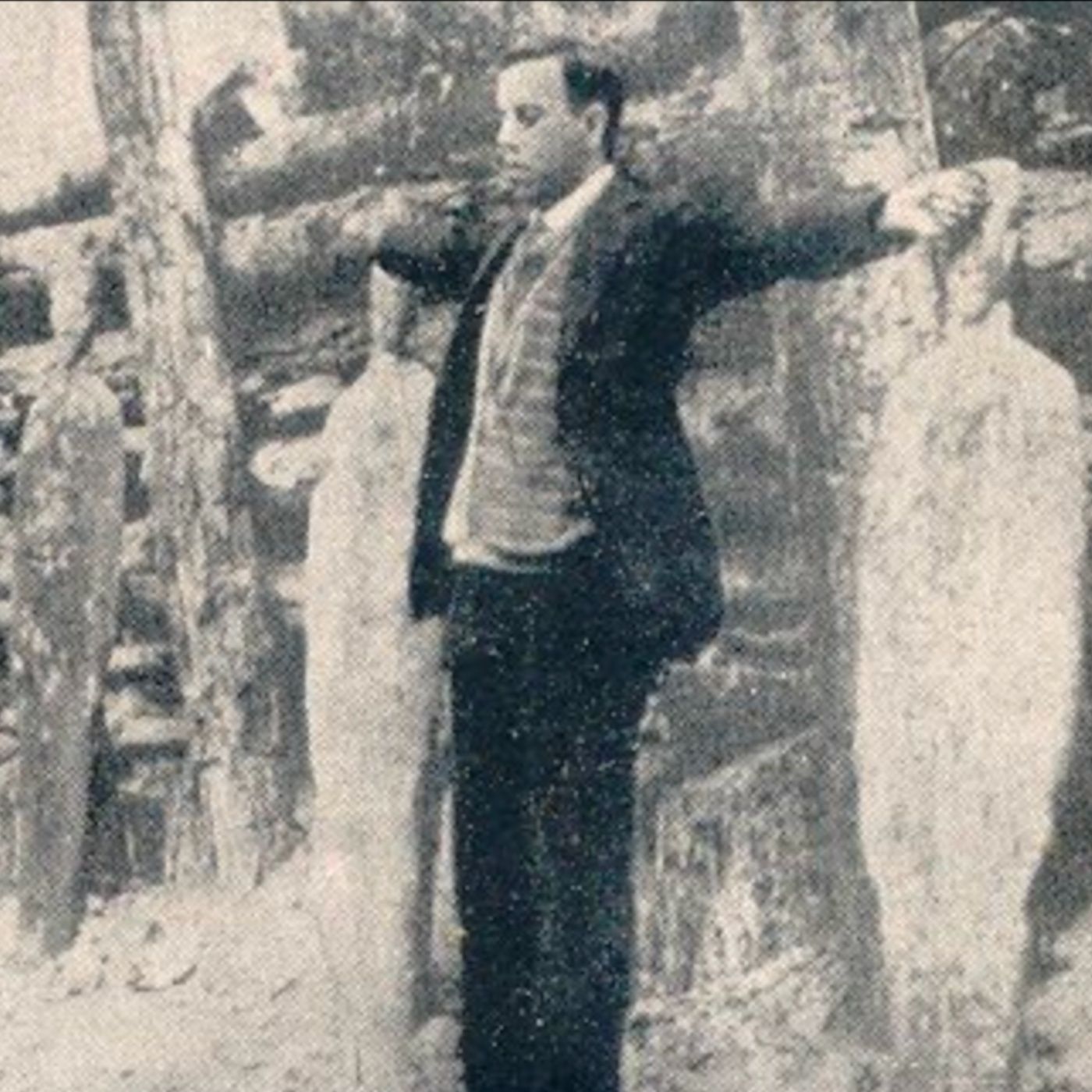
November 23: Blessed Miguel Agustín Pro, Priest and Martyr (U.S.A.)
Nov 23, 2026 · 7m
November 23: Blessed Miguel Agustín Pro, Priest and Martyr (U.S.A.)1891–1927Optional Memorial; Liturgical Color: RedThe proto-martyr of the age of the imageThe emaciated holocaust survivor behind...
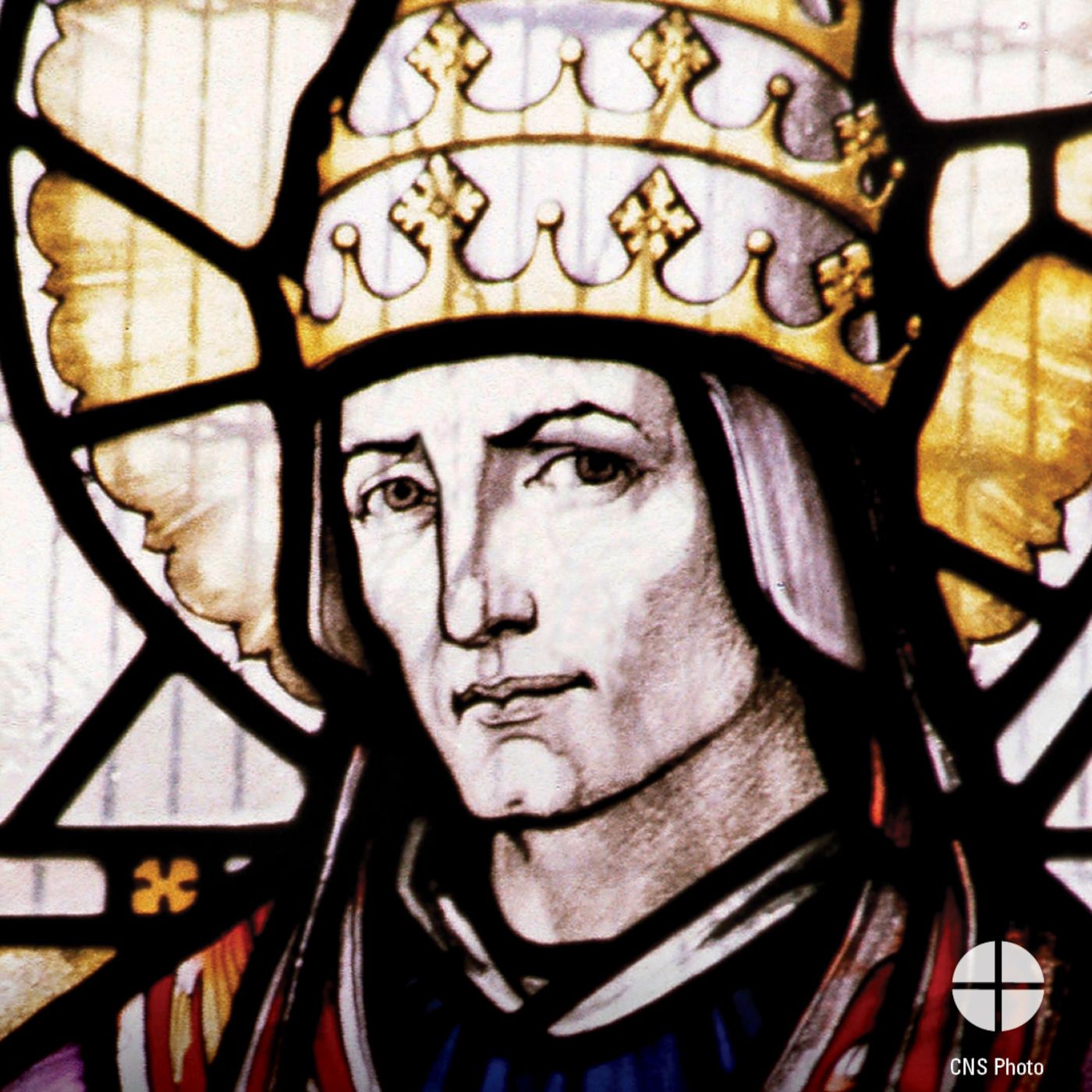
November 23: Saint Clement I, Pope and Martyr
Nov 23, 2026 · 6m
November 23: Saint Clement I, Pope and MartyrFirst CenturyOptional Memorial; Liturgical Color: RedPatron Saint of sailors and marble workersPrimacy more than infallibility, service more than...

November 23: Saint Columban, Abbot
Nov 23, 2026 · 5m
November 23: Saint Columban, Abbotc.543–615Optional Memorial; Liturgical Color: WhitePatron Saint of motorcyclists and against floodsHe led the first wave of Irish monks who stormed EuropeThroughout...
Take these sermons with you.
Follow Catholic Saints & Feasts in the Getsermons app to get every new sermon, build playlists, and pick up right where you left off.

