

Catholic Saints & Feasts
January 3: The Most Holy Name of Jesus
Jan 3, 2026 · 5m
Prefer sermons downloaded automatically?
About this sermon
January 3: The Most Holy Name of Jesus
Optional Memorial; Liturgical Color: White
Names are powerful, and none is more powerful than Jesus
Mary and Joseph did not sit across from each other at the kitchen table in the evenings debating a name for their child. They didn’t flip through the pages of a book of saints or bounce ideas off of their friends and family. The baby’s name was chosen for them by God Himself. They were just taking orders. The Archangel Gabriel announced to Mary, “And now, you will conceive in your womb and bear a son, and you will name him Jesus” (Lk 1:31). And Joseph had a dream in which the angel told him, "...you are to name him Jesus, for he will save his people from their sins" (Mt 1:21). The Gospel of Luke further relates that “After eight days had passed, it was time to circumcise the child; and he was called Jesus, the name given by the angel before he was conceived in the womb" (Lk 2:21). Jesus was named eight days after Christmas, January 3.
The New Testament is filled with incidents where the name of Jesus is invoked to drive out devils, cure illnesses, and perform miracles. The Holy Name is explicitly exalted by Saint Paul: "...at the name of Jesus every knee should bend, in heaven and on earth and under the earth" (Phil 2:10). Jesus reinforces the power of His own name in St. John’s Gospel: "...if you ask anything of the Father in my name, he will give it to you" (Jn 16:23).
“Jesus” was the given name of the Son of Mary, while “Christ” was a title. “Christ” is the Greek form of the Hebrew “Messiah,” meaning the “Anointed One.” “Jesus the Christ” was the original formula for describing the Son of Mary. But over time, “The Christ” became simply “Christ,” as if it were His last name. The name of the God of the Old Testament was holy, not to be written out, nor to be casually spoken. Invoking “Yahweh” could be so egregious a sin as to provoke the tearing of the hearer’s shirt in protest and repentance. Jewish law on God’s holy name is enshrined in the second commandment: “Thou shalt not take the name of the Lord Thy God in vain.” This commandment prohibited the swearing of false oaths, that is, calling upon God as your witness and then making false statements. The opposite of a solemn oath is invoking the name of God to damn someone or something: a curse—the inversion of a blessing.
Saint Bernardine of Siena, an electrifying Franciscan preacher of the early fifteenth century, was the saint who most spread devotion to the Holy Name of Jesus. He ingeniously depicted the Holy Name with the well-known monogram “IHS,” derived from the Greek letters forming the word “Jesus.” In the sixteenth century, the Jesuits built on this tradition and utilized the “IHS” to embellish their churches, even making it the emblem of their Society. The mother church of all Jesuit churches, in Rome, is officially named in honor of the Most Holy Name of Jesus, although its name is commonly shortened to simply “The Jesus.”
There is raw power in the name Jesus. It makes polite company cringe. It divides families. It floats across the dinner table, letting everyone know exactly where you stand. A comfortable, vague euphemism like “the man upstairs” or “the big guy” just won’t do. “Jesus” does not convey an idea that everyone can interpret as they wish. It’s someone’s name. And that someone taught, suffered, died, rose from the dead, ascended into heaven, and is seated at the right hand of the Father in heaven.
Some people don’t like their names and seek to legally change them or to use a nickname instead. Names convey meanings. “Thor” sounds like a mythical god carrying a hammer, “Vesuvius” sounds like a boiling volcano about to erupt, and a “ziggurat” sounds like a zig-zaggy desert temple. The name “Jesus” sounds like a God-man beyond reproach. A child, when once asked to define love, said that “when someone loves you, the way they say your name is different. Your name is safe in their mouth.” The Holy Name of Jesus should be safe in our mouths even when we’re not receiving Holy Communion.
Son of Mary, may our same tongues that receive Your Holy Body and Blood prepare themselves for Your visit by saying Your Holy Name with great reverence. And may we not refrain from invoking that same Holy Name in our daily conversations with all whom we meet.
More from Catholic Saints & Feasts

4th Thursday in November: Thanksgiving Day (U.S.A.)
Nov 26, 2026 · 6m
Fourth Thursday in November: Thanksgiving Day (U.S.A.) Optional Memorial; Liturgical Color: White Life is a gift replete with countless gifts It’s 1542, and the Spanish Franciscan Juan de Padilla, a...
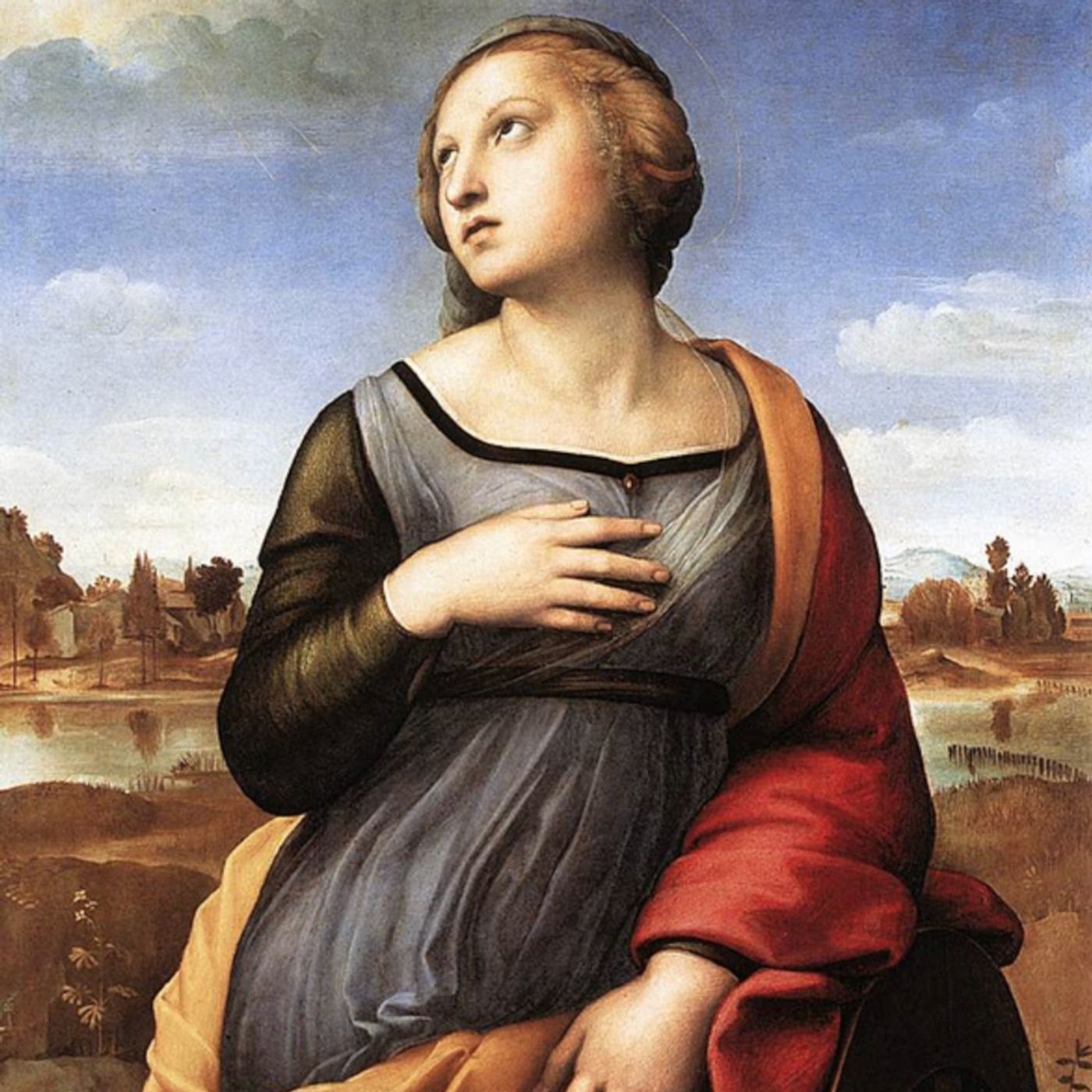
November 25: Saint Catherine of Alexandria, Virgin and Martyr
Nov 25, 2026 · 6m
November 25: Saint Catherine of Alexandria, Virgin and Martyrc. Late third–early fourth centuriesOptional Memorial; Liturgical Color: RedPatron Saint of philosophers, apologists, and all who work with...
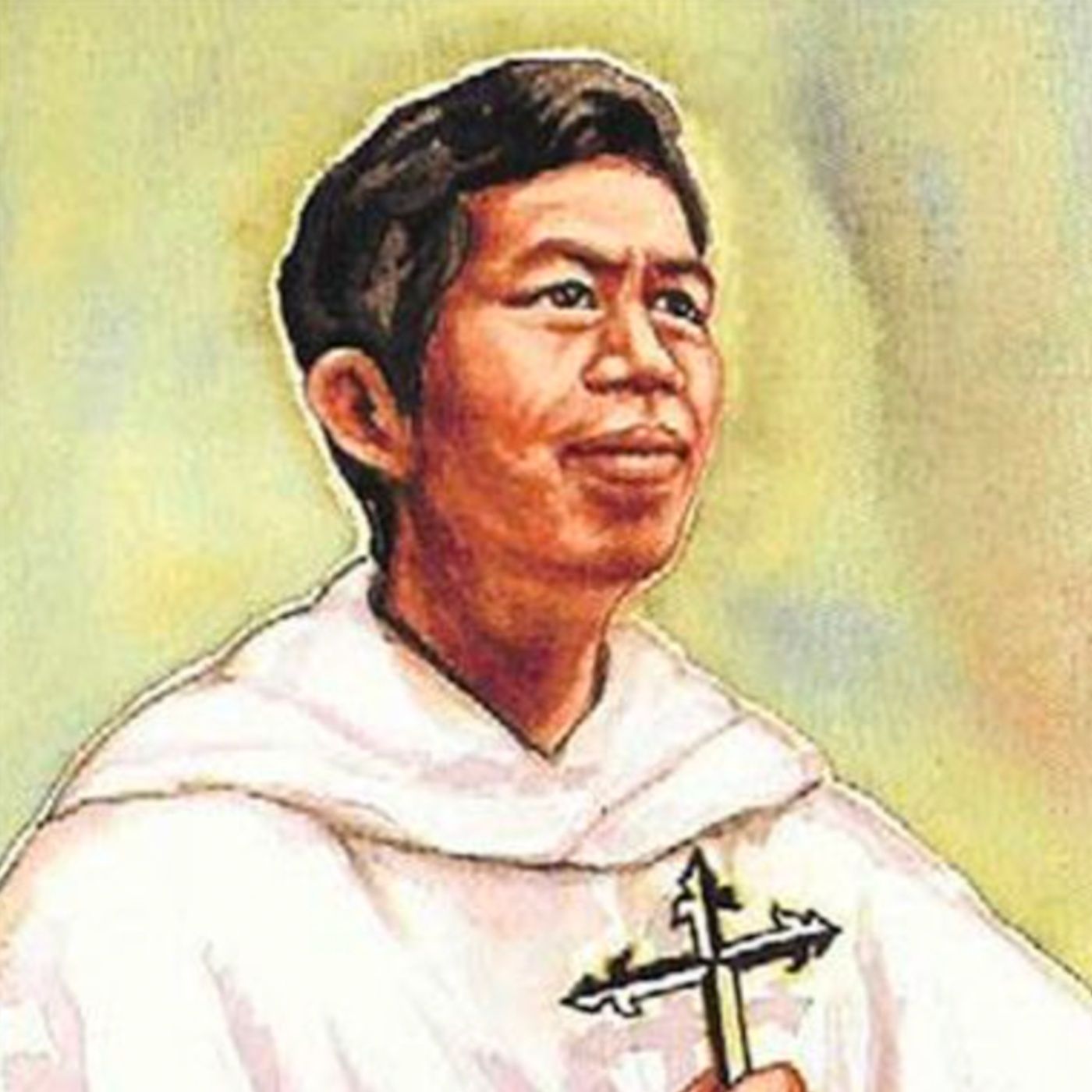
November 24: Saint Andrew Dũng-Lac, Priest, and Companions, Martyrs
Nov 24, 2026 · 6m
November 24: Saint Andrew Dũng-Lac, Priest, and Companions, Martyrs1795–1839; Seventeenth–Nineteenth CenturiesMemorial; Liturgical Color: RedPatron Saints of VietnamThousands of priests and converts...
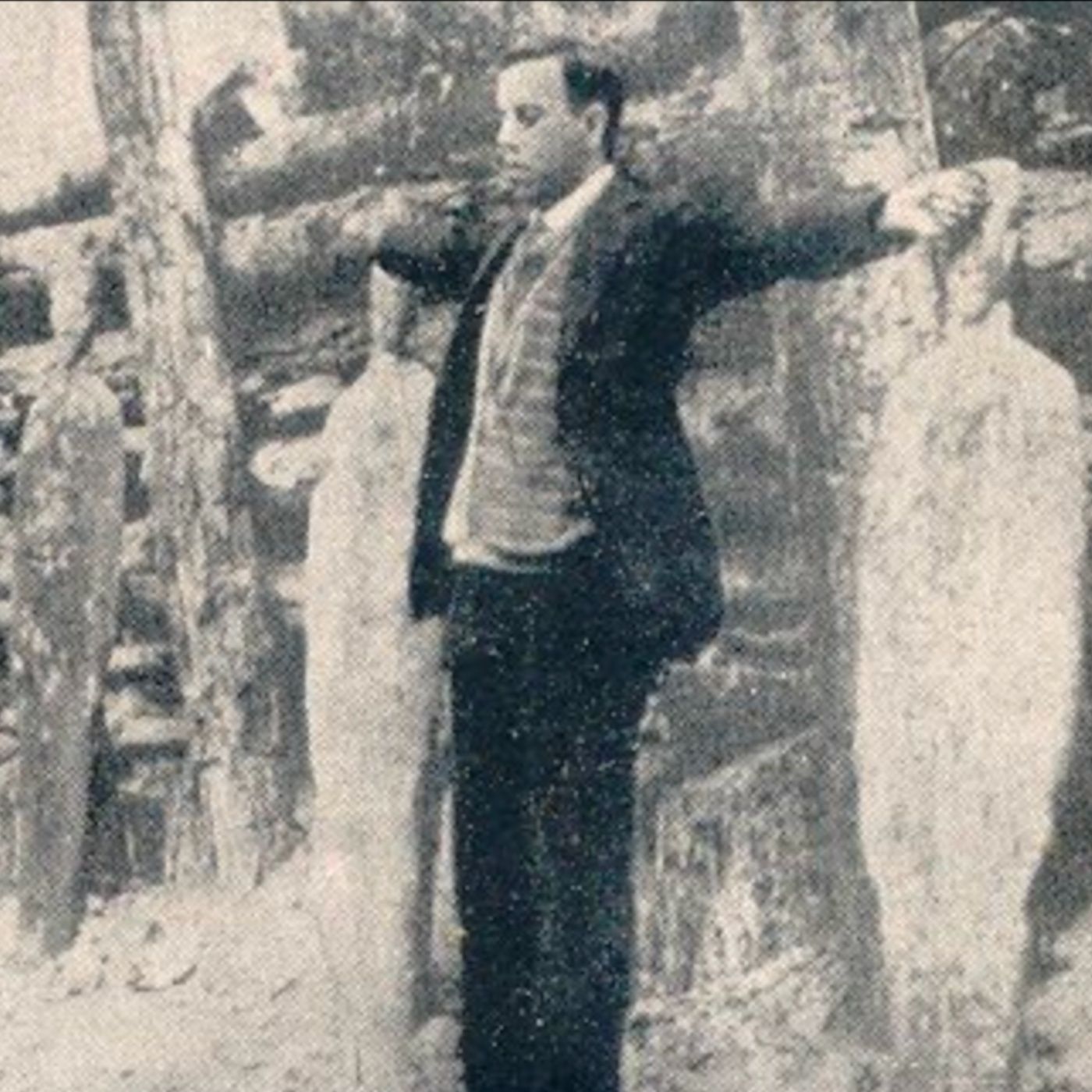
November 23: Blessed Miguel Agustín Pro, Priest and Martyr (U.S.A.)
Nov 23, 2026 · 7m
November 23: Blessed Miguel Agustín Pro, Priest and Martyr (U.S.A.)1891–1927Optional Memorial; Liturgical Color: RedThe proto-martyr of the age of the imageThe emaciated holocaust survivor behind...
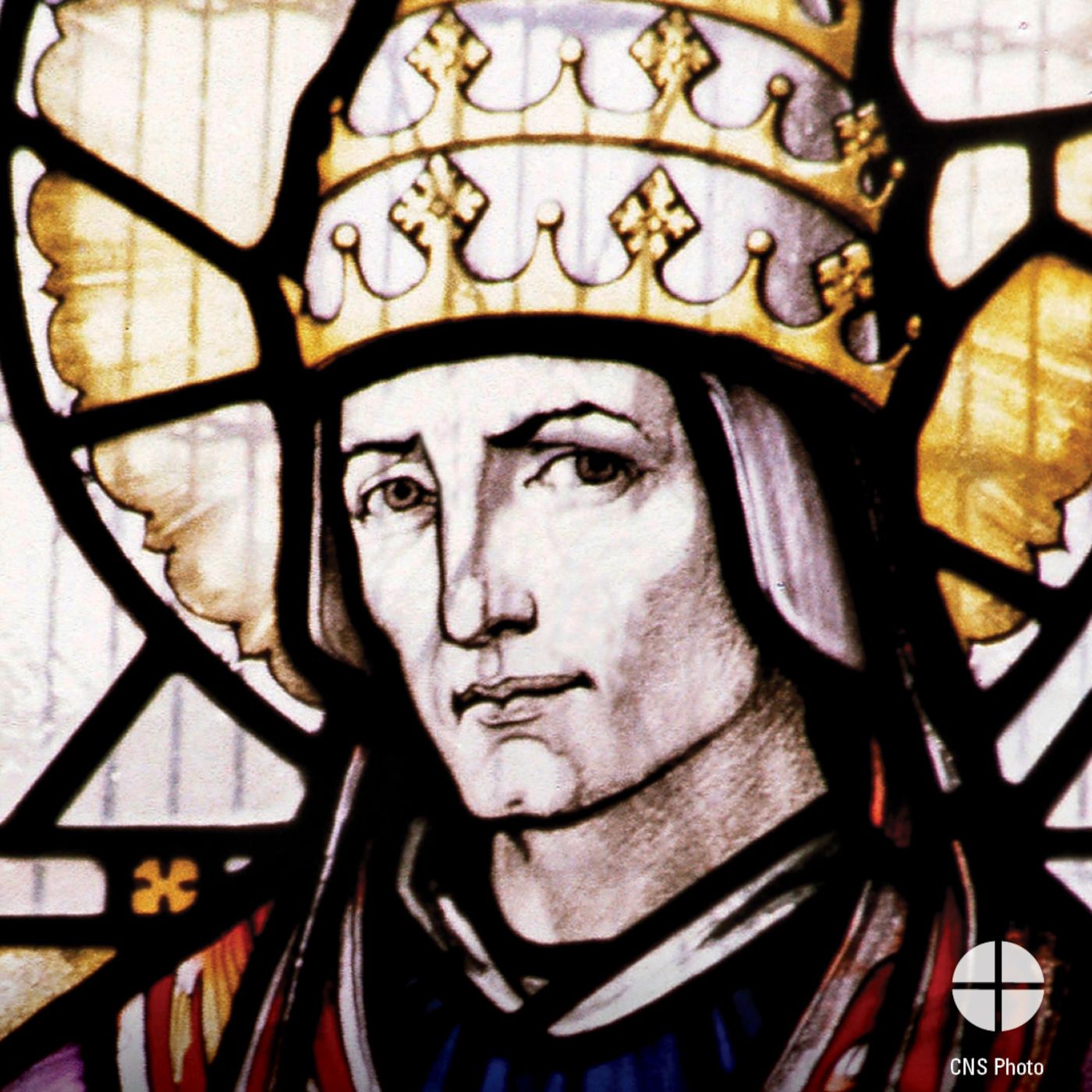
November 23: Saint Clement I, Pope and Martyr
Nov 23, 2026 · 6m
November 23: Saint Clement I, Pope and MartyrFirst CenturyOptional Memorial; Liturgical Color: RedPatron Saint of sailors and marble workersPrimacy more than infallibility, service more than...

November 23: Saint Columban, Abbot
Nov 23, 2026 · 5m
November 23: Saint Columban, Abbotc.543–615Optional Memorial; Liturgical Color: WhitePatron Saint of motorcyclists and against floodsHe led the first wave of Irish monks who stormed EuropeThroughout...
Take these sermons with you.
Follow Catholic Saints & Feasts in the Getsermons app to get every new sermon, build playlists, and pick up right where you left off.

