
Catholic Saints & Feasts
July 3: Saint Thomas the Apostle
Jul 2, 2026 · 5m
Prefer sermons downloaded automatically?
About this sermon
July 3: Saint Thomas the Apostle
First Century
Feast; Liturgical Color: Red
Patron Saint of doubters and architects
‘Perhaps’ - the crack in the unbeliever’s wall of certainty
All unbelievers have a type of faith. They firmly believe in God’s non-existence and in the weakness, not wisdom, of trusting in a reality greater than oneself. Atheism is a belief system, though its object of faith is obviously not God but other sacrosanct, secular “doctrines.” Yet the unbeliever’s secular faith, just like every believer’s, is continually tempted by doubt. The unbeliever, whether fixated on a friend’s lifeless body in a coffin, dumbstruck while gazing at the vastness of the sea, or just when lying in the dark of night, wonders if he has everything figured out. Although he shows a brave front, the unbeliever secretly doubts. He is not certain. He is threatened. There is always the great “perhaps.” Perhaps, just perhaps…the believer is…right. The atheist is under constant assault from faith, primarily from inside himself. Only when trying to quit religion does he realize, painfully, that the drama of being a man cannot be avoided. He exchanges the uncertainty of belief for the uncertainty of unbelief.
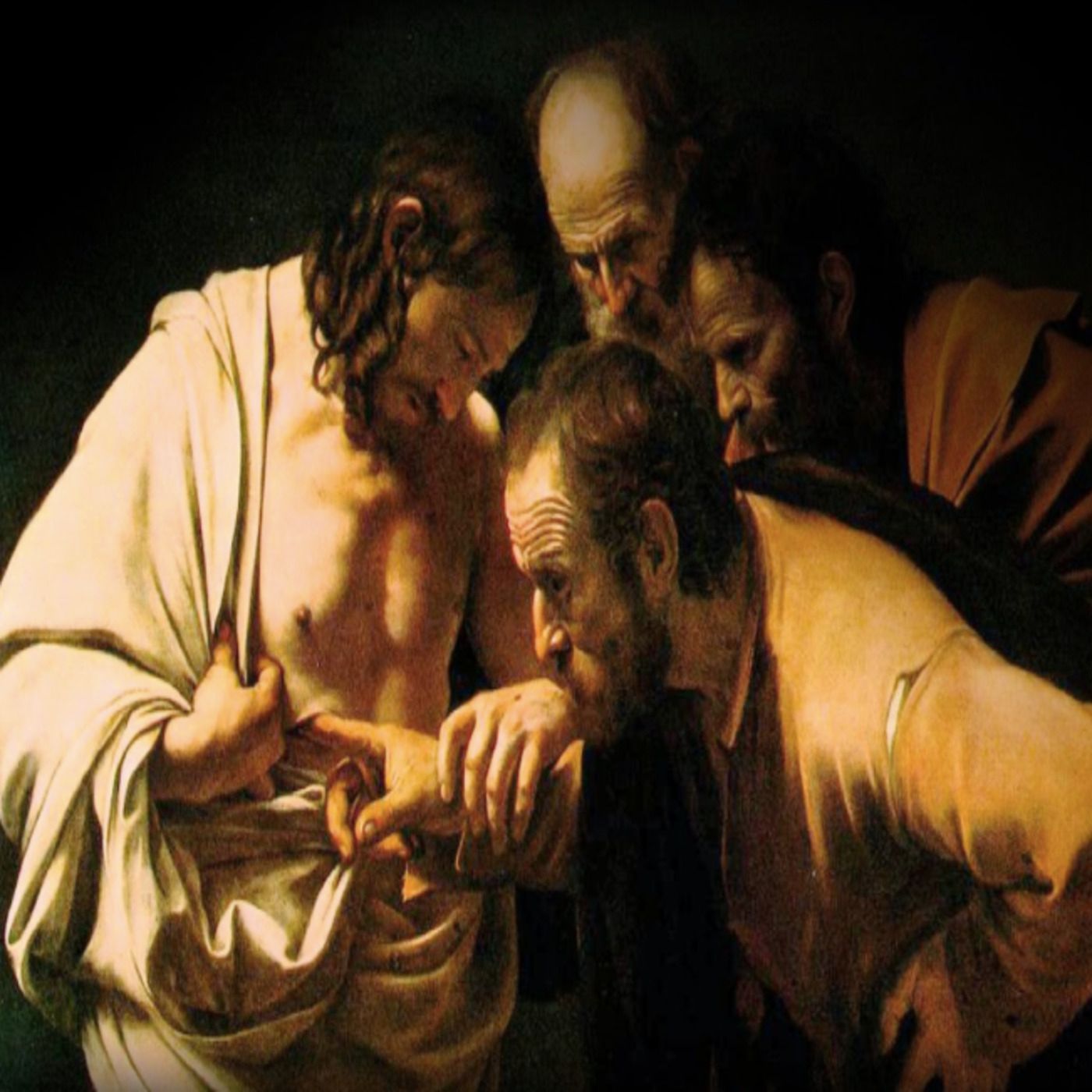
Today’s saint, known as “Doubting Thomas,” is Christianity’s icon of doubt. He loves, serves, and follows the Lord. Upon hearing of the death of Lazarus, Christ decides to go to Judea, where He had previously come under attack. The Apostles are concerned for Christ’s safety, but Thomas supports Him, saying, “Let us also go, that we may die with him” (Jn 11:16). Thomas is strong and generous. But he is also a man, so he does what men do—he doubts. Christ’s crucifixion was a searing experience for His Apostles, and Thomas doubts that one so cruelly and publicly murdered could be alive. He is told by his co-Apostles that the Lord is risen and has appeared to them. Yet still Thomas doubts. He will only believe if he can place his hands in Christ’s very wounds.
To satisfy his skepticism, Thomas joins the others and waits patiently on the Sunday after Easter. The risen Lord appears again in the same place. “Peace be with you,” He says to all. And then to Thomas himself, “Put your finger here and see my hands...Do not doubt but believe.” “My Lord and my God!” is all the flabbergasted Thomas can muster in response (Jn 20:24–29). Thomas’ simple declaration of faith—“My Lord and my God!”—is whispered by millions of faithful at the consecration at Mass, words of faith forged from the anvil of doubt.
Doubt is often the starting point, the context, and the invitation to faith for so many modern doubting Thomases. Yet true doubting leads to true searching. And a true search is not perennially open-ended but risks finding what is sought. Saint Thomas’ doubt, his moment of weakness, served a higher purpose when Thomas found what he was looking for. The Son of God said “...the kingdom of heaven is like a merchant in search of fine pearls…” (Mt 13:45) and “The kingdom of God is as if someone would scatter seed on the ground…and the seed would sprout and grow, he does not know how” (Mk 4:26–27). The kingdom is not the fine pearl. The kingdom is the merchant in search of fine pearls. The kingdom is not the seed. It is the man scattering the seed. The search, the scattering, the effort, the struggle, the journey. These are often the first stages of finding God. Honest, authentic inquiry is god-like. Every legitimate search presupposes, after all, that there is something, or someone, to find.
Doubt is the plow that opens the furrow where the seed of faith can fall and germinate. Saint Thomas the Apostle is our guide and patron in understanding how doubt sparks faith. Being absent, he heard. Hearing, he doubted. Doubting, he came. Coming, he touched. Touching, he believed. And believing, he served.
Saint Thomas, help all who struggle with belief in God. Through your example and intercession, assist all those overwhelmed by distractions and doubts to come to a well-informed trust in the Father and Lord of all.
More from Catholic Saints & Feasts

4th Thursday in November: Thanksgiving Day (U.S.A.)
Nov 26, 2026 · 6m
Fourth Thursday in November: Thanksgiving Day (U.S.A.) Optional Memorial; Liturgical Color: White Life is a gift replete with countless gifts It’s 1542, and the Spanish Franciscan Juan de Padilla, a...
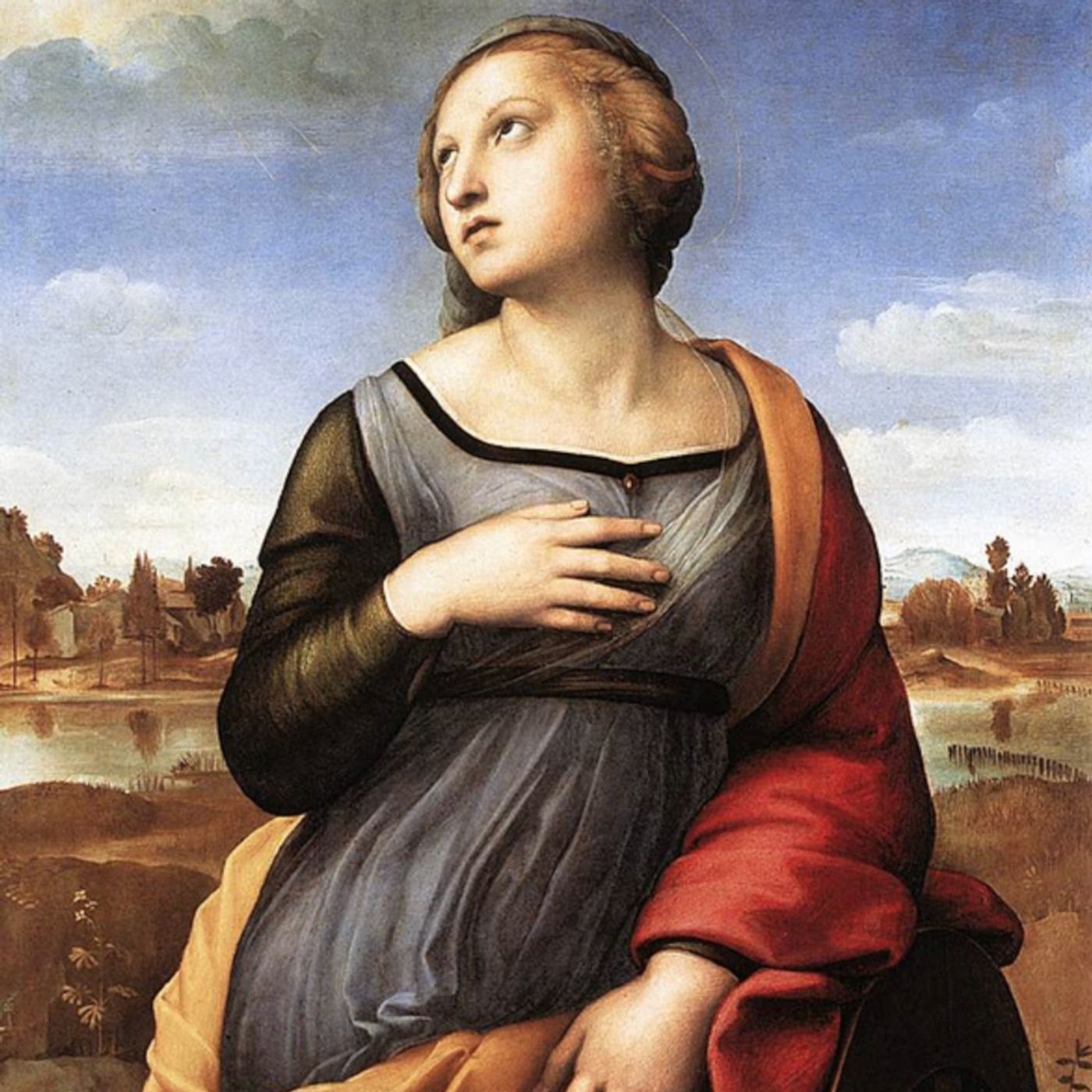
November 25: Saint Catherine of Alexandria, Virgin and Martyr
Nov 25, 2026 · 6m
November 25: Saint Catherine of Alexandria, Virgin and Martyrc. Late third–early fourth centuriesOptional Memorial; Liturgical Color: RedPatron Saint of philosophers, apologists, and all who work with...
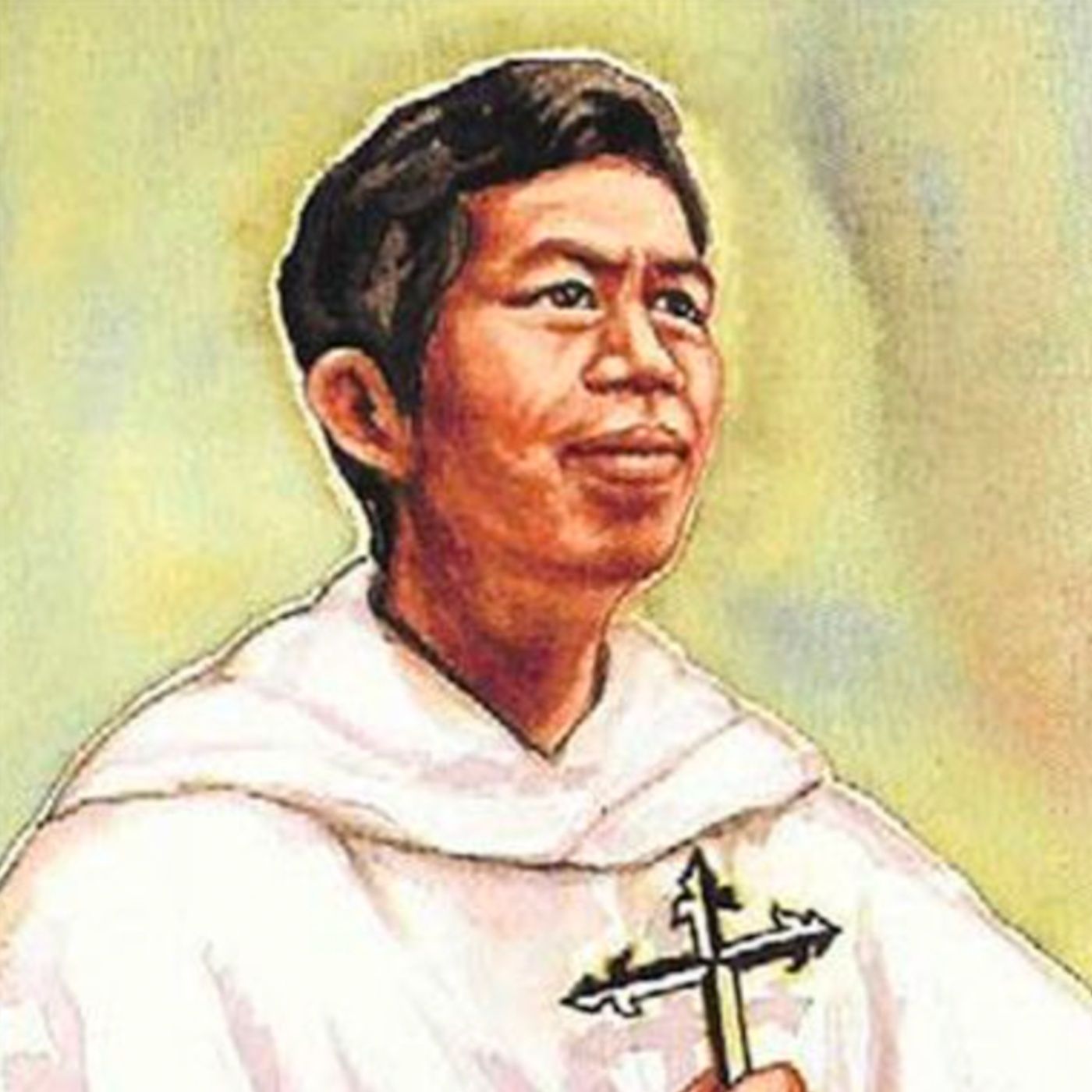
November 24: Saint Andrew Dũng-Lac, Priest, and Companions, Martyrs
Nov 24, 2026 · 6m
November 24: Saint Andrew Dũng-Lac, Priest, and Companions, Martyrs1795–1839; Seventeenth–Nineteenth CenturiesMemorial; Liturgical Color: RedPatron Saints of VietnamThousands of priests and converts...
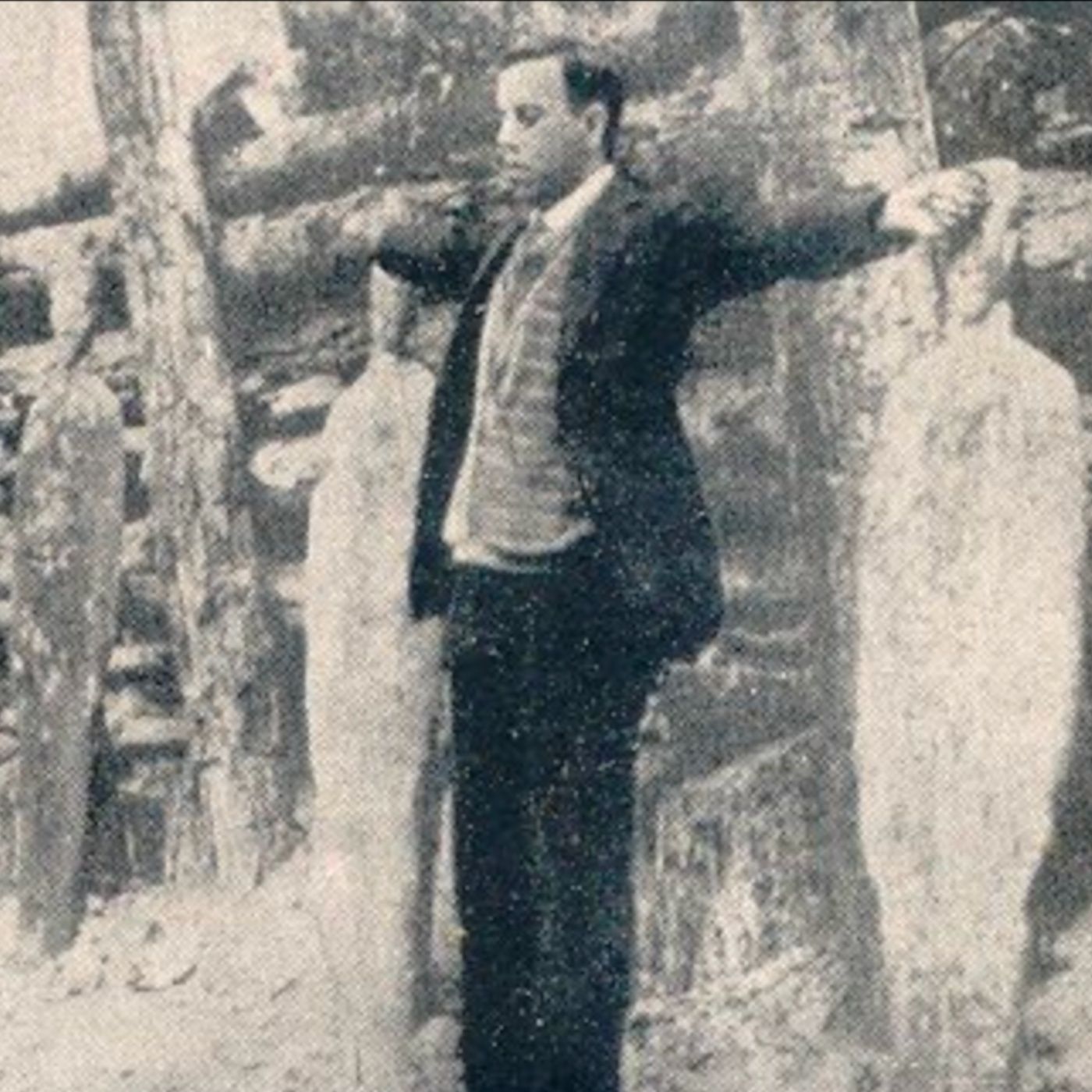
November 23: Blessed Miguel Agustín Pro, Priest and Martyr (U.S.A.)
Nov 23, 2026 · 7m
November 23: Blessed Miguel Agustín Pro, Priest and Martyr (U.S.A.)1891–1927Optional Memorial; Liturgical Color: RedThe proto-martyr of the age of the imageThe emaciated holocaust survivor behind...
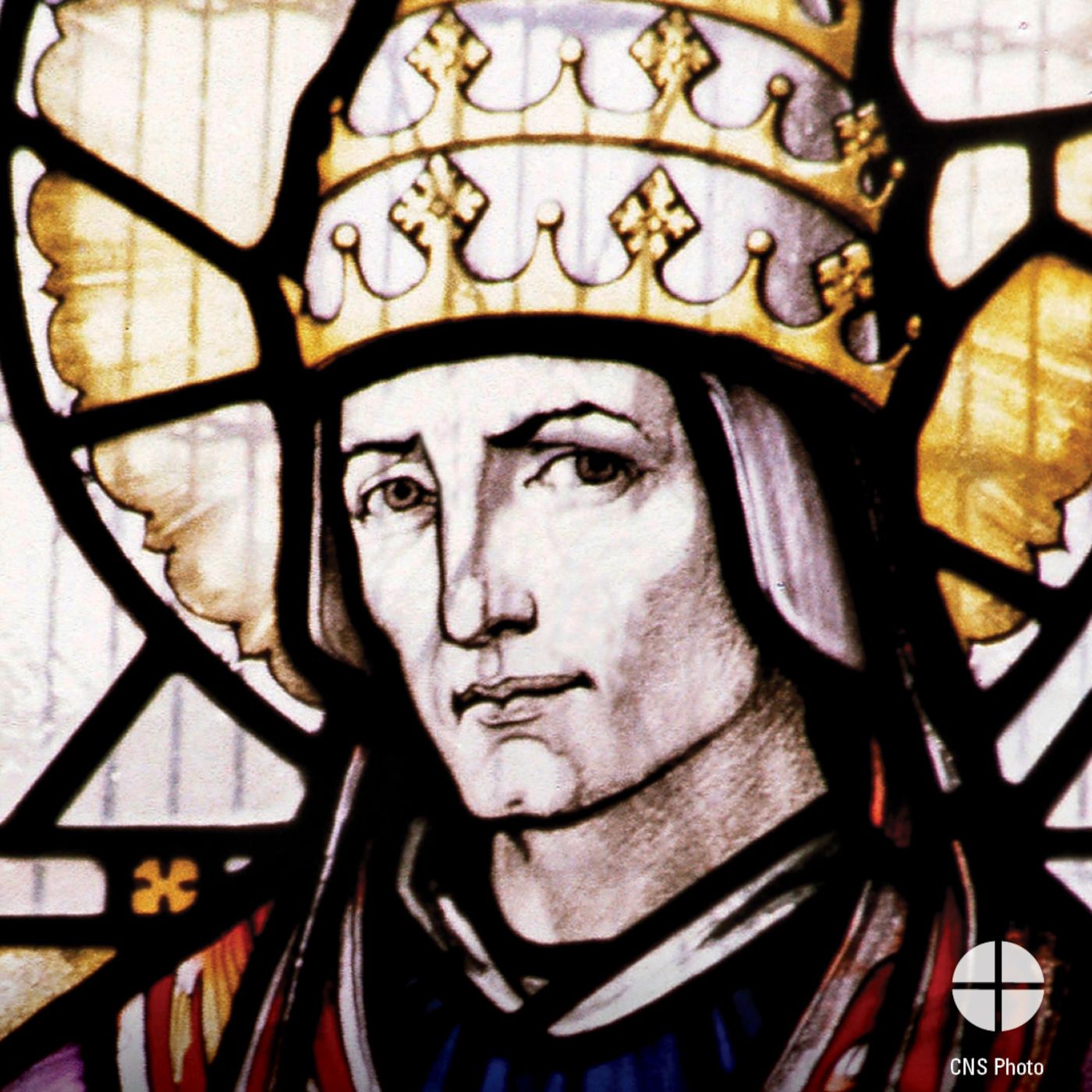
November 23: Saint Clement I, Pope and Martyr
Nov 23, 2026 · 6m
November 23: Saint Clement I, Pope and MartyrFirst CenturyOptional Memorial; Liturgical Color: RedPatron Saint of sailors and marble workersPrimacy more than infallibility, service more than...

November 23: Saint Columban, Abbot
Nov 23, 2026 · 5m
November 23: Saint Columban, Abbotc.543–615Optional Memorial; Liturgical Color: WhitePatron Saint of motorcyclists and against floodsHe led the first wave of Irish monks who stormed EuropeThroughout...
Take these sermons with you.
Follow Catholic Saints & Feasts in the Getsermons app to get every new sermon, build playlists, and pick up right where you left off.

