
Catholic Saints & Feasts
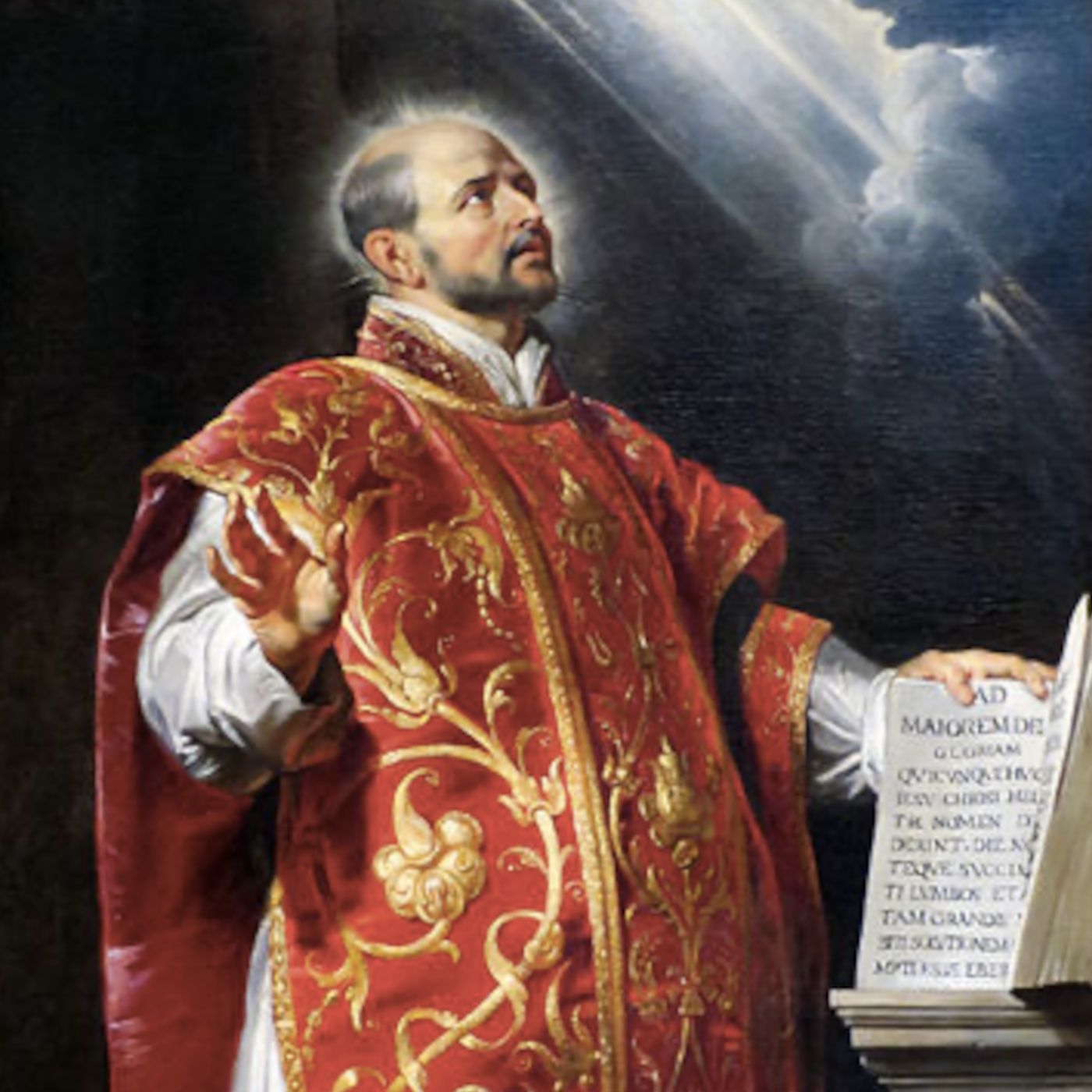
July 31: Saint Ignatius of Loyola, Priest
Jul 31, 2026 · 5m
Prefer sermons downloaded automatically?
About this sermon
July 31: Saint Ignatius of Loyola, Priest
1491–1556
Memorial; Liturgical Color: White
Patron Saint of soldiers, retreats, and the Basque country
A soldier reads, becomes holy, and founds a mighty company
Like so many other male saints, today’s saint began his adult life as a knight and soldier. In the service of a local noble, he learned the male sins that armies and royal courts excel in teaching: gambling, fighting, treachery, and womanizing. When courageously defending a fortress in Pamplona, Spain, Ignatius was hit by a cannonball. One leg was shattered and the other badly damaged. A long and painful recovery ensued. During this convalescence, he consciously decided to exchange his service from an earthly to a divine Lord. Yet Ignatius’ initial conversion developed, over time, into something far more subtle. As he moved toward the Priesthood, Ignatius engaged in profound reflection on the nature of Christian self-awareness, on prayer, and on what it meant to be radically committed to Christ and the Church.
For all of his worldliness and martial experience, Ignatius’ conversion started, ironically, with books. To counter the endless boredom of his recovery, he began to read about Saint Francis of Assisi, Saint Dominic, and other saints. He wondered if he could be like them. And then he wondered, a minute later, if he could court and marry a beautiful woman he desired. And then he was carried away thinking about new military expeditions. And on and on his mind wandered, as most minds do. But then came a spiritual breakthrough.
Ignatius reflected on reflection and thought about his thoughts. He plumbed his own depths, in the tradition of Saint Augustine, and analyzed the “shelf life” and quality of his emotions and mental experiences long after they had passed. He observed that reading the lives of the saints and thinking about earthly adventures were both pleasurable. But as time passed, reflection on holy things did not dissipate, while thoughts of earthly pleasures did. Saint Ignatius’ astute spiritual self-reflections spurred him to change the entire trajectory of his life. He wanted permanent happiness. He wanted joy. He repented of his past sins and decided to walk the way of the saints.
Saint Ignatius documented his spiritual progress, eventually publishing his insights in his classic, the Spiritual Exercises. Other saints and mystics had previously written sophisticated reflections on the normal objects of Catholic devotion. But Ignatius focused on the subject of prayer—the human person—as well as on the object of prayer—God. The mystery of God was equalled by the mystery of man. Ignatius was an innovator in describing the psychological process of praying, in advocating for a systematic examination of conscience, and in encouraging a planned method of introducing into the imagination specific biblical scenes or other objects of Christian faith for reflection. The Spiritual Exercises taught the Christian to profit from himself.
Saint Ignatius had an eventful life of wide travel, study, and apostolic activity after his conversion. His high ideals and creative leadership drew throngs of impressive followers. He chose a military name for his new order—the Company of Jesus. By the time of his death, this Company was widespread and continued its meteoric growth long after his passing to become the preeminent Catholic Order of men in the world. It is not too much to say that the Jesuits saved Europe from Protestantism, evangelized entire countries by themselves, educated the higher classes of many nations for centuries, and taught a Catholic humanism of the highest caliber. “One man and God make an army,” a saint once said. Ignatius supplied the soldiers, and God did the rest.
Saint Ignatius, may your method and example of prayer, mortification, and study inspire all modern apostles to make Christ the destination and the path, the end and the means, the way, the truth, and the life.
More from Catholic Saints & Feasts

4th Thursday in November: Thanksgiving Day (U.S.A.)
Nov 26, 2026 · 6m
Fourth Thursday in November: Thanksgiving Day (U.S.A.) Optional Memorial; Liturgical Color: White Life is a gift replete with countless gifts It’s 1542, and the Spanish Franciscan Juan de Padilla, a...
November 25: Saint Catherine of Alexandria, Virgin and Martyr
Nov 25, 2026 · 6m
November 25: Saint Catherine of Alexandria, Virgin and Martyrc. Late third–early fourth centuriesOptional Memorial; Liturgical Color: RedPatron Saint of philosophers, apologists, and all who work with...
November 24: Saint Andrew Dũng-Lac, Priest, and Companions, Martyrs
Nov 24, 2026 · 6m
November 24: Saint Andrew Dũng-Lac, Priest, and Companions, Martyrs1795–1839; Seventeenth–Nineteenth CenturiesMemorial; Liturgical Color: RedPatron Saints of VietnamThousands of priests and converts...
November 23: Blessed Miguel Agustín Pro, Priest and Martyr (U.S.A.)
Nov 23, 2026 · 7m
November 23: Blessed Miguel Agustín Pro, Priest and Martyr (U.S.A.)1891–1927Optional Memorial; Liturgical Color: RedThe proto-martyr of the age of the imageThe emaciated holocaust survivor behind...
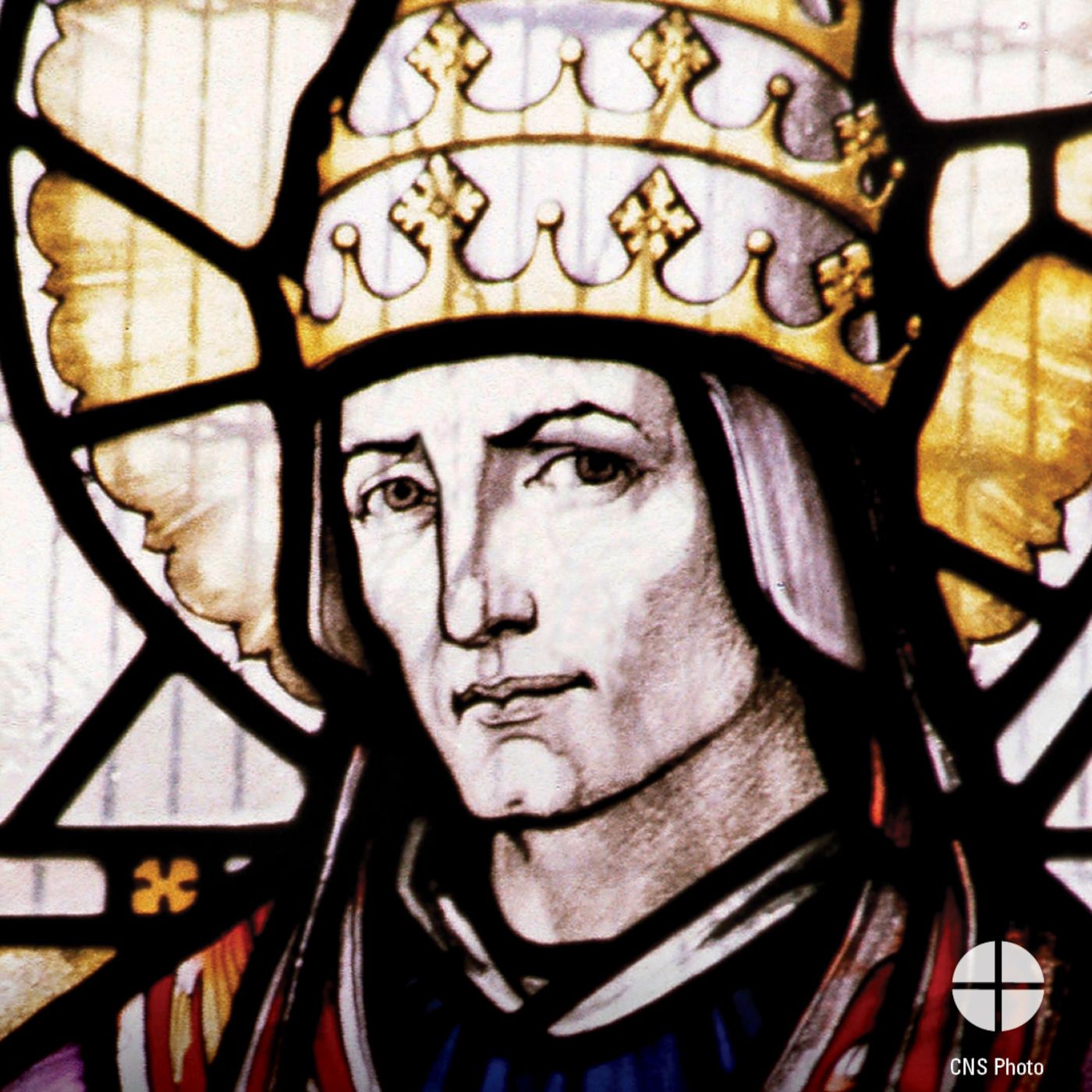
November 23: Saint Clement I, Pope and Martyr
Nov 23, 2026 · 6m
November 23: Saint Clement I, Pope and MartyrFirst CenturyOptional Memorial; Liturgical Color: RedPatron Saint of sailors and marble workersPrimacy more than infallibility, service more than...

November 23: Saint Columban, Abbot
Nov 23, 2026 · 5m
November 23: Saint Columban, Abbotc.543–615Optional Memorial; Liturgical Color: WhitePatron Saint of motorcyclists and against floodsHe led the first wave of Irish monks who stormed EuropeThroughout...
Take these sermons with you.
Follow Catholic Saints & Feasts in the Getsermons app to get every new sermon, build playlists, and pick up right where you left off.

