

Catholic Saints & Feasts
June 2: Saints Marcellinus and Peter, Martyrs
Jun 2, 2026 · 6m
Prefer sermons downloaded automatically?
About this sermon
June 2: Saints Marcellinus and Peter, Martyrs
Mid-third Century–c. 304
Optional Memorial; Liturgical Color: Red
Their memory was preserved by their very executioner
Saint Helen went to the Holy Land and returned to Rome with remnants of the true cross of Christ. This same Helen was the mother of Constantine, the Roman Emperor who legalized Christianity in 313 and who called the Council of Nicea in 325. When Saint Helen died around 328, her Emperor-Son placed her body in a monumental, sumptuous sarcophagus of rare, porphyry marble from Egypt. The deeply carved red stone shows Roman soldiers on horseback conquering barbarians. These are not scenes likely to adorn a pious woman’s tomb. It was probably meant to be Constantine’s own sarcophagus, but when his mother died, he used it for her. And Constantine did one more thing for his mother. He built a large church on the outskirts of Rome over the catacombs, or burial place, of today’s saints, Marcellinus and Peter, and placed his mother and her giant tomb inside of the church.
That one so famous and powerful as Constantine would build a church over the catacombs of Marcellinus and Peter, and honor this church still more with his mother’s tomb, testifies to these martyrs’ importance to the early Christians of Rome. And since they were martyred in approximately 304, only a decade before Constantine conquered the eternal city, their memory must still have been fresh when Christianity was legalized. Until this time, Christians worshipped in dark, hidden places. As they first stepped into the public light to build the ancient churches whose walls, pillars, and foundations are still visible today, these Christians honored those who came before them. They honored those whose deaths were all the sadder because they perished so close to the day of Christian liberation. They honored Saints Marcellinus and Peter.
Little is known with certainty about Saint Marcellinus and Saint Peter. Tradition tells us that Marcellinus was a priest and Peter an exorcist and that they were beheaded on the outskirts of Rome. A few years after the bloody event, a little boy from Rome heard about their deaths from the mouth of their very executioner, who later became a Christian. That little boy was named Damasus, and he went on to became Pope from 366–384. Decades later, remembering the story he had heard as a child, Pope Damasus honored Marcellinus and Peter by adorning their tomb with a marble inscription recounting the details of their martyrdom as he had heard them so long ago. Unfortunately, the inscription is lost.
The circumstances of Marcellinus’ and Peter’s deaths were likely similar to those of other, better-documented martyrdoms: some public declaration of faith, arrest, perfunctory trial, a chance to offer sacrifice to a Roman god, a refusal, a last chance to be an idolater, a last refusal, and then a swift, businesslike beheading. It was over quickly. Then came the calm. Then came the night. And out of that darkness emerged a candle-lit procession of humble Christians, walking slowly and silently toward the place of execution. The headless corpses were placed on white sheets and carried solemnly to an underground burial niche. A small marble plaque etched with the martyrs’ names was placed nearby. An oil lamp was lit and left burning. Thus the veneration began. Thus it continues today.
Marcellinus and Peter were important enough to be included in the official list of Roman martyrs and to have their names remembered in the liturgy of Rome. As the Mass celebrated in Rome became standard throughout the Catholic world, the names of Marcellinus and Peter were embedded into the Roman Canon, the First Eucharistic Prayer. And there they are read at Mass until today, more than one thousand seven hundred years after they died. The Body of Christ forgets nothing, retains everything, and purifies its memory to honor those who deserve honoring.
The catacombs and the first Basilica of Marcellinus and Peter fell into ruins at the hands of two enemies—time and the Goths. A “new” church was built nearby to replace it and is still a parish. Saint Helen’s bones were removed from her imperial tomb in the twelfth century and swapped with the body of a Pope. The tomb was later emptied again and, in 1777, moved to the Vatican museums. Hundreds of thousands of tourists walk right by the tomb every year, seeing perhaps just a huge chunk of marble, oblivious to the rich history connecting the monumental tomb to ancient Christianity and the martyrs we commemorate today.
Saints Marcellinus and Peter, help all those who seek your intercession to face persecution and intimidation of any kind, via words, or arms, or threats, with bravery and heroic resistance.
More from Catholic Saints & Feasts
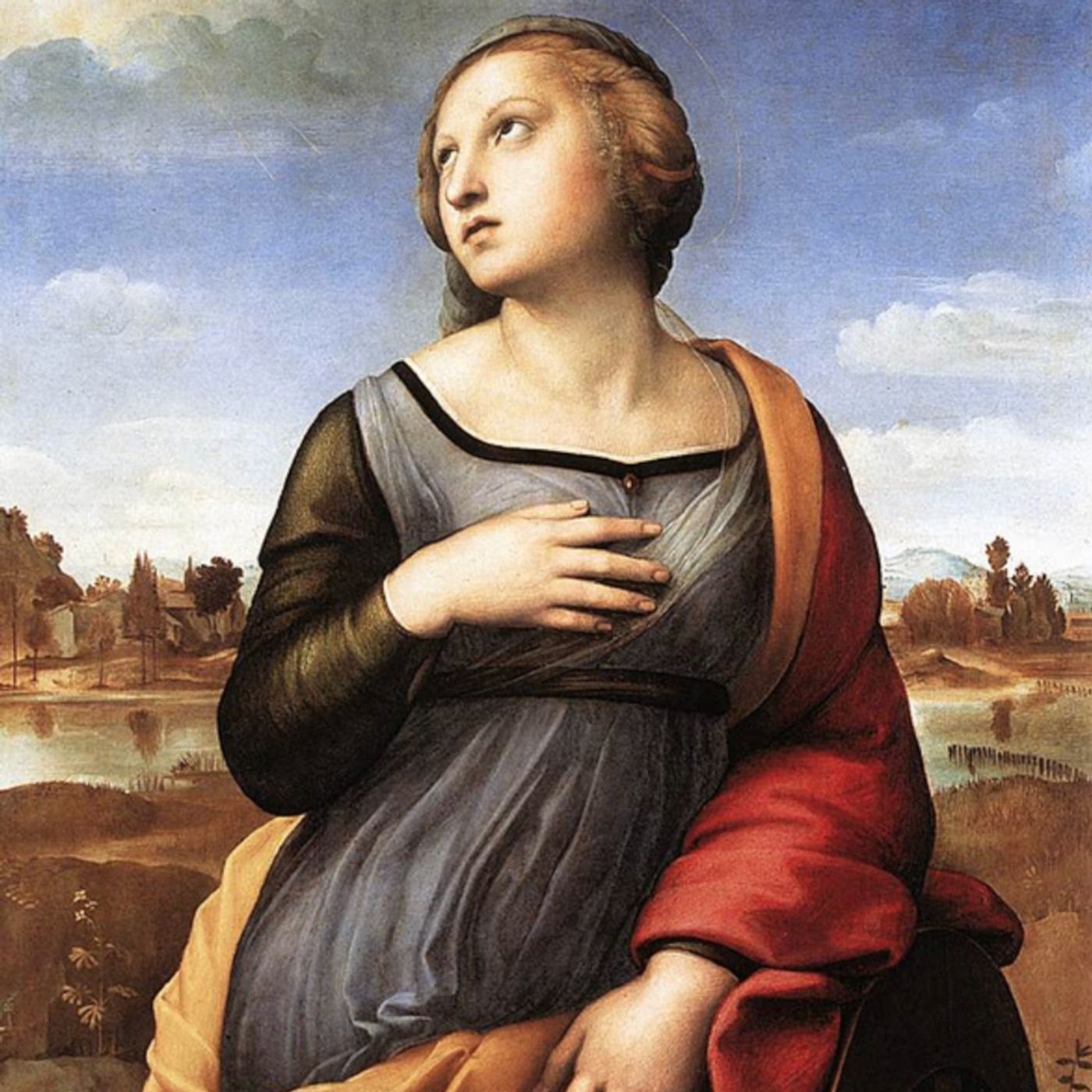
November 25: Saint Catherine of Alexandria, Virgin and Martyr
Nov 25, 2026 · 6m
November 25: Saint Catherine of Alexandria, Virgin and Martyrc. Late third–early fourth centuriesOptional Memorial; Liturgical Color: RedPatron Saint of philosophers, apologists, and all who work with...
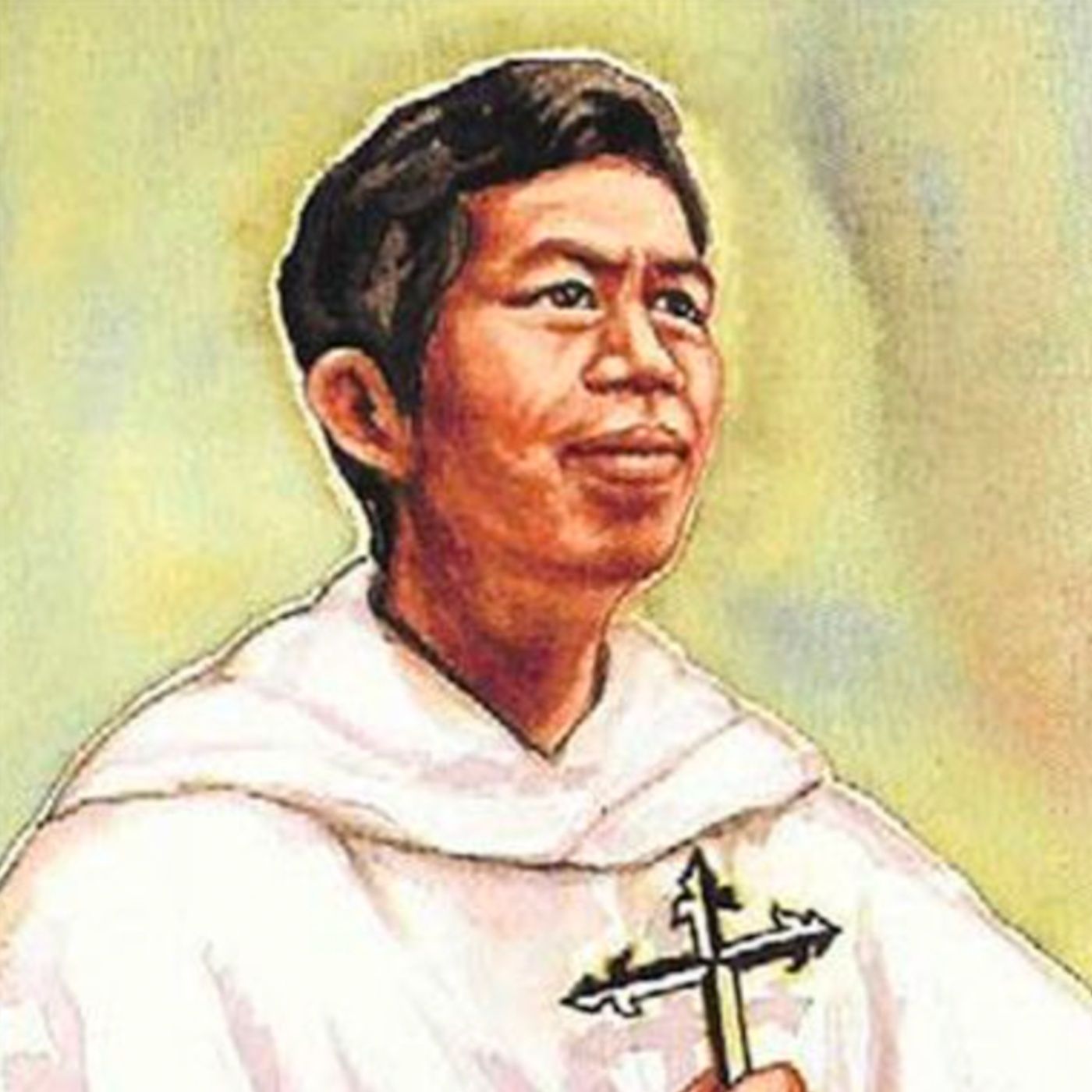
November 24: Saint Andrew Dũng-Lac, Priest, and Companions, Martyrs
Nov 24, 2026 · 6m
November 24: Saint Andrew Dũng-Lac, Priest, and Companions, Martyrs1795–1839; Seventeenth–Nineteenth CenturiesMemorial; Liturgical Color: RedPatron Saints of VietnamThousands of priests and converts...
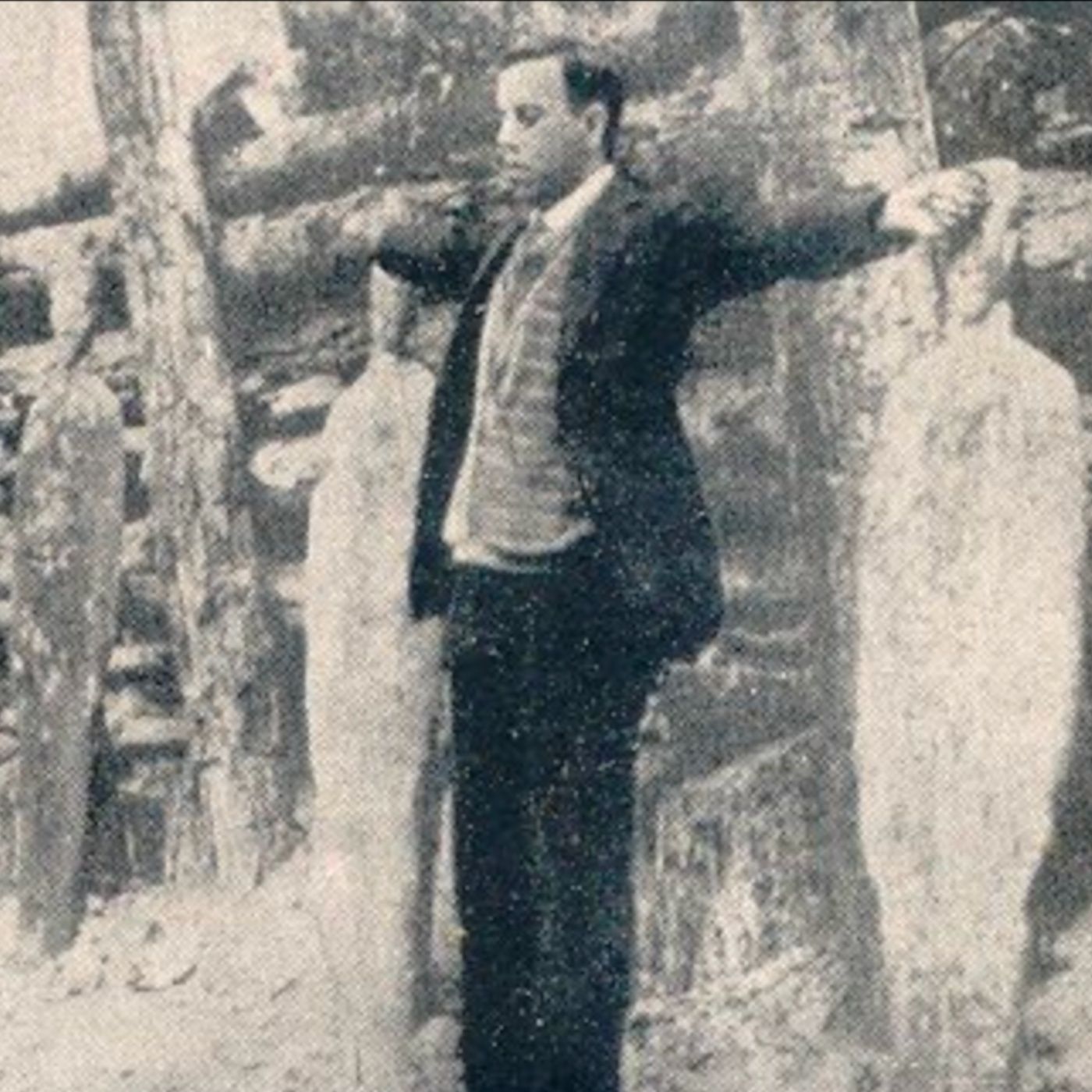
November 23: Blessed Miguel Agustín Pro, Priest and Martyr (U.S.A.)
Nov 23, 2026 · 7m
November 23: Blessed Miguel Agustín Pro, Priest and Martyr (U.S.A.)1891–1927Optional Memorial; Liturgical Color: RedThe proto-martyr of the age of the imageThe emaciated holocaust survivor behind...
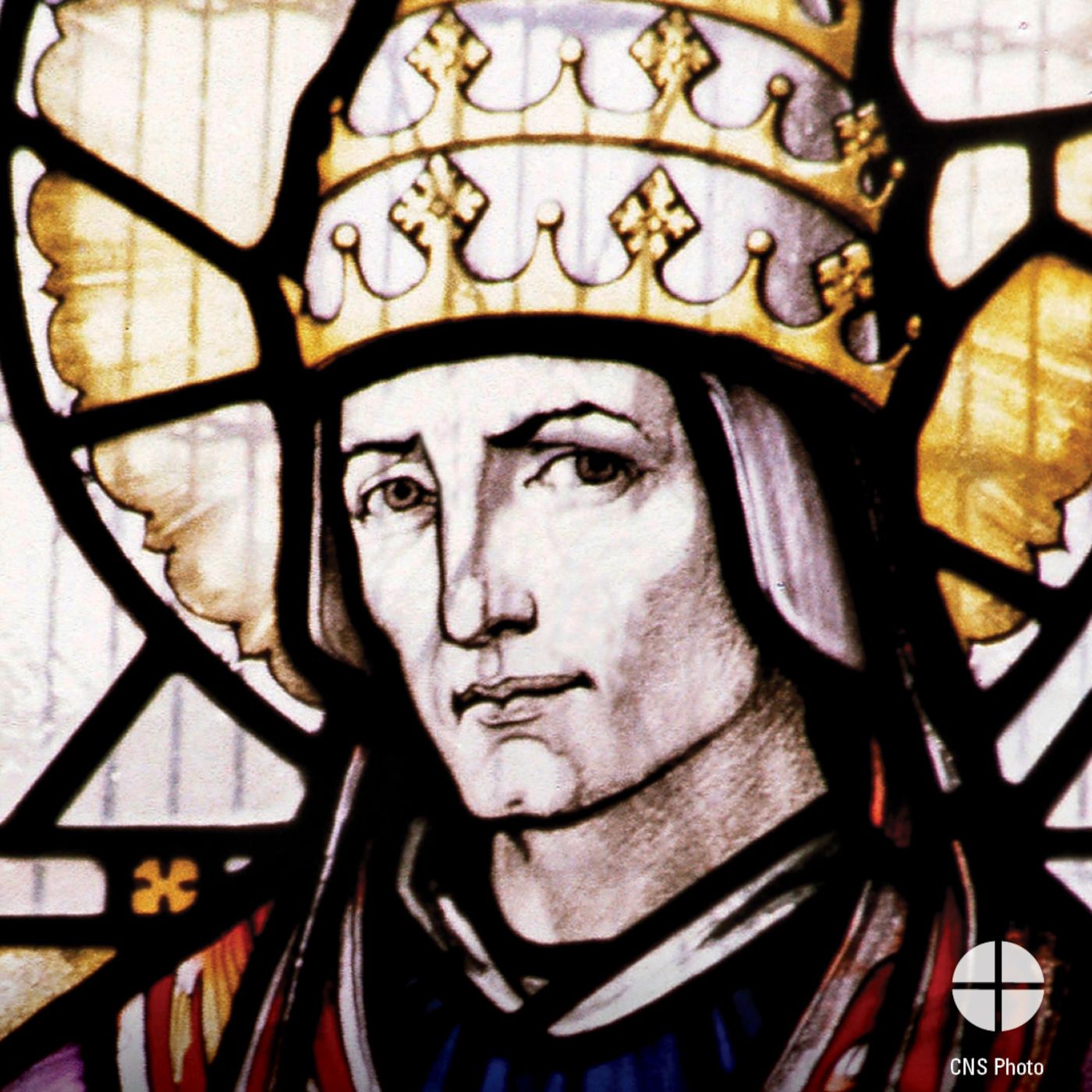
November 23: Saint Clement I, Pope and Martyr
Nov 23, 2026 · 6m
November 23: Saint Clement I, Pope and MartyrFirst CenturyOptional Memorial; Liturgical Color: RedPatron Saint of sailors and marble workersPrimacy more than infallibility, service more than...

November 23: Saint Columban, Abbot
Nov 23, 2026 · 5m
November 23: Saint Columban, Abbotc.543–615Optional Memorial; Liturgical Color: WhitePatron Saint of motorcyclists and against floodsHe led the first wave of Irish monks who stormed EuropeThroughout...
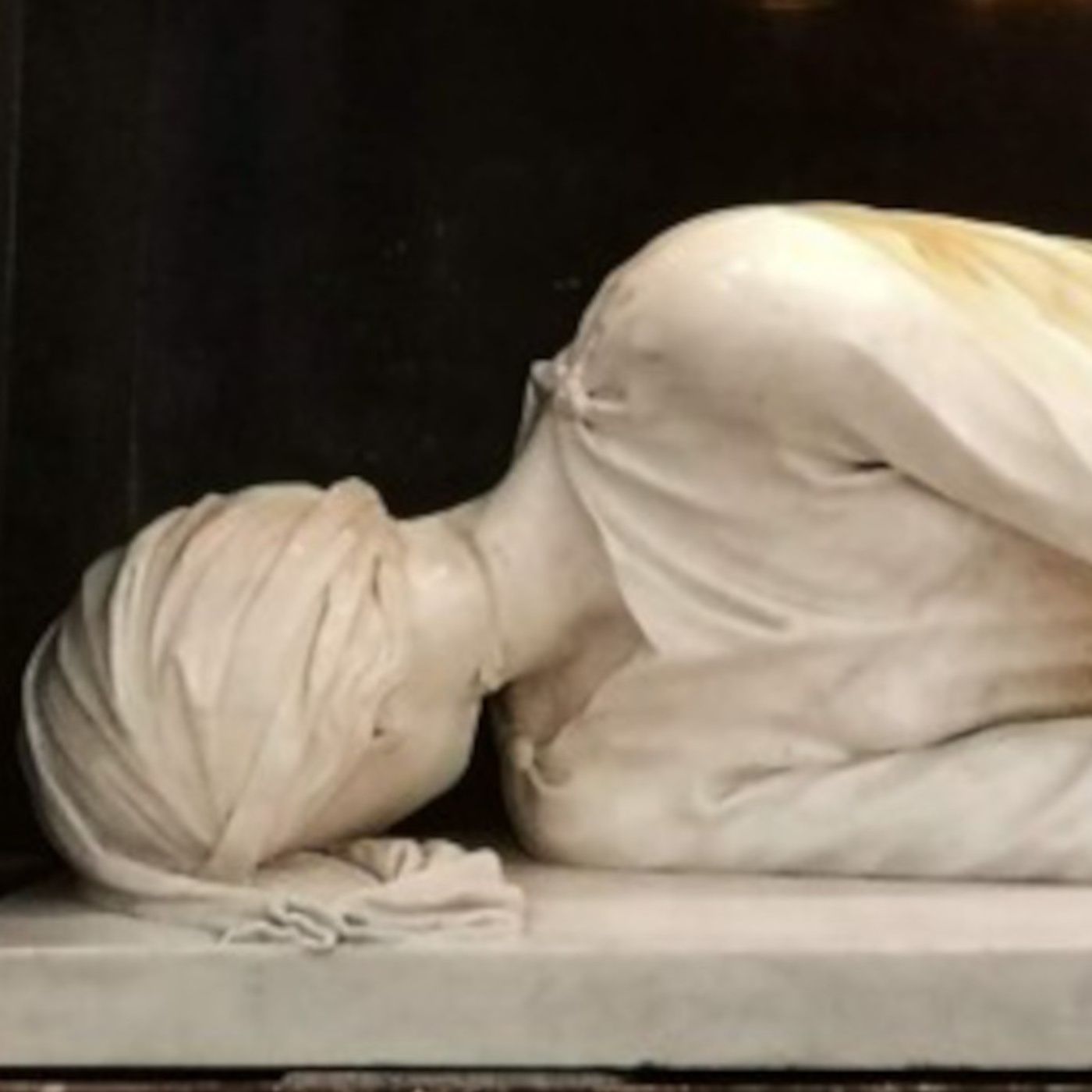
November 22: Saint Cecilia, Virgin and Martyr
Nov 22, 2026 · 6m
November 22: Saint Cecilia, Virgin and Martyrc. Third CenturyMemorial; Liturgical Color: RedPatron Saint of Music and MusiciansA girl martyr’s mysterious death seizes the imaginationThe First...
Take these sermons with you.
Follow Catholic Saints & Feasts in the Getsermons app to get every new sermon, build playlists, and pick up right where you left off.

