

Catholic Saints & Feasts
June 5: Saint Boniface, Bishop & Martyr
Jun 4, 2026 · 5m
Prefer sermons downloaded automatically?
About this sermon
June 5: Saint Boniface, Bishop and Martyr
c. 675–754
Memorial; Liturgical Color: Red
Patron Saint of Germany
Pagans cut down a man of action in his grey hairs
In the treasury of the Cathedral of Fulda, Germany, there is a medieval Codex, a large, bound book of prayers and theological documents, which very likely belonged to Saint Boniface. The rough cover of the Codex is deeply sliced with cuts from a sword. A tradition dating back to the generations just after Saint Boniface’s own time attests that he wielded this very book like a shield to ward off the blows of robbers who attacked him and a large band of missionaries in Northern Germany in 754. Our saint tried to protect himself, both metaphorically and literally, with the written truths of our faith. It was to no avail. Saint Boniface and fifty-two of his companions were slaughtered. Ransacking the baggage of the missionaries for treasure, the band of thieves found no gold vessels or silver plates but only sacred texts the unlettered men couldn’t read. Thinking them worthless, they left these books on the forest floor, to be recovered later by local Christians. The Codex eventually made it into the Treasury at Fulda where it is found today. One of the earliest images of Saint Boniface, from a Sacramentary dating to 975, depicts the saint deflecting the blows of a sword with a large, thick book. The Codex is a second-class relic, giving silent witness to the final moments of a martyr.
Saint Boniface is known as the “Apostle of the Germans” and is buried in the crypt of Fulda Cathedral. However, his baptismal name was Winfrid, and he was born and raised in Anglo-Saxon England. He was from an educated family, entered a local monastery as a youth, and was ordained a priest at the age of thirty. In 716 Winfrid sailed to the continent to become a missionary to the peoples on the Baltic coast of today’s Northern Germany. He was able to communicate with them because his Anglo-Saxon tongue was similar to the languages of the native Saxon and Teutonic tribes. Winfrid was among the first waves of those many Irish and Anglo-Saxon monks who saved what could be saved of Roman and Christian culture in Europe after the Roman Empire collapsed. Large migrations of Gothic peoples, mostly Arian Christians, pagans, or a confusing mix of the two, filled the vacuum created after Roman order disintegrated, and they needed to be inculcated in the faith to rebuild a superior version of the culture they had helped decimate.
Winfrid traveled to Rome the year after first arriving on the continent, where the pope renamed him Boniface and appointed him missionary Bishop of Germany. After this, he never returned to his home country. He set out to the north and proceeded to dig and lay the foundations of Europe as we know it. He organized dioceses, helped found monasteries, baptized thousands, pacified tribes, challenged tree-worshipping pagans, taught, preached, held at least one large Church Council, convinced more Anglo-Saxon monks to follow his lead, ordained priests, appointed bishops, stayed in regular contact with his superiors in Rome, and pushed the boundaries of Christianity to their northernmost limit. Boniface was indefatigable. He was in his late seventies, and still pushing to convert the unconverted, when he was surprised and slain in a remote wilderness.
Saint Boniface was well educated, and many of his letters and related correspondence survive. But he was, above all, a man of action. He was daring and fearless. He was a pathbreaker. His faith moved mountains and tossed them into the sea. His labors, combined with his great faith, are the stuff of legend. More incredibly, though, they are the stuff of truth.
Saint Boniface, through your powerful intercession, help all those who labor for the faith to be as intrepid as you were in challenging those who reject Christ. May your example of tireless witness inspire all missionaries, both at home and abroad, to persevere.
More from Catholic Saints & Feasts

4th Thursday in November: Thanksgiving Day (U.S.A.)
Nov 26, 2026 · 6m
Fourth Thursday in November: Thanksgiving Day (U.S.A.) Optional Memorial; Liturgical Color: White Life is a gift replete with countless gifts It’s 1542, and the Spanish Franciscan Juan de Padilla, a...
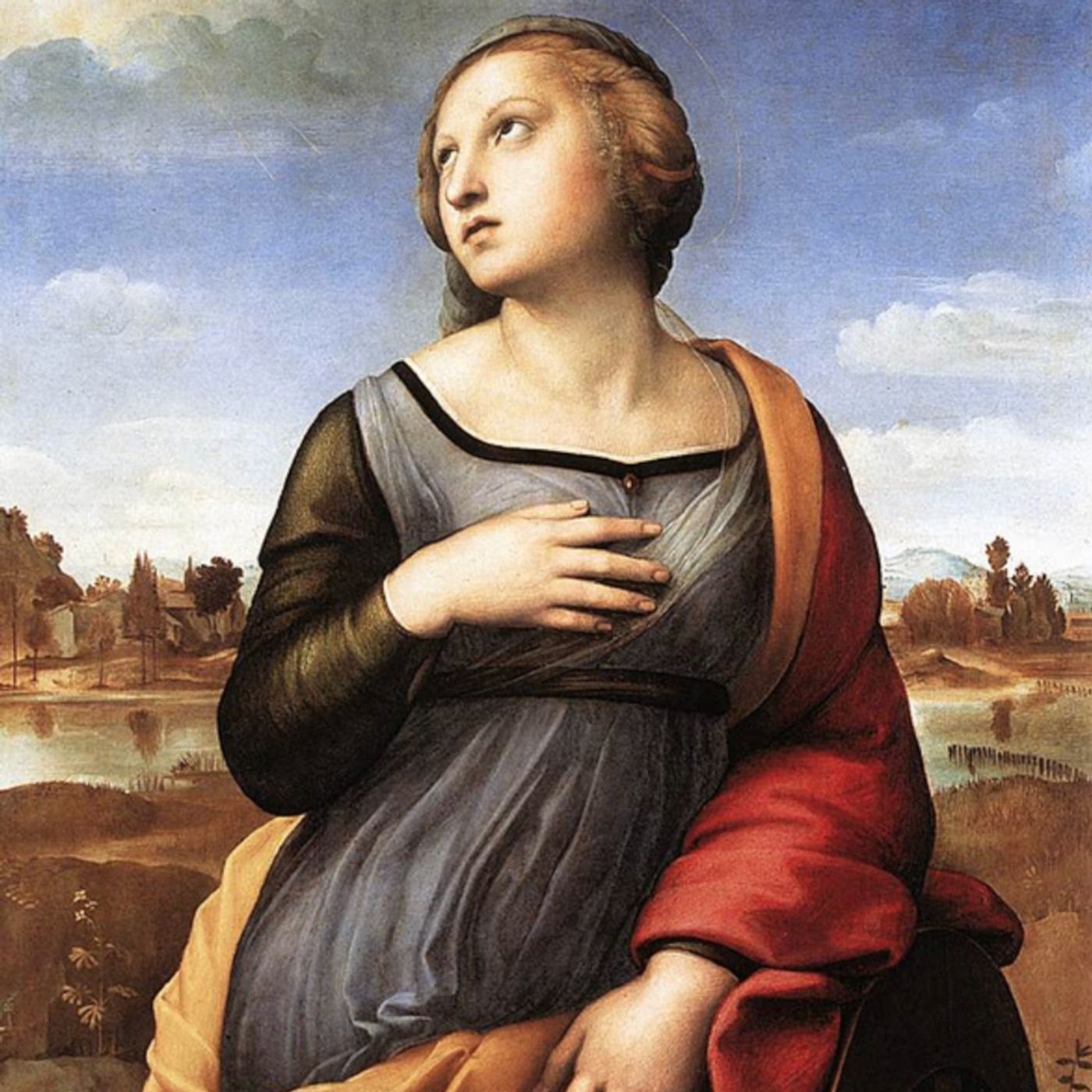
November 25: Saint Catherine of Alexandria, Virgin and Martyr
Nov 25, 2026 · 6m
November 25: Saint Catherine of Alexandria, Virgin and Martyrc. Late third–early fourth centuriesOptional Memorial; Liturgical Color: RedPatron Saint of philosophers, apologists, and all who work with...
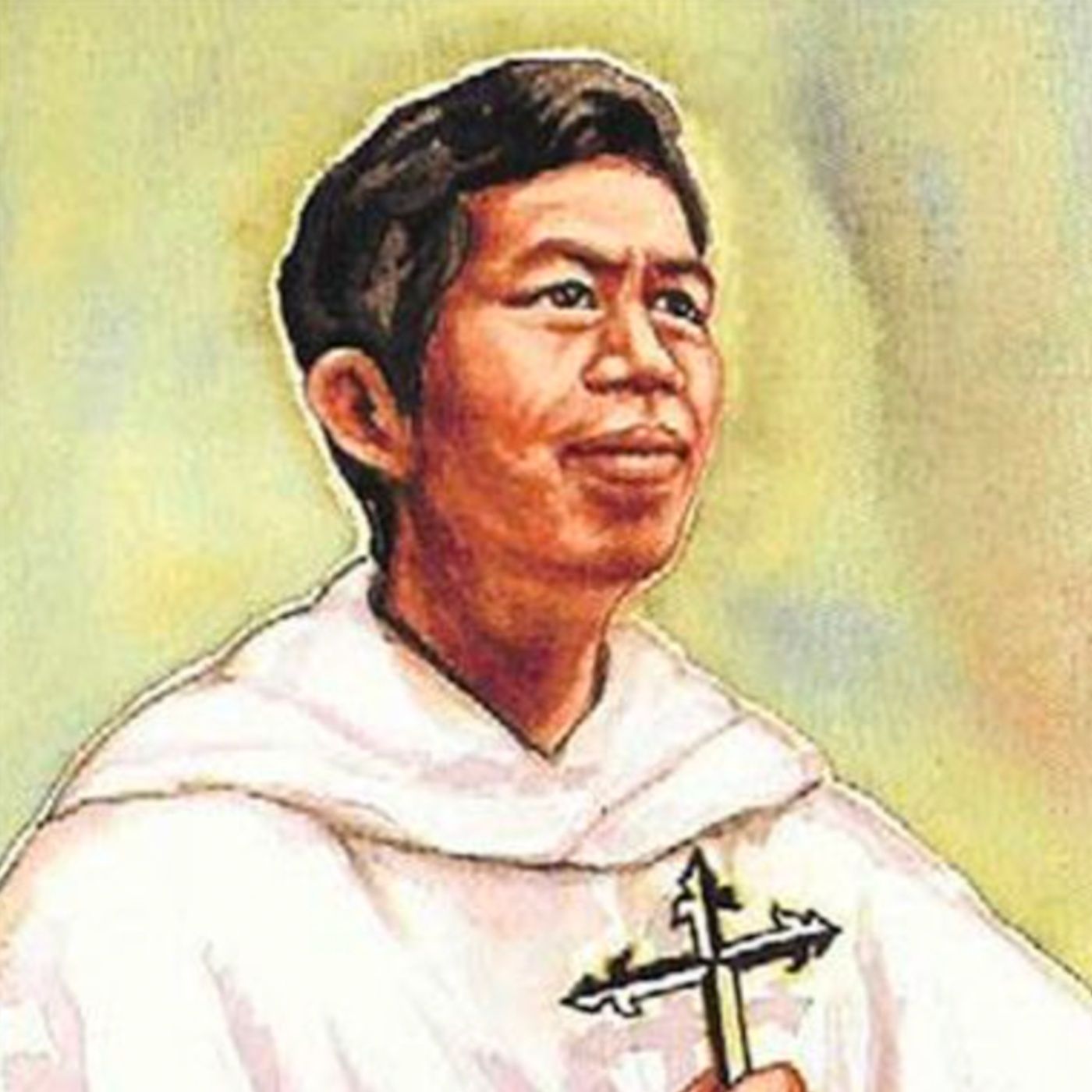
November 24: Saint Andrew Dũng-Lac, Priest, and Companions, Martyrs
Nov 24, 2026 · 6m
November 24: Saint Andrew Dũng-Lac, Priest, and Companions, Martyrs1795–1839; Seventeenth–Nineteenth CenturiesMemorial; Liturgical Color: RedPatron Saints of VietnamThousands of priests and converts...
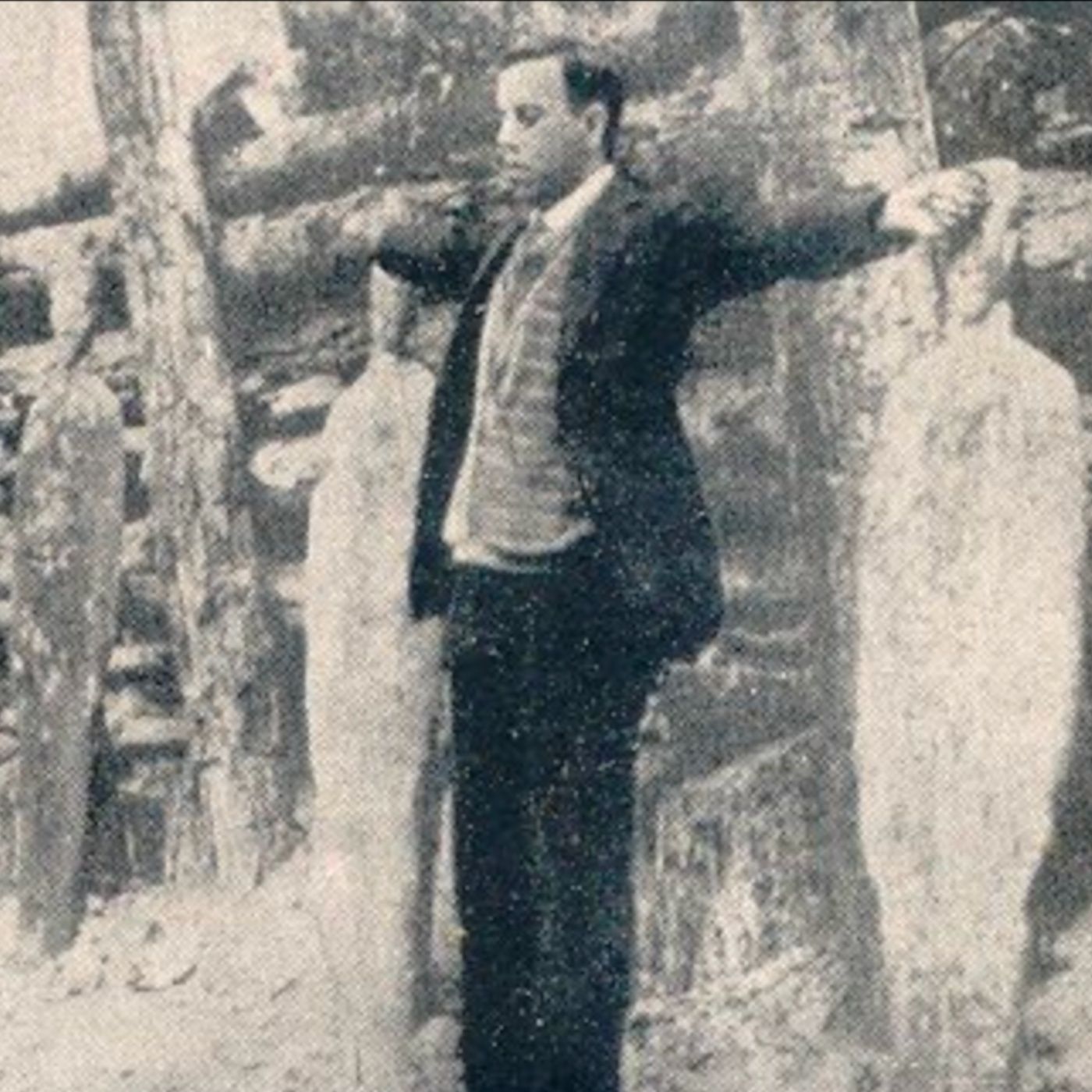
November 23: Blessed Miguel Agustín Pro, Priest and Martyr (U.S.A.)
Nov 23, 2026 · 7m
November 23: Blessed Miguel Agustín Pro, Priest and Martyr (U.S.A.)1891–1927Optional Memorial; Liturgical Color: RedThe proto-martyr of the age of the imageThe emaciated holocaust survivor behind...
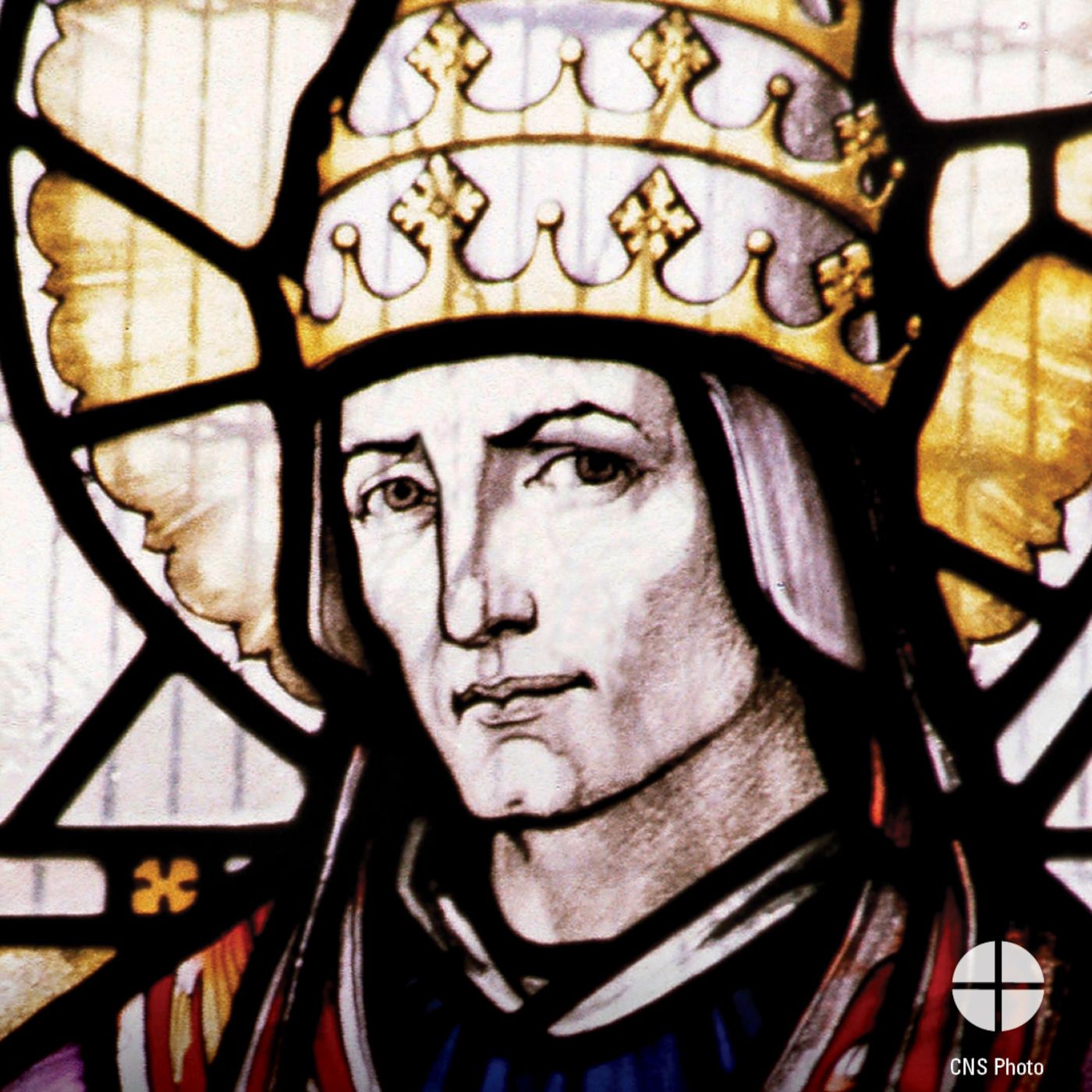
November 23: Saint Clement I, Pope and Martyr
Nov 23, 2026 · 6m
November 23: Saint Clement I, Pope and MartyrFirst CenturyOptional Memorial; Liturgical Color: RedPatron Saint of sailors and marble workersPrimacy more than infallibility, service more than...

November 23: Saint Columban, Abbot
Nov 23, 2026 · 5m
November 23: Saint Columban, Abbotc.543–615Optional Memorial; Liturgical Color: WhitePatron Saint of motorcyclists and against floodsHe led the first wave of Irish monks who stormed EuropeThroughout...
Take these sermons with you.
Follow Catholic Saints & Feasts in the Getsermons app to get every new sermon, build playlists, and pick up right where you left off.

