

Catholic Saints & Feasts
May 10: St. John of Avila, Priest & Doctor
May 8, 2026 · 6m
Prefer sermons downloaded automatically?
About this sermon
May 10: Saint John of Ávila, Priest and Doctor
1499-1569
Optional Memorial: Liturgical Color: White
Patron Saint of Andalusia Spain and Spanish clergy
His humble epitaph reads “I was a sower”
Some of the most passionate and daring missionaries stayed close to home. They never sailed the high seas or crossed a snow-capped mountain. Today’s saint was one of them. He was an only child, and after his parents died, Fr. John sold his family property, travelled to Seville, cut all ties, and prepared to sail to New Spain (Mexico), one more wave in that surging missionary tide which crashed on Mexico’s shores throughout the 1500s. But it was not to be. St. John of Ávila never walked up the ship’s plank. He never crossed the ocean. While waiting for his ship in Seville, his skills as a preacher and catechist, and his obvious holiness, were noticed by the local bishop, who convinced him to preach, teach, and evangelize in Andalusia, in Spain’s rugged south.
Saint John then spent himself crisscrossing a region that had only recently been conquered by the Spanish crown, and so was still populated by Spanish Muslims and Jews whose conversions to Catholicism were often more matters of expedience than religious conviction. In this newly opened mission field, our saint’s broad, humanistic education perfectly matched the pastoral need. Father John harmonized orthodox theology, renaissance humanism, rigorous morality, and an insightful spirituality into a powerful synthesis which, when conveyed through his compelling preaching, moved his congregations to their very cores. As John migrated through the great cities of southern Spain - Seville, Córdoba, Granada – large numbers of the faithful followed him everywhere, eager to absorb every word that flowed from his mouth or pen.
People of every class, educational level, and depth of religious commitment found St. John fascinating. In his own lifetime he came to be known as “Master Ávila” for his dominance of the sacred sciences and his vigorous pastoral efforts. He converted, or led to deeper conversion, Saint John of God, founder of the Hospitaller Order, and Saint Francis Borgia, a future Master General of the Jesuits. He was a friend of Saint Ignatius of Loyola, founder of the Jesuits, and advised Saint Teresa of Ávila, foundress of the Discalced Carmelites. Despite these, and many other, personal connections to famous religious orders and their founders, St. John always remained a diocesan priest, not a religious order priest, something unusual for a priest of his era with such wide influence.
Saint John’s erudition and solid virtues were further buttressed by his life of abject poverty and physical suffering. He was also part of that loud, pan-European cry for church reform that preceded the Council of Trent by decades. Saint John established several seminaries and colleges, provided spiritual direction to multitudes of laity, religious and seminarians, wrote a long spiritual treatise called Audi filia (“Listen daughter”) and was invited by a bishop to attend the Council of Trent as his theological adviser, though illness prevented Saint John from making the journey.
John was declared Venerable in 1759, Blessed in 1893, and Saint in 1970. Proving that saints are always contemporary, he was declared a doctor of the Church by Pope Benedict XVI in 2012 after a petition from the Spanish episcopacy for such an honor was duly studied and approved by the Vatican. The Papal Bull declaring him a Doctor of the Church states: “The teaching of John of Ávila is outstanding for its quality and precision, and its breadth and depth, which were the fruit of methodical study and contemplation together with a profound experience of supernatural realities.”
In his last few years, Saint John suffered acute physical pain and was largely confined to his humble home. Confinement allowed him to finally perfect his theological and spiritual writings and to correspond with those seeking his wise counsel. The esteemed Master Ávila, a true Man of La Mancha, died clutching a crucifix, surrounded by many disciples, on May 10, 1569.
Saint John of Ávila, your refined education, broad mind, and ardent love of God and Mary showed itself in all you did and said. May our lives likewise reflect our deepest Christian beliefs, inspiring our friends and families to live saintly perfection.
More from Catholic Saints & Feasts

4th Thursday in November: Thanksgiving Day (U.S.A.)
Nov 26, 2026 · 6m
Fourth Thursday in November: Thanksgiving Day (U.S.A.) Optional Memorial; Liturgical Color: White Life is a gift replete with countless gifts It’s 1542, and the Spanish Franciscan Juan de Padilla, a...
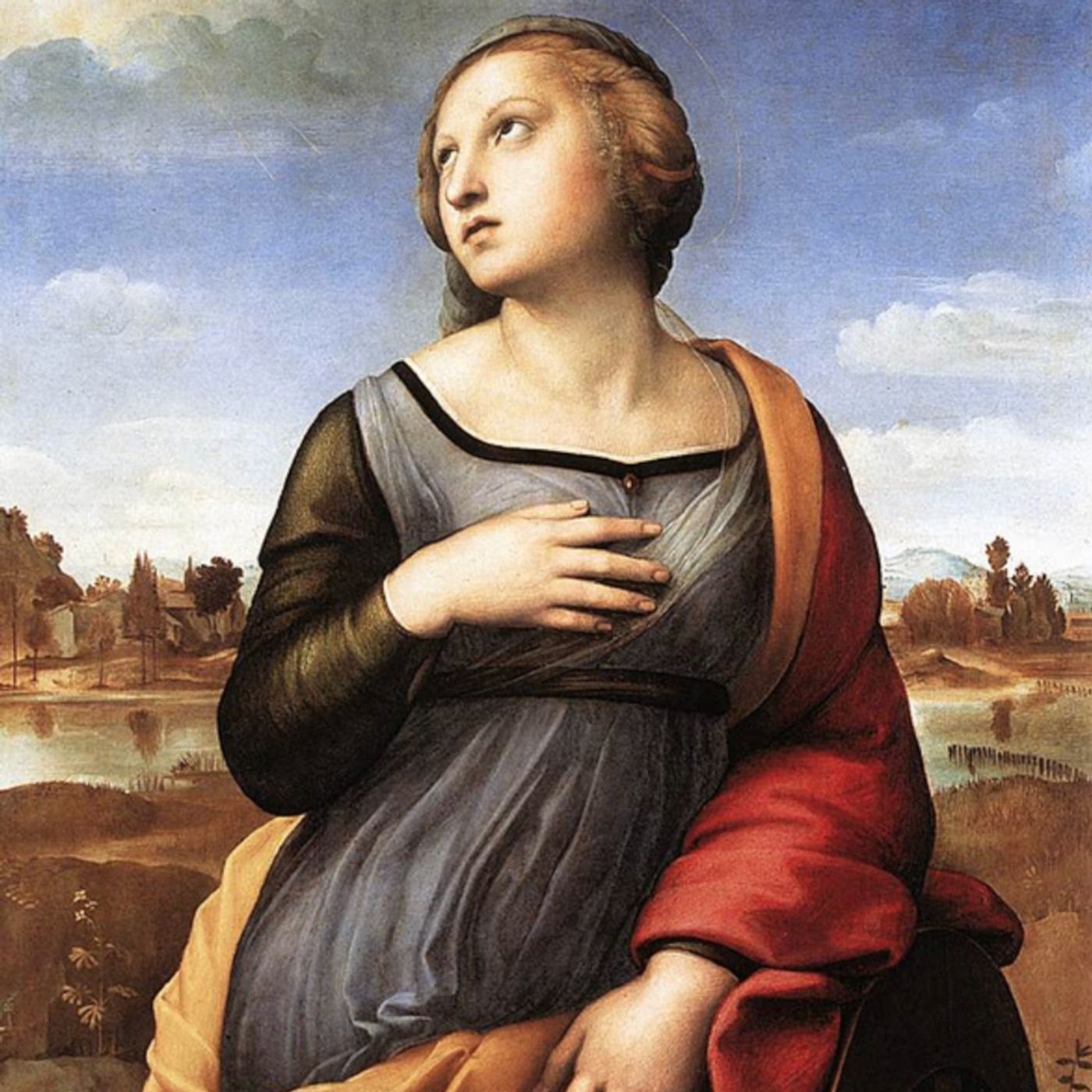
November 25: Saint Catherine of Alexandria, Virgin and Martyr
Nov 25, 2026 · 6m
November 25: Saint Catherine of Alexandria, Virgin and Martyrc. Late third–early fourth centuriesOptional Memorial; Liturgical Color: RedPatron Saint of philosophers, apologists, and all who work with...
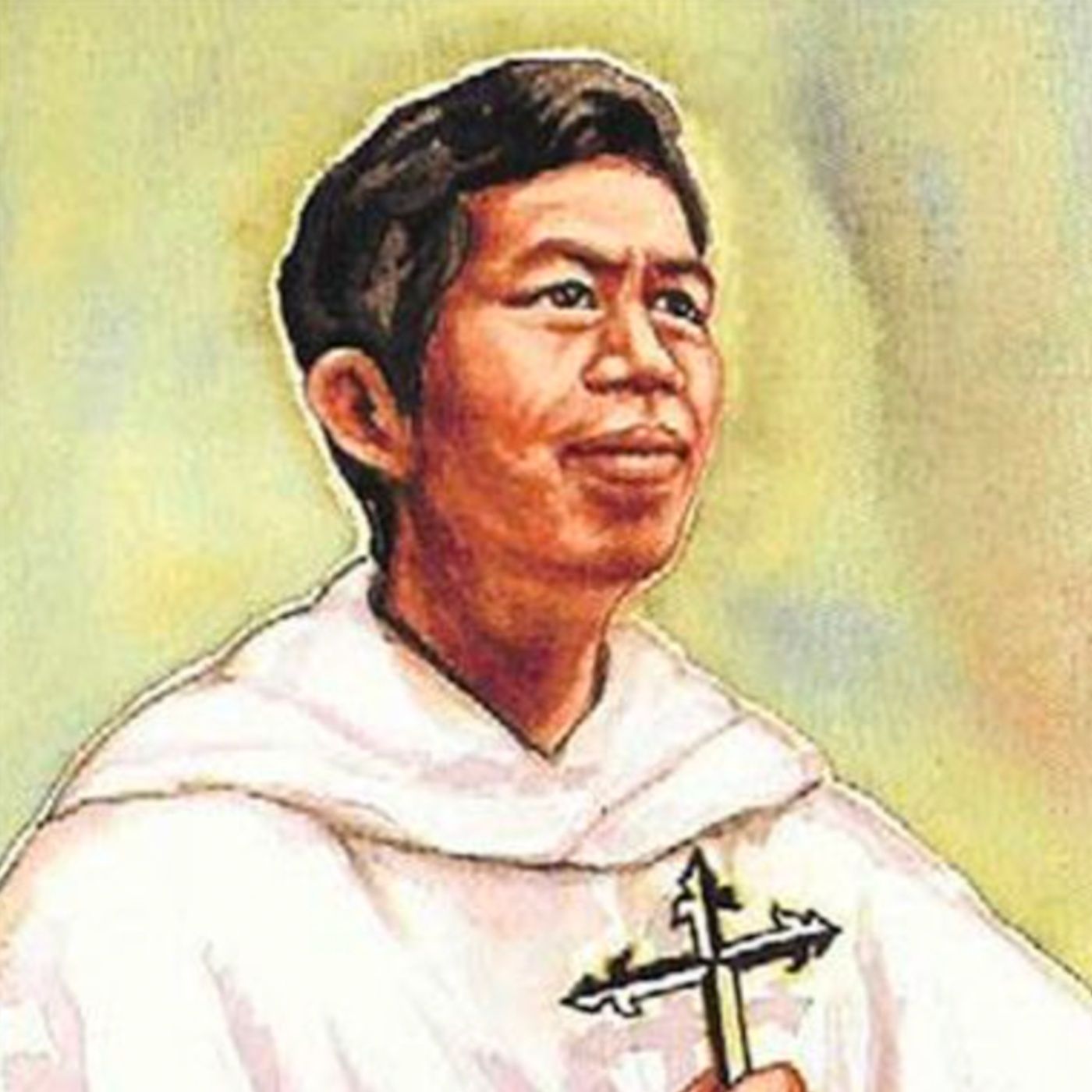
November 24: Saint Andrew Dũng-Lac, Priest, and Companions, Martyrs
Nov 24, 2026 · 6m
November 24: Saint Andrew Dũng-Lac, Priest, and Companions, Martyrs1795–1839; Seventeenth–Nineteenth CenturiesMemorial; Liturgical Color: RedPatron Saints of VietnamThousands of priests and converts...
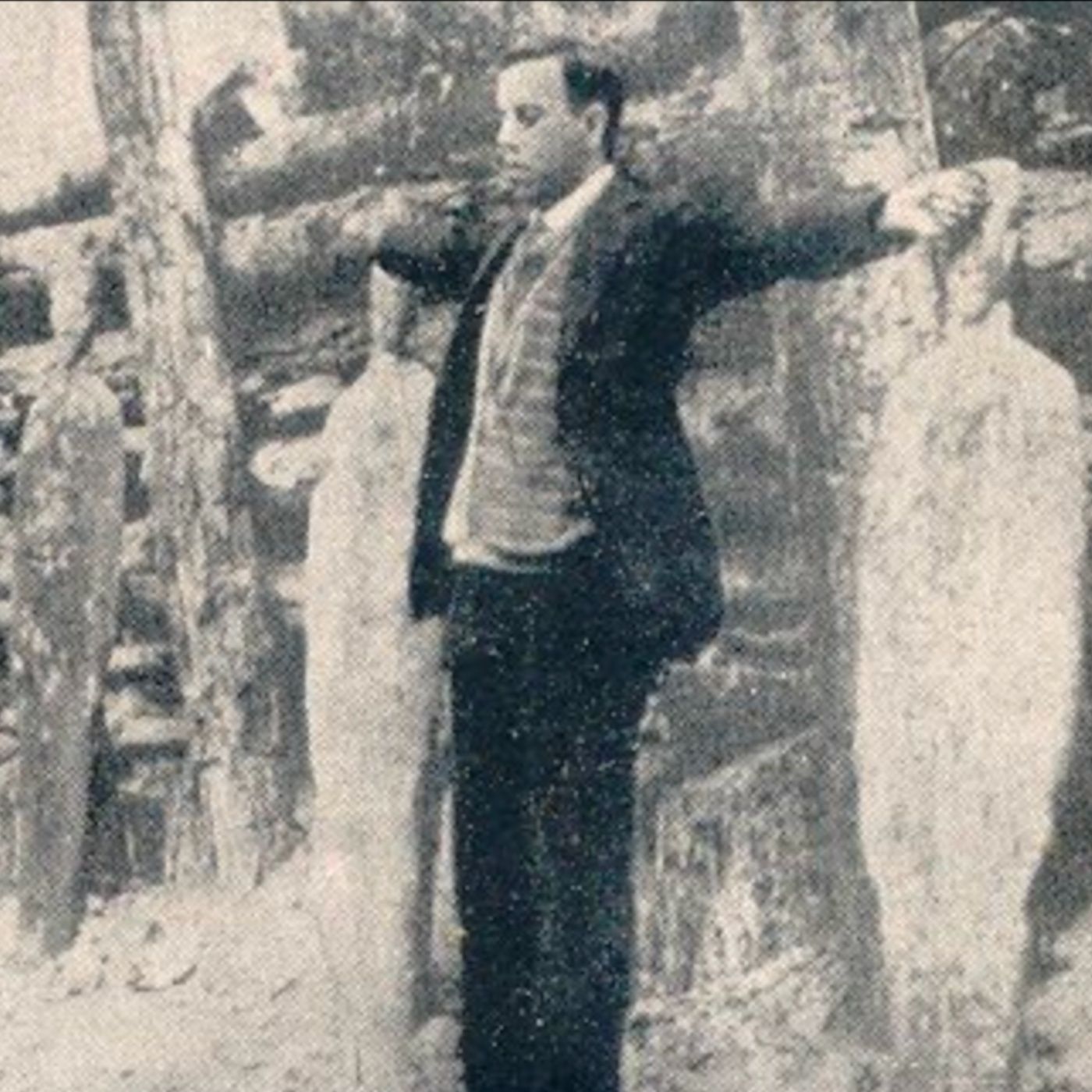
November 23: Blessed Miguel Agustín Pro, Priest and Martyr (U.S.A.)
Nov 23, 2026 · 7m
November 23: Blessed Miguel Agustín Pro, Priest and Martyr (U.S.A.)1891–1927Optional Memorial; Liturgical Color: RedThe proto-martyr of the age of the imageThe emaciated holocaust survivor behind...
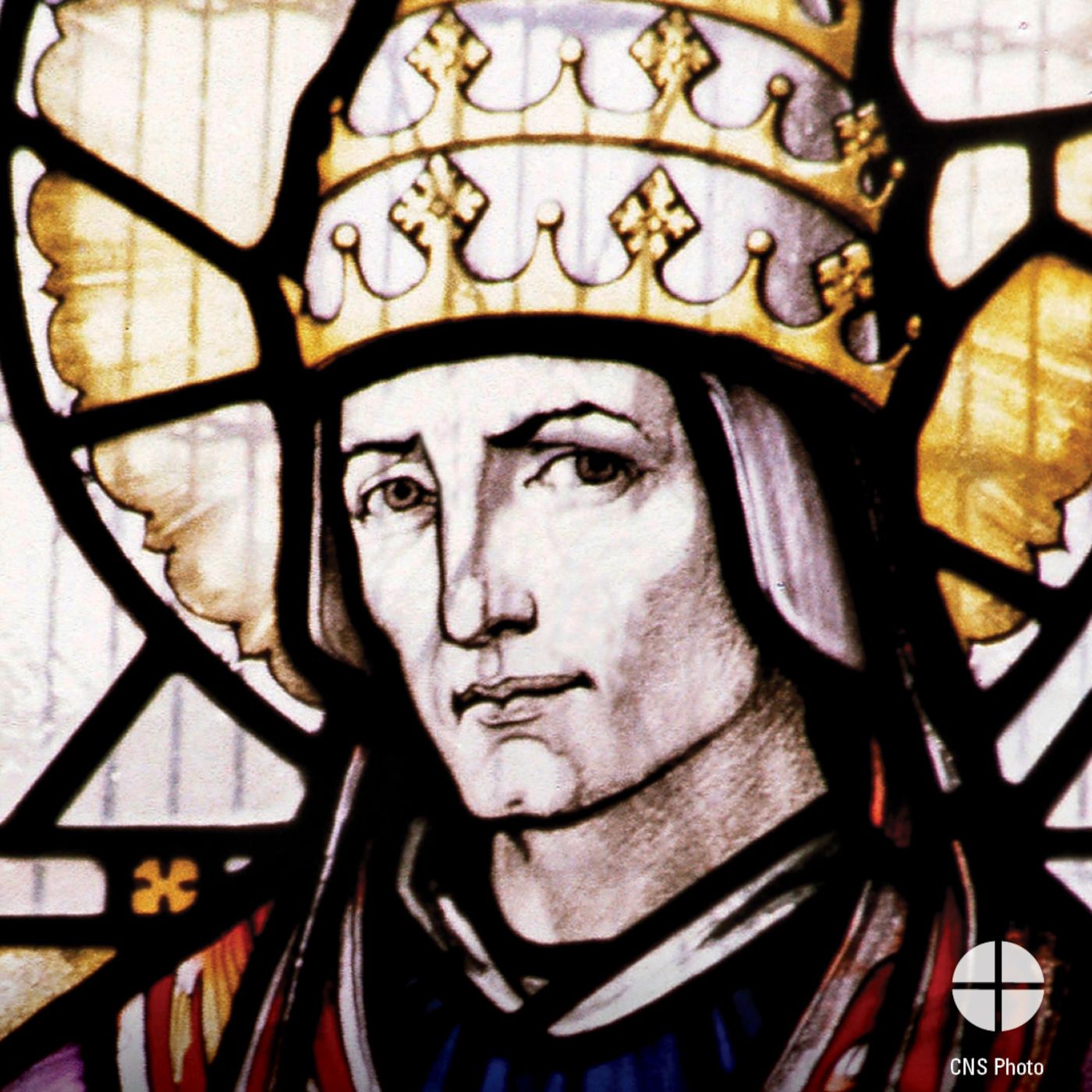
November 23: Saint Clement I, Pope and Martyr
Nov 23, 2026 · 6m
November 23: Saint Clement I, Pope and MartyrFirst CenturyOptional Memorial; Liturgical Color: RedPatron Saint of sailors and marble workersPrimacy more than infallibility, service more than...

November 23: Saint Columban, Abbot
Nov 23, 2026 · 5m
November 23: Saint Columban, Abbotc.543–615Optional Memorial; Liturgical Color: WhitePatron Saint of motorcyclists and against floodsHe led the first wave of Irish monks who stormed EuropeThroughout...
Take these sermons with you.
Follow Catholic Saints & Feasts in the Getsermons app to get every new sermon, build playlists, and pick up right where you left off.

