
Catholic Saints & Feasts
May 22: Saint Rita of Cascia, Religious
May 22, 2026 · 5m
Prefer sermons downloaded automatically?
About this sermon
May 22: Saint Rita of Cascia, Religious
c. 1386–1457
Optional Memorial; Liturgical Color: White
Patron Saint of abuse victims, sterility, and difficult marriages
She suffered for two spouses
Rita Lotti gave birth to her first son at the age of twelve. Fortunately the child was not born out of wedlock. Rita’s husband had been chosen for her by her parents, and they married when she was twelve. Throughout eighteen years of marriage, Rita endured her husband’s insults, physical abuse, and infidelity until the loathful man was stabbed to death by one of his many enemies. Rita pardoned her husband’s killers and impeded her two sons from avenging their father’s death. Marriage ends with death, so Rita was free after her husband’s passing to satisfy a holy desire of her youth and entered an Augustinian convent. The leadership of the local Augustinians was reluctant to admit Rita, however, because she was not a virgin. Despite wide precedence for widows entering religious life, Rita was compelled to wait a number of years before receiving the habit.
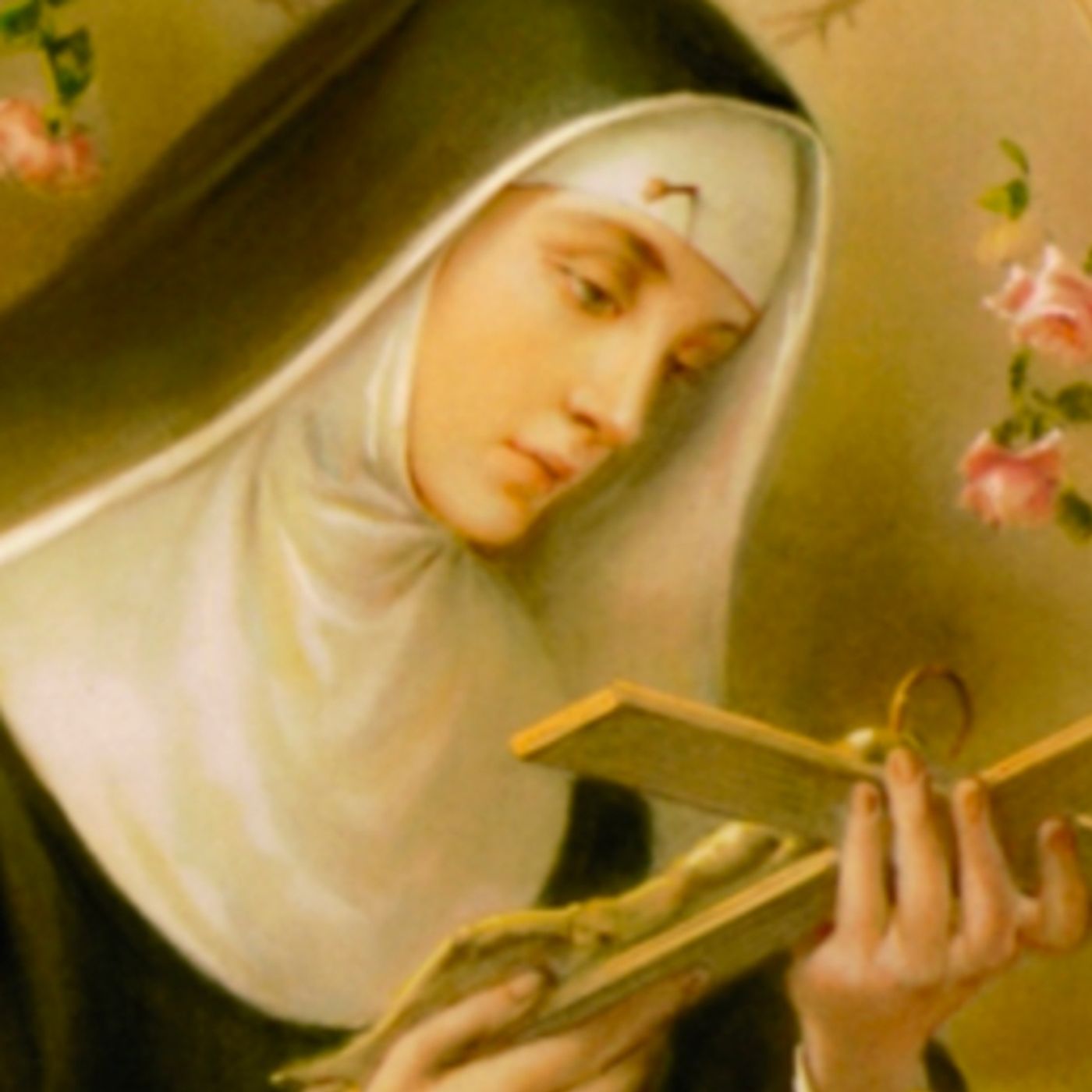
Rita was a model nun who lived to the fullest the spiritual requirements of her age. She was obedient, generously served the sick of the convent, and shared her wisdom of human nature, especially regarding marital distress, with the lay women who sought her out. Sister Rita was also devoted to prayer and meditated so deeply on the Passion of our Lord that she experienced a mini-stigmata. Instead of open wounds in her hands oozing blood, as Saint Francis and Saint Padre Pio displayed, a small wound appeared on Rita’s forehead. It was as if a thorn from Christ’s crown had penetrated the tightly wrapped flesh on her skull. There was no thorn visible, of course, just as no nails or spears pierced the bodies of other stigmatists. Rita’s wound refused to heal for a number of years. The unique statue, or image, showing a nun with a thorn stuck in her forehead is Saint Rita, making her one of the most easily identifiable people on the calendar of Catholic saints.
After Saint Rita died of natural causes, her body did not deteriorate. She was placed in an ornate tomb, her extraordinary holiness was attested to in writing, and healing miracles were petitioned for and soon granted through her intercession. These many cures led to Rita’s beatification in 1626 and her canonization in 1900. Leathery black skin still covers Saint Rita‘s habited body as she peacefully reposes in a glass coffin in her shrine in Cascia, Italy. She is invoked as a kind of female Saint Jude, a patroness of impossible causes, particularly those related to the difficult vocation of marriage.
Saint Rita was both a physical and a spiritual mother. She was a spouse of Christ—a perfect man, and of her husband—a flawed man. She knew intimately the vocation both to religious and to married life, giving her a certain status, or credibility, with both consecrated and married women, which few others saints enjoy. Rita’s dual vocation has given her a dual attraction, which is likely the cause of her fame and the continued devotion to her so many centuries after her death. In many ways, her life in the convent was not remarkable, except for the stigmata. There were surely many other nuns in Rita’s era and region whose virtue and prayerfulness stood out. Yet for reasons known to God alone and which are therefore sufficient, this nun, among so many others who brimmed with holiness, is still visited in her shrine, still invoked, and still thanked for the favors that she continues to rain down from her place in heaven.
Saint Rita, through your intercession, aid all women in difficult marriages and abusive situations. Help women in distress to think rationally, to be faithful to their husbands if possible, to be devoted to their vows if they are able, and yet to flee if they are in danger.
More from Catholic Saints & Feasts

4th Thursday in November: Thanksgiving Day (U.S.A.)
Nov 26, 2026 · 6m
Fourth Thursday in November: Thanksgiving Day (U.S.A.) Optional Memorial; Liturgical Color: White Life is a gift replete with countless gifts It’s 1542, and the Spanish Franciscan Juan de Padilla, a...
November 25: Saint Catherine of Alexandria, Virgin and Martyr
Nov 25, 2026 · 6m
November 25: Saint Catherine of Alexandria, Virgin and Martyrc. Late third–early fourth centuriesOptional Memorial; Liturgical Color: RedPatron Saint of philosophers, apologists, and all who work with...
November 24: Saint Andrew Dũng-Lac, Priest, and Companions, Martyrs
Nov 24, 2026 · 6m
November 24: Saint Andrew Dũng-Lac, Priest, and Companions, Martyrs1795–1839; Seventeenth–Nineteenth CenturiesMemorial; Liturgical Color: RedPatron Saints of VietnamThousands of priests and converts...
November 23: Blessed Miguel Agustín Pro, Priest and Martyr (U.S.A.)
Nov 23, 2026 · 7m
November 23: Blessed Miguel Agustín Pro, Priest and Martyr (U.S.A.)1891–1927Optional Memorial; Liturgical Color: RedThe proto-martyr of the age of the imageThe emaciated holocaust survivor behind...
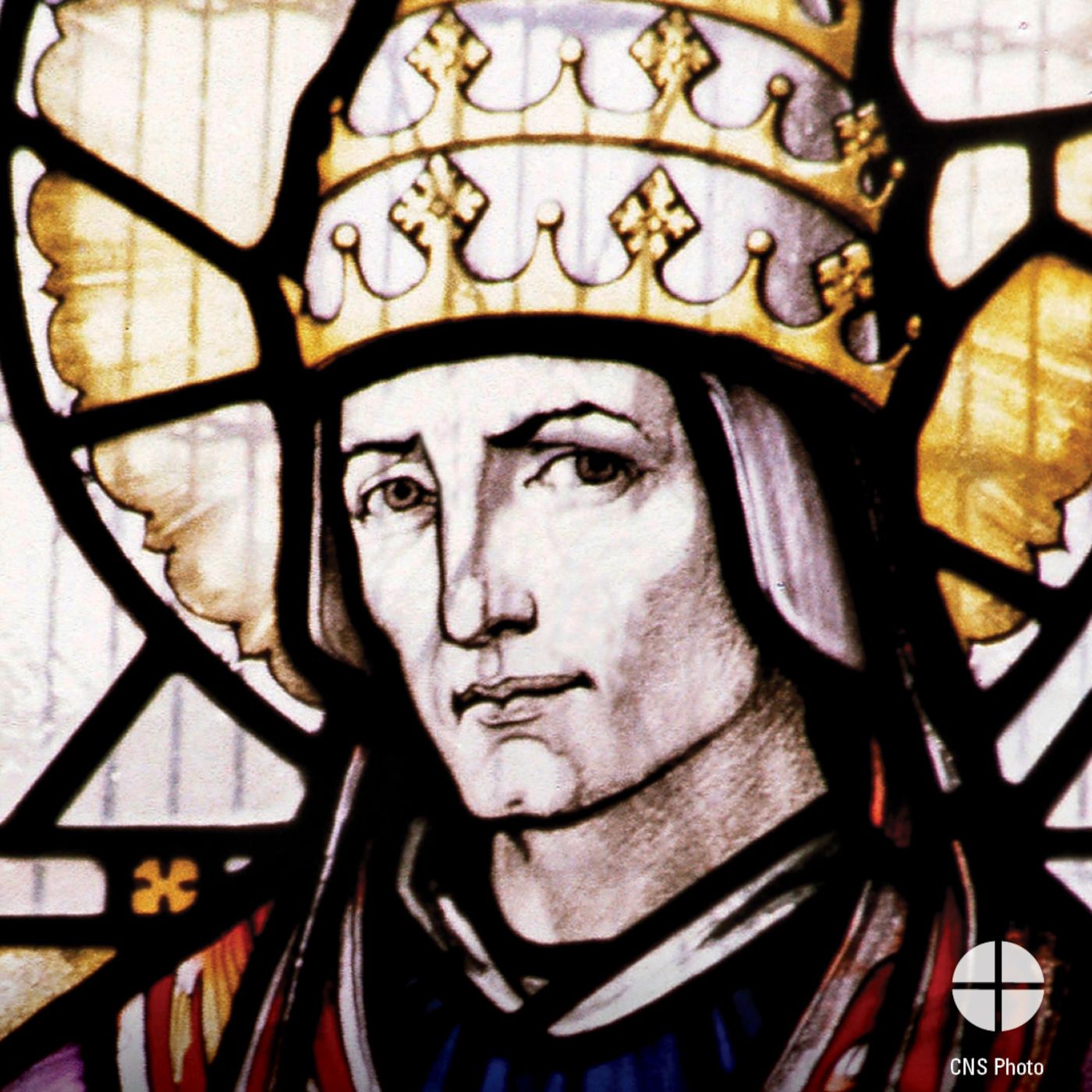
November 23: Saint Clement I, Pope and Martyr
Nov 23, 2026 · 6m
November 23: Saint Clement I, Pope and MartyrFirst CenturyOptional Memorial; Liturgical Color: RedPatron Saint of sailors and marble workersPrimacy more than infallibility, service more than...

November 23: Saint Columban, Abbot
Nov 23, 2026 · 5m
November 23: Saint Columban, Abbotc.543–615Optional Memorial; Liturgical Color: WhitePatron Saint of motorcyclists and against floodsHe led the first wave of Irish monks who stormed EuropeThroughout...
Take these sermons with you.
Follow Catholic Saints & Feasts in the Getsermons app to get every new sermon, build playlists, and pick up right where you left off.

