
Catholic Saints & Feasts
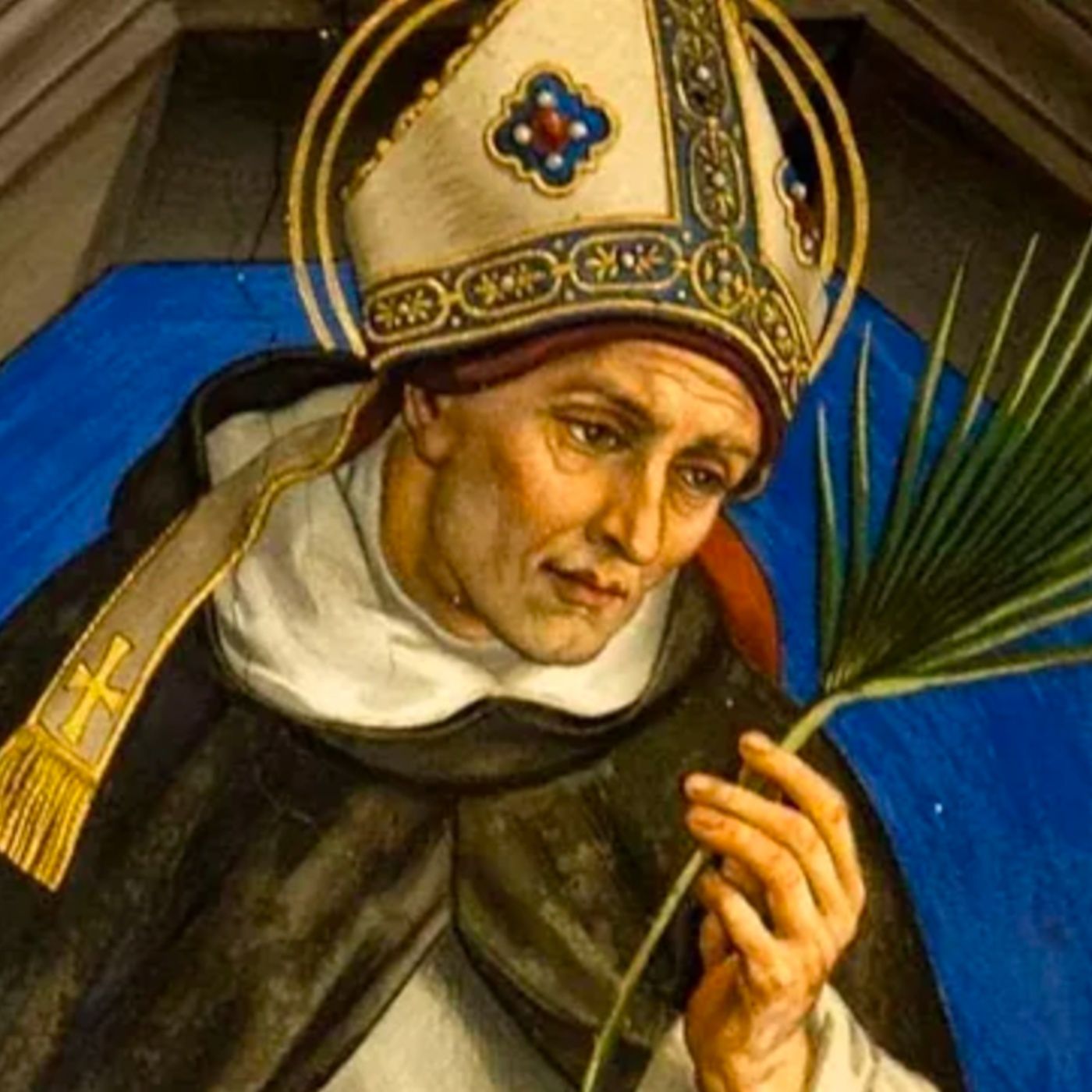
November 15: Saint Albert the Great, Bishop and Doctor
Nov 15, 2026 · 5m
Prefer sermons downloaded automatically?
About this sermon
November 15: Saint Albert the Great, Bishop and Doctor
c. 1206–1280
Optional Memorial; Liturgical Color: White
Patron Saint of natural scientists
He knew everything, taught Aquinas, and placed his complex mind at the Church’s service
Saint Francis de Sales wrote that the knowledge of the priest is the eighth Sacrament of the Church. If that is true, then today’s saint was a sacrament unto himself. There was little that Saint Albert did not know and little that he did not teach. His mastery of all the branches of knowledge of his age was so manifest that he was called “The Great” and the “Universal Doctor.”
Albert was born in Germany and educated in Italy. During his university studies, he was introduced to the recently founded Dominican Order and joined their brotherhood. While continuing his long course of formal studies, Albert was sent by his superiors to teach in Germany. He spent twenty years as a professor in various religious houses and universities until he finally obtained his degree and began to teach as a master in 1248. His most famous student was the Italian Dominican Thomas Aquinas, whose rare intellectual gifts Albert recognized and cultivated. Albert was also made the Prior of a Dominican Province in Germany, was a personal theologian and canonist to the Pope, preached a Crusade in Germany, and was appointed the Bishop of Regensburg for less than two years before resigning. Albert was neither ruthless nor politically minded, and the complex web of elites who had interests in his diocese required a bishop to display a sensitivity to power relationships which was not among Albert’s skills.
After his short time as a diocesan bishop, Albert spent the rest of his life teaching in Cologne, punctuated by travels to the Second Council of Lyon in 1274 and to Paris in 1277 to defend Aquinas from his theological enemies. Albert’s complete works total thirty-eight volumes on virtually every field of knowledge known to his age: scripture, philosophy, astronomy, physics, mathematics, theology, spirituality, mineralogy, chemistry, zoology, biology, justice, and law. Albert’s assiduous study of animals, plants, and nature was groundbreaking, and he debunked reigning myths about various natural phenomena through close personal observation. He devoured all the works of Aristotle and organized and distilled their content for his students, re-introducing the great Greek philosopher to the Western world forever and always. This life-long project of philosophical commentary was instrumental in grounding subsequent Catholic theological research on a wide and sturdy platform of critical thinking, which has been a hallmark of Catholic intellectual life ever since.
Albert’s comprehensive approach to all knowledge contributed to the flourishing of the nascent twelfth-century institutions of learning known as universities. The “uni” in university implied that all knowledge was centered around one core knowledge—that of God and His Truth. The modern understanding is that a “multiversity” is merely an administrative forum in which numerous branches of knowledge spread out in pursuit of their separate truths unhinged from any central focus or purpose.
Saint Albert’s prodigious mind never ceased to be curious. Every bit of knowledge which he culled led him to gather even more. His encyclopedic knowledge embraced reality itself as one sustained instance of God loving the world. No bifurcation, no subcategories, no “my truth” and no “your truth.” God was real and God was knowable. Reality and Truth were one for Albert and his era, and autonomous reason could be trusted to lead the honest, rational seeker to those eternal verities. Albert was beatified in 1622 and was canonized and named a Doctor of the Church in 1931.
Saint Albert the Great, your knowledge of the sacred and physical sciences understood God as a total reality. Through your divine intercession, help the faithful to see reality not as divided but as an expression of the Trinitarian God, a knowable person who is accessible to reason.
More from Catholic Saints & Feasts

4th Thursday in November: Thanksgiving Day (U.S.A.)
Nov 26, 2026 · 6m
Fourth Thursday in November: Thanksgiving Day (U.S.A.) Optional Memorial; Liturgical Color: White Life is a gift replete with countless gifts It’s 1542, and the Spanish Franciscan Juan de Padilla, a...
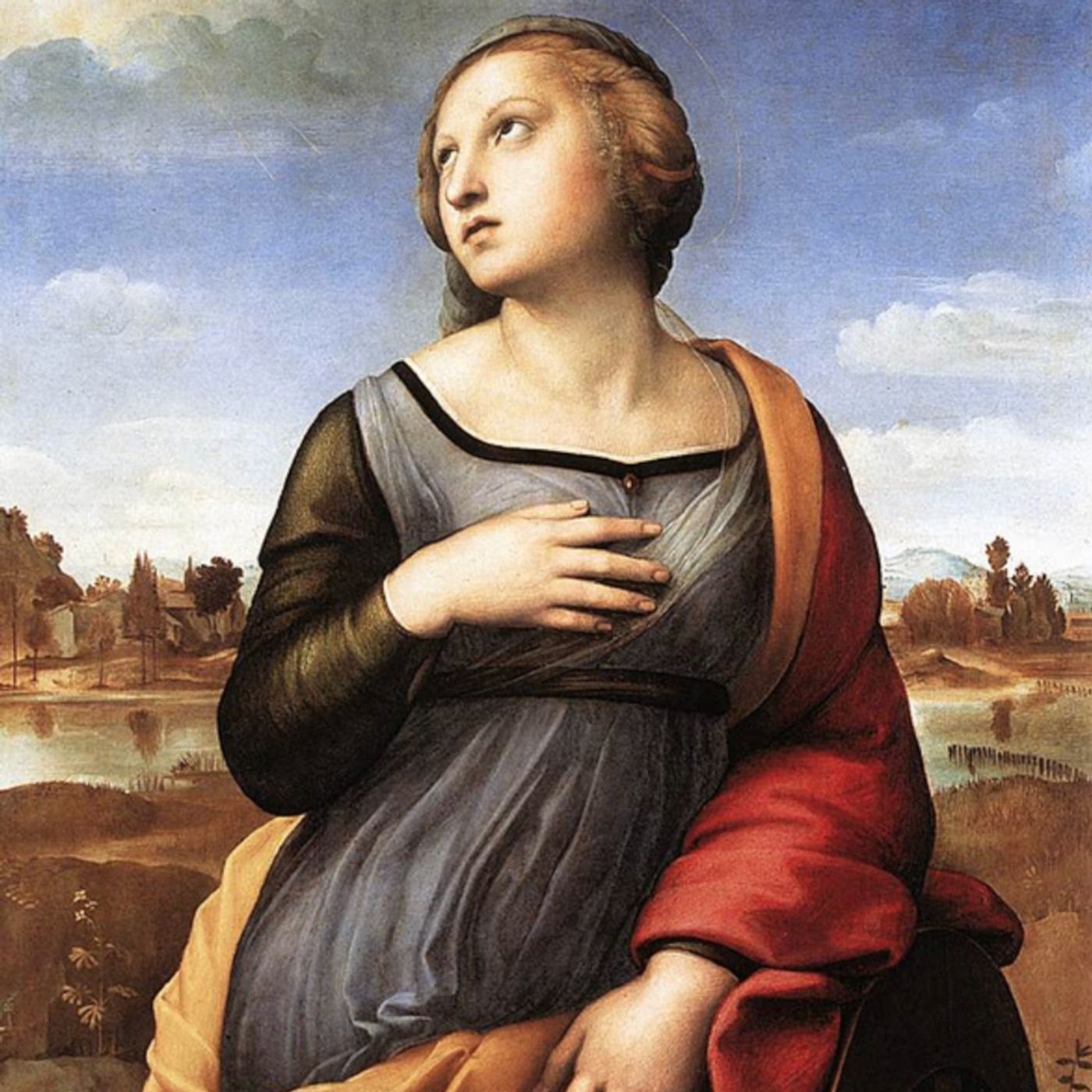
November 25: Saint Catherine of Alexandria, Virgin and Martyr
Nov 25, 2026 · 6m
November 25: Saint Catherine of Alexandria, Virgin and Martyrc. Late third–early fourth centuriesOptional Memorial; Liturgical Color: RedPatron Saint of philosophers, apologists, and all who work with...
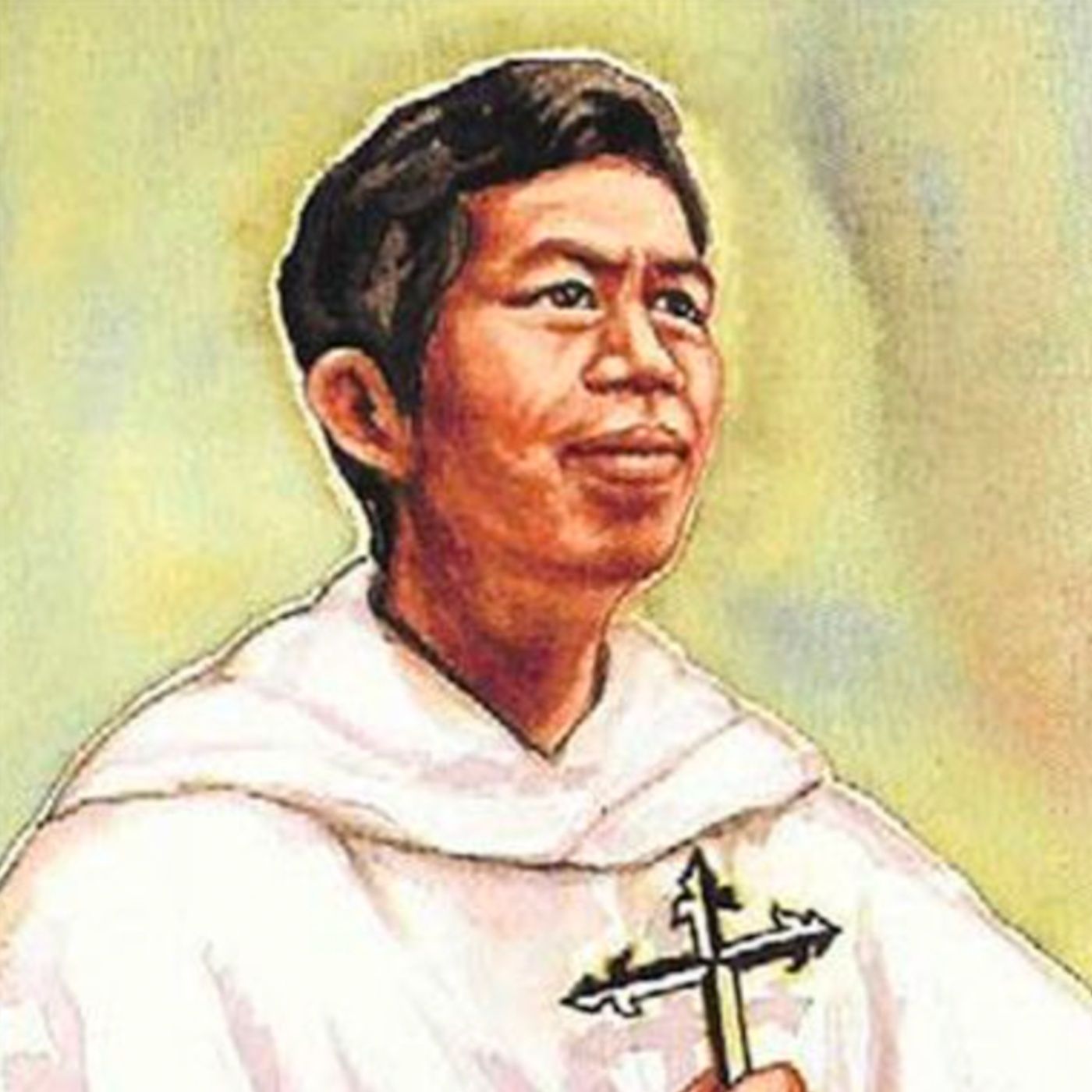
November 24: Saint Andrew Dũng-Lac, Priest, and Companions, Martyrs
Nov 24, 2026 · 6m
November 24: Saint Andrew Dũng-Lac, Priest, and Companions, Martyrs1795–1839; Seventeenth–Nineteenth CenturiesMemorial; Liturgical Color: RedPatron Saints of VietnamThousands of priests and converts...
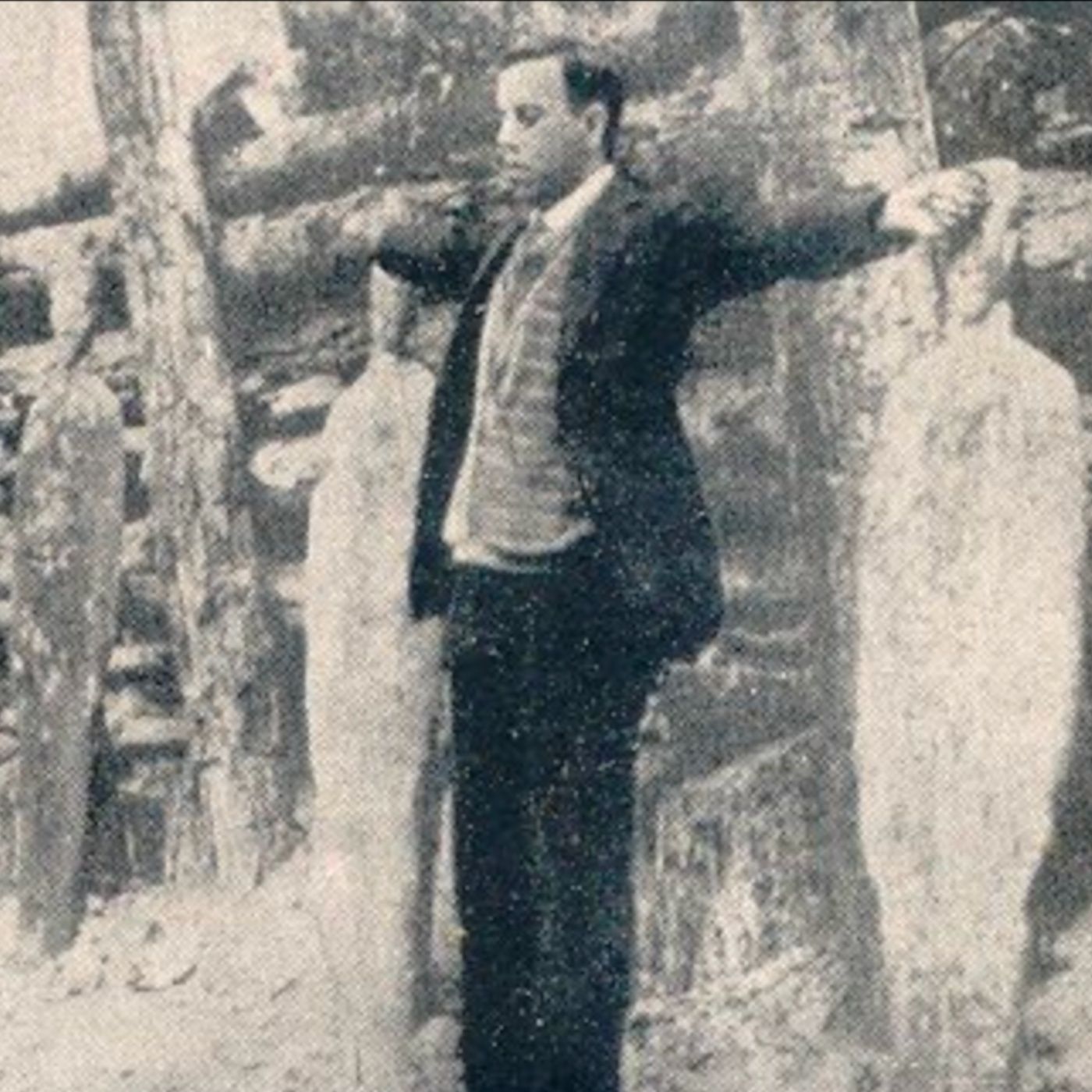
November 23: Blessed Miguel Agustín Pro, Priest and Martyr (U.S.A.)
Nov 23, 2026 · 7m
November 23: Blessed Miguel Agustín Pro, Priest and Martyr (U.S.A.)1891–1927Optional Memorial; Liturgical Color: RedThe proto-martyr of the age of the imageThe emaciated holocaust survivor behind...
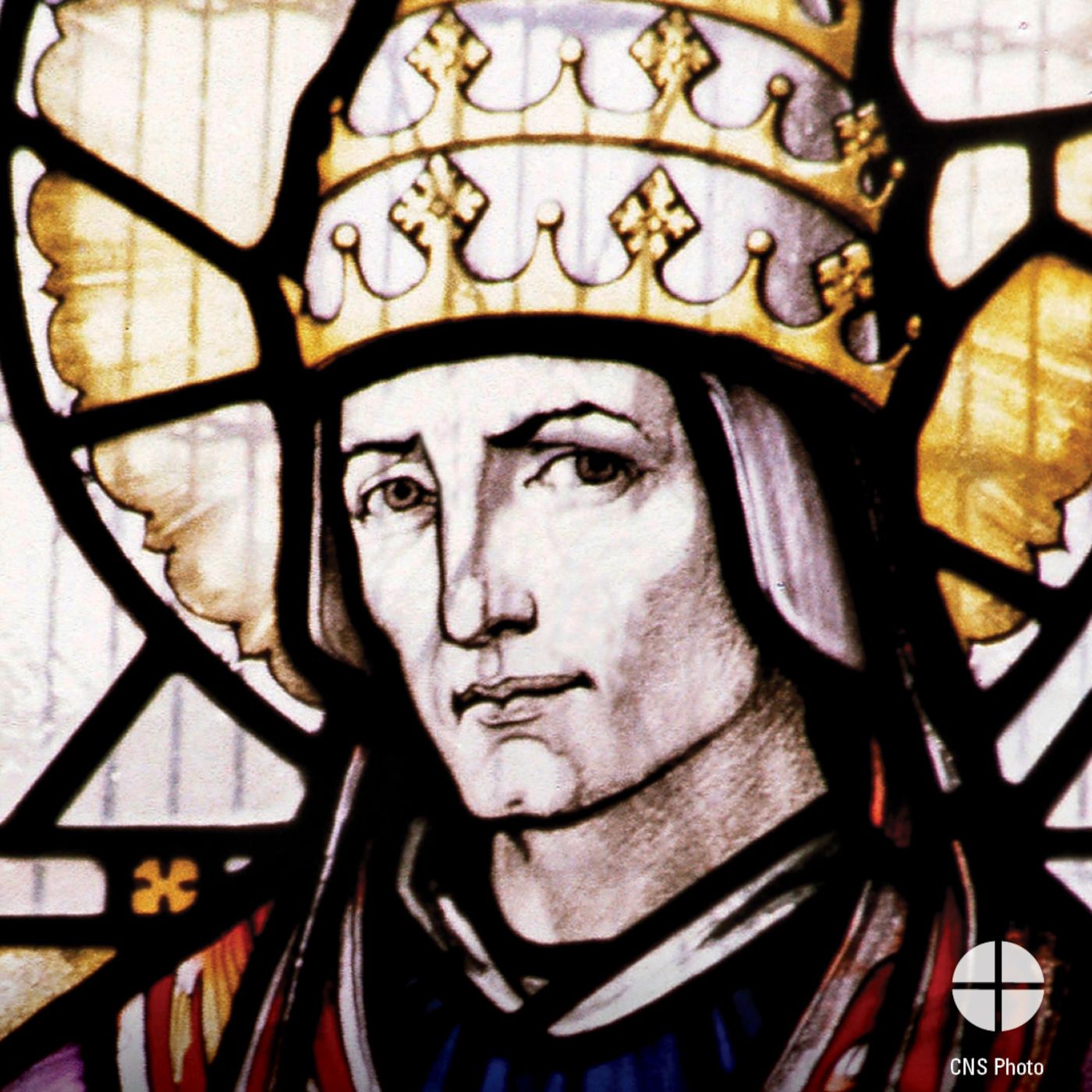
November 23: Saint Clement I, Pope and Martyr
Nov 23, 2026 · 6m
November 23: Saint Clement I, Pope and MartyrFirst CenturyOptional Memorial; Liturgical Color: RedPatron Saint of sailors and marble workersPrimacy more than infallibility, service more than...

November 23: Saint Columban, Abbot
Nov 23, 2026 · 5m
November 23: Saint Columban, Abbotc.543–615Optional Memorial; Liturgical Color: WhitePatron Saint of motorcyclists and against floodsHe led the first wave of Irish monks who stormed EuropeThroughout...
Take these sermons with you.
Follow Catholic Saints & Feasts in the Getsermons app to get every new sermon, build playlists, and pick up right where you left off.

