
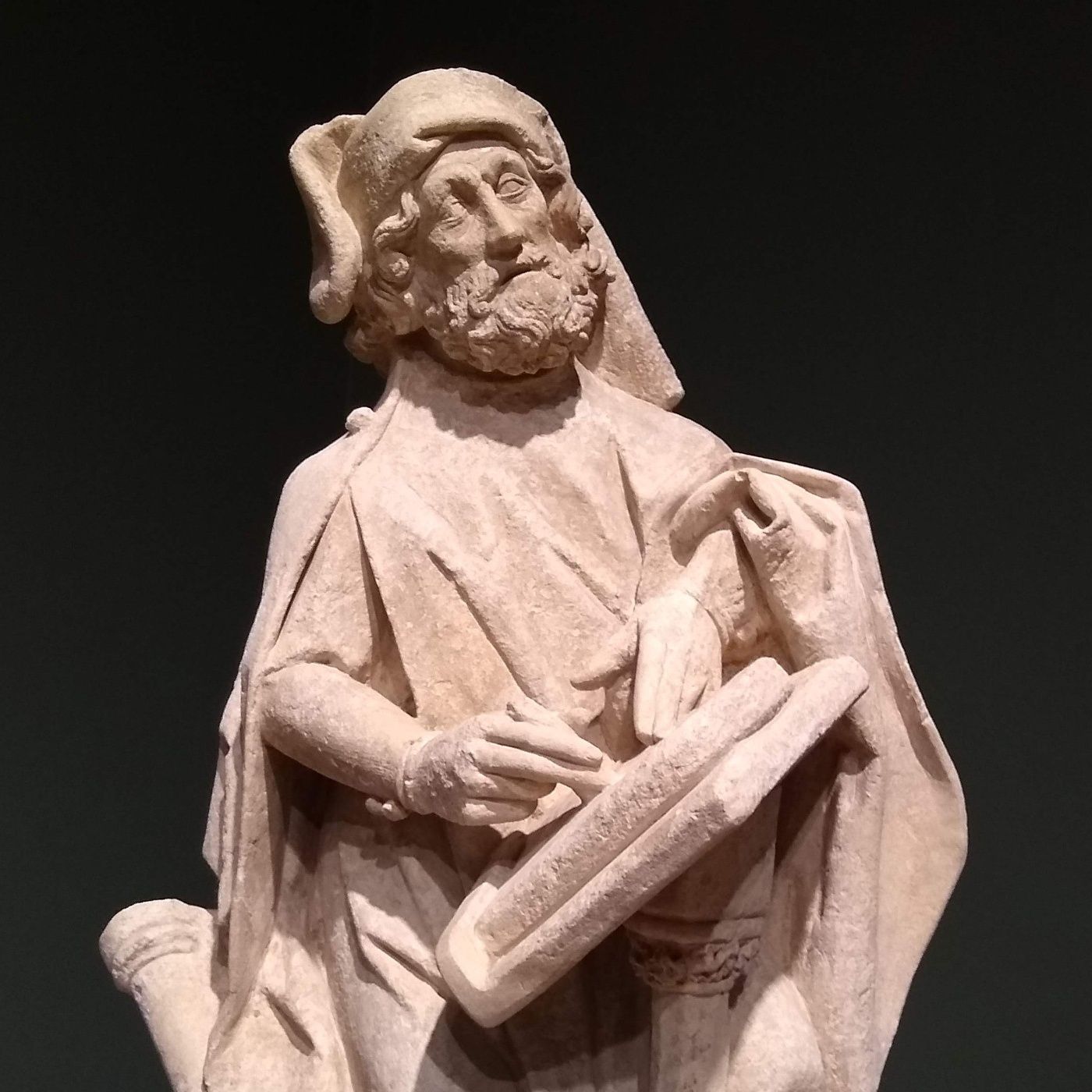
Catholic Saints & Feasts
October 18: Saint Luke, Evangelist
Oct 17, 2026 · 6m
Prefer sermons downloaded automatically?
About this sermon
October 18: Saint Luke, Evangelist
First Century
Feast; Liturgical Color: Red
Patron Saint of artists, physicians, and surgeons
A disciple of Christ gives the Church two foundational works
Saint Luke was one of the four Evangelists but not one of the Twelve Apostles. Like Saint Mark, Luke was not among that select group who walked step by step alongside Jesus as he journeyed through Palestine. Luke was more likely a disciple of Saint Paul, who mentions a Luke who accompanies him on his missionary journeys. Little is known with certainty of Luke’s life. What is known is that he wrote the Gospel of Luke and the Acts of the Apostles—over a quarter of the New Testament. The two volumes of Luke and Acts are foundational works for knowing Jesus Christ and the early Church. The third Gospel does not name its author and does not even claim to be an eye-witness account. But the earliest known manuscripts of the third Gospel are attributed to Luke, and even Saint Irenaeus of Lyon, writing in the late second century, names Luke as its author.
Every one of the four Gospels has a unique perspective, is written for a specific audience, and relates certain details and stories the other Gospels do not. Saint Luke likely wrote for a non-Jewish crowd. He translates into the Greek language words that the other Gospels leave in their original language, a hint that Luke’s readers were non-Jews who could not read Hebrew and Aramaic. Luke alone tells the story of Lazarus and the rich man who repents of having ignored him. To Luke alone do we owe our knowledge of the Incarnation. It is as if he is just behind the young Mary in the room when the Archangel Gabriel announces that she will be the Mother of God. Only Luke writes down the Virgin’s Magnificat and gives us the scriptural basis for the "Hail Mary.” Yet in all of this, Luke himself does not appear. He must have been humble, because he recedes into the crowd while the whole cast of the Gospel climbs on stage.
Luke’s Acts of the Apostles is a diary of the very early Church. Acts is often told from a first-person perspective with the use of the word “we.” Without this journal there would be yawning gaps in our knowledge of the nascent Church. It is to Luke, especially, that we are indebted for our knowledge of Pentecost and the workings of the Holy Spirit on the Apostles. Luke is clearly on Saint Paul’s missionary team and remains at the great evangelist’s side until the bitter end. When Paul is imprisoned in Rome, with his beheading just over the horizon, he is abandoned by all his coworkers save one. From his prison cell, Paul writes "Only Luke is with me" (2 Tm 4:11).
Saint Augustine writes in the Confessions that the present tense of past things is called memory. The past is not really the past, then, if we remember it accurately. Memory can be ill-used when it carries a grudge and blocks forgiveness, or when it doesn’t let the past recede but allows it to invade the present so forcefully that no one is allowed to grow beyond their worst five minutes. Understood in a healthy way, memory makes the good past live again. When committed to writing, memory makes the past forever present for posterity.
The written Gospels make Christ come alive. Their pages are not Christ in full, as no one can be reduced to just their documentary trace. But the Word made flesh, the Word alive today in heaven, was captured at a certain moment in time by the words of Saint Luke. Christians believe that the Gospels capture the essentials of the life of Jesus Christ which God desires the faithful to know. And when these Gospels are read in the light of the living Gospel of the Church and supplemented by the grace of the Sacraments, the witness of the saints, the governance of the hierarchy, and the teachings of the Catechism, we have all that we need to achieve heaven. The Evangelists make the original events of the life of Christ present today. Without these inspired records, God would not cease to be God, but He would certainly be less vivid to us living so many centuries after His Son became man.
Saint Luke, your words preserving the life of Christ make Him knowable and lovable to the world today. Through your intercession in heaven, we ask that the riches of your Gospel, especially your words about the Blessed Mother, may inspire us to be more faithful disciples.
More from Catholic Saints & Feasts

4th Thursday in November: Thanksgiving Day (U.S.A.)
Nov 26, 2026 · 6m
Fourth Thursday in November: Thanksgiving Day (U.S.A.) Optional Memorial; Liturgical Color: White Life is a gift replete with countless gifts It’s 1542, and the Spanish Franciscan Juan de Padilla, a...
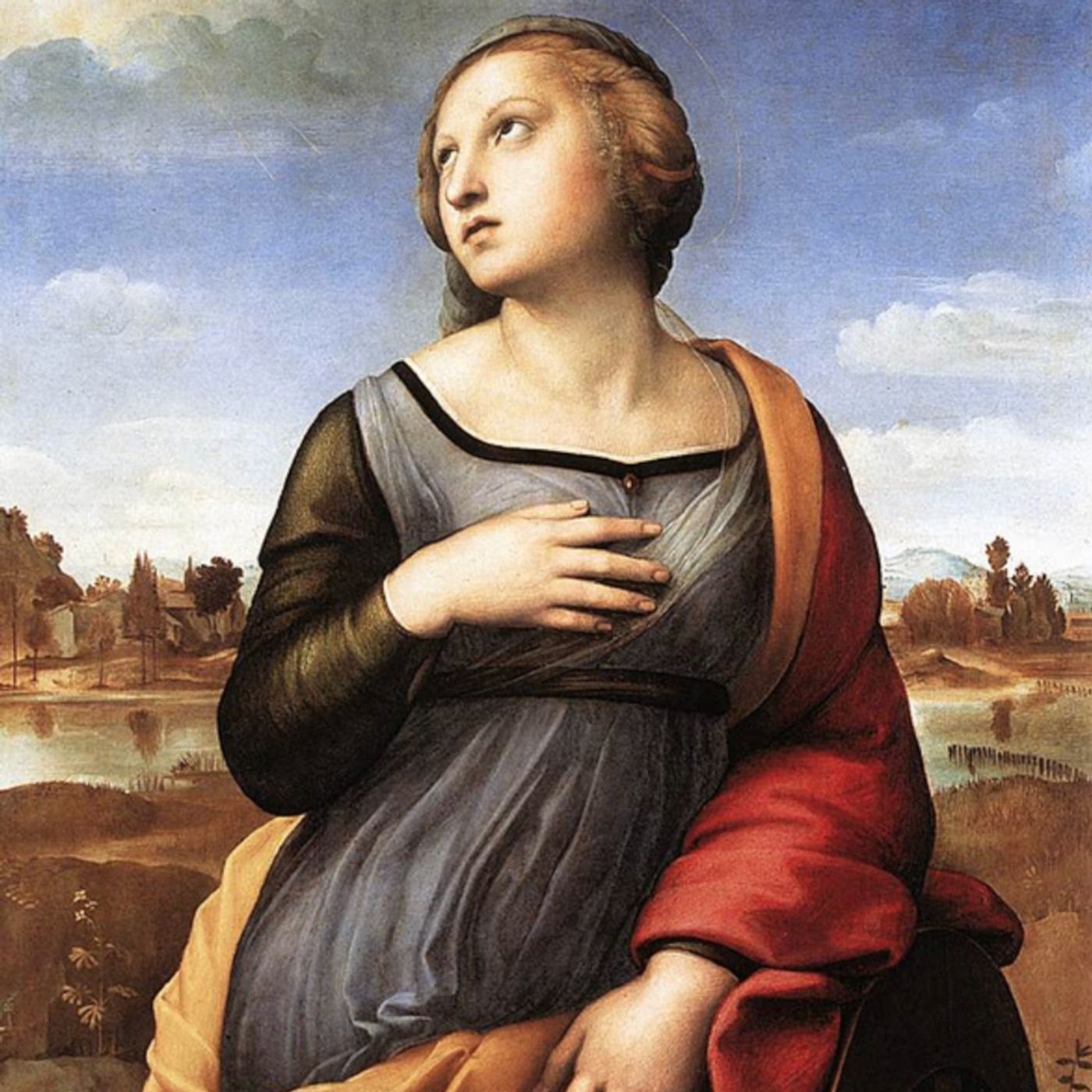
November 25: Saint Catherine of Alexandria, Virgin and Martyr
Nov 25, 2026 · 6m
November 25: Saint Catherine of Alexandria, Virgin and Martyrc. Late third–early fourth centuriesOptional Memorial; Liturgical Color: RedPatron Saint of philosophers, apologists, and all who work with...
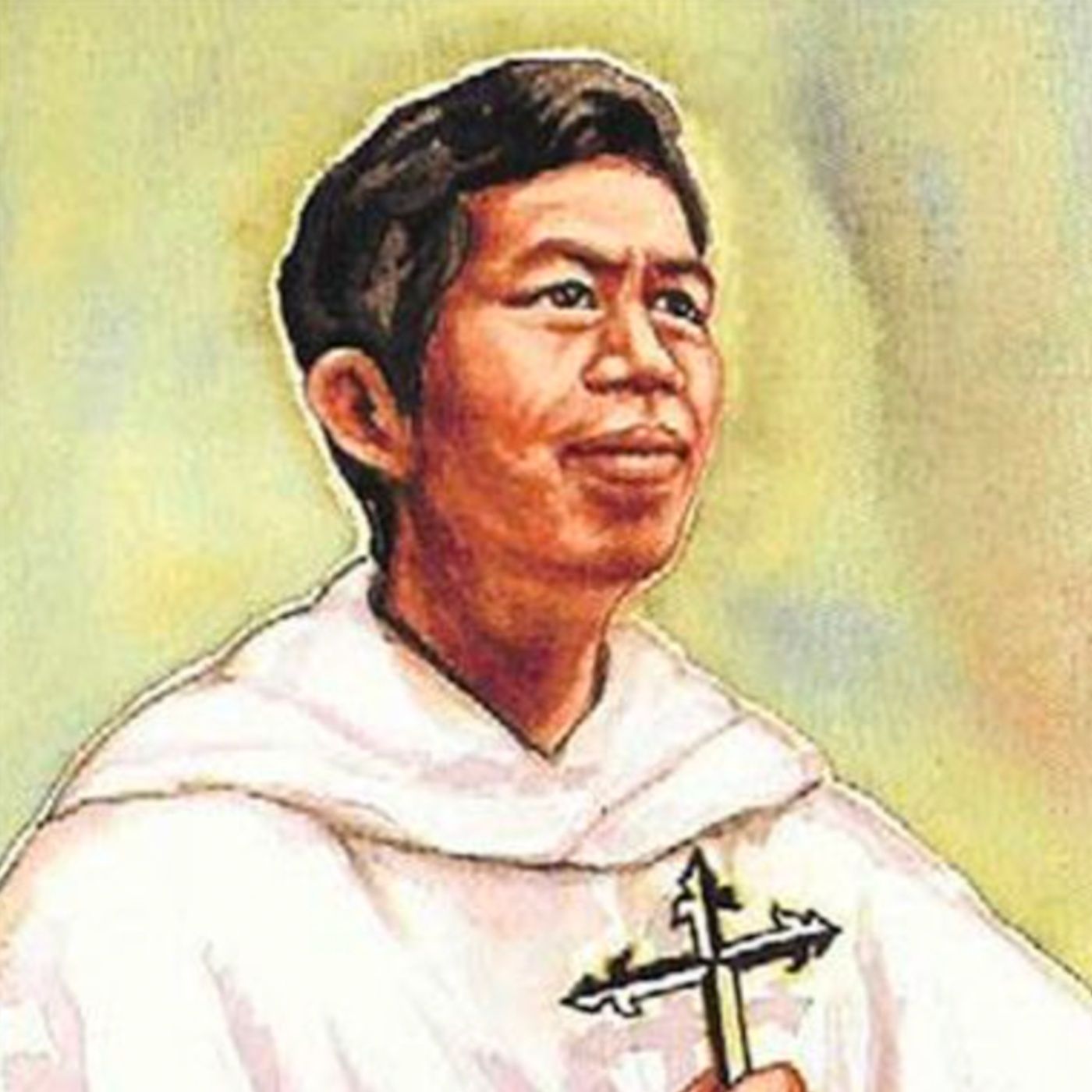
November 24: Saint Andrew Dũng-Lac, Priest, and Companions, Martyrs
Nov 24, 2026 · 6m
November 24: Saint Andrew Dũng-Lac, Priest, and Companions, Martyrs1795–1839; Seventeenth–Nineteenth CenturiesMemorial; Liturgical Color: RedPatron Saints of VietnamThousands of priests and converts...
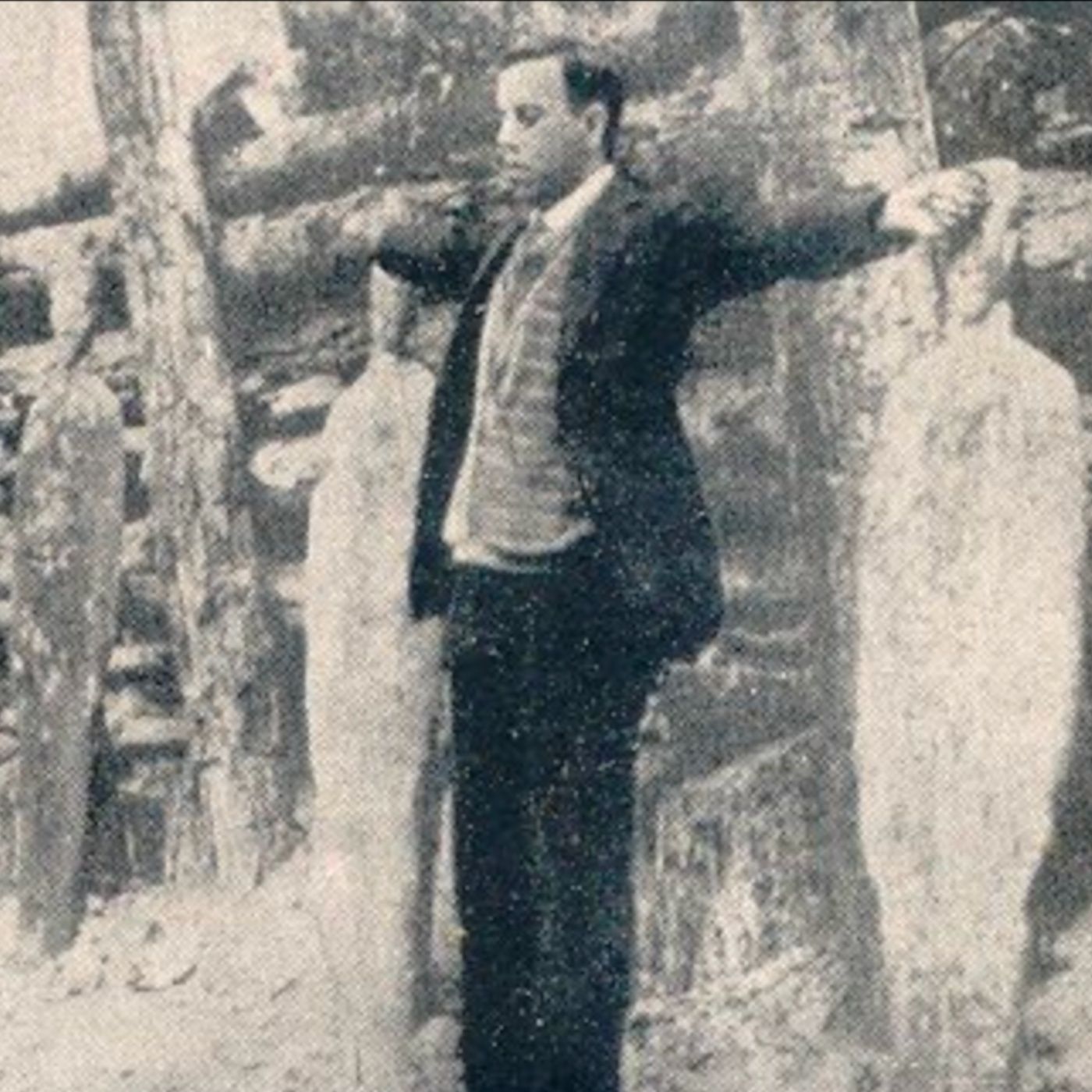
November 23: Blessed Miguel Agustín Pro, Priest and Martyr (U.S.A.)
Nov 23, 2026 · 7m
November 23: Blessed Miguel Agustín Pro, Priest and Martyr (U.S.A.)1891–1927Optional Memorial; Liturgical Color: RedThe proto-martyr of the age of the imageThe emaciated holocaust survivor behind...
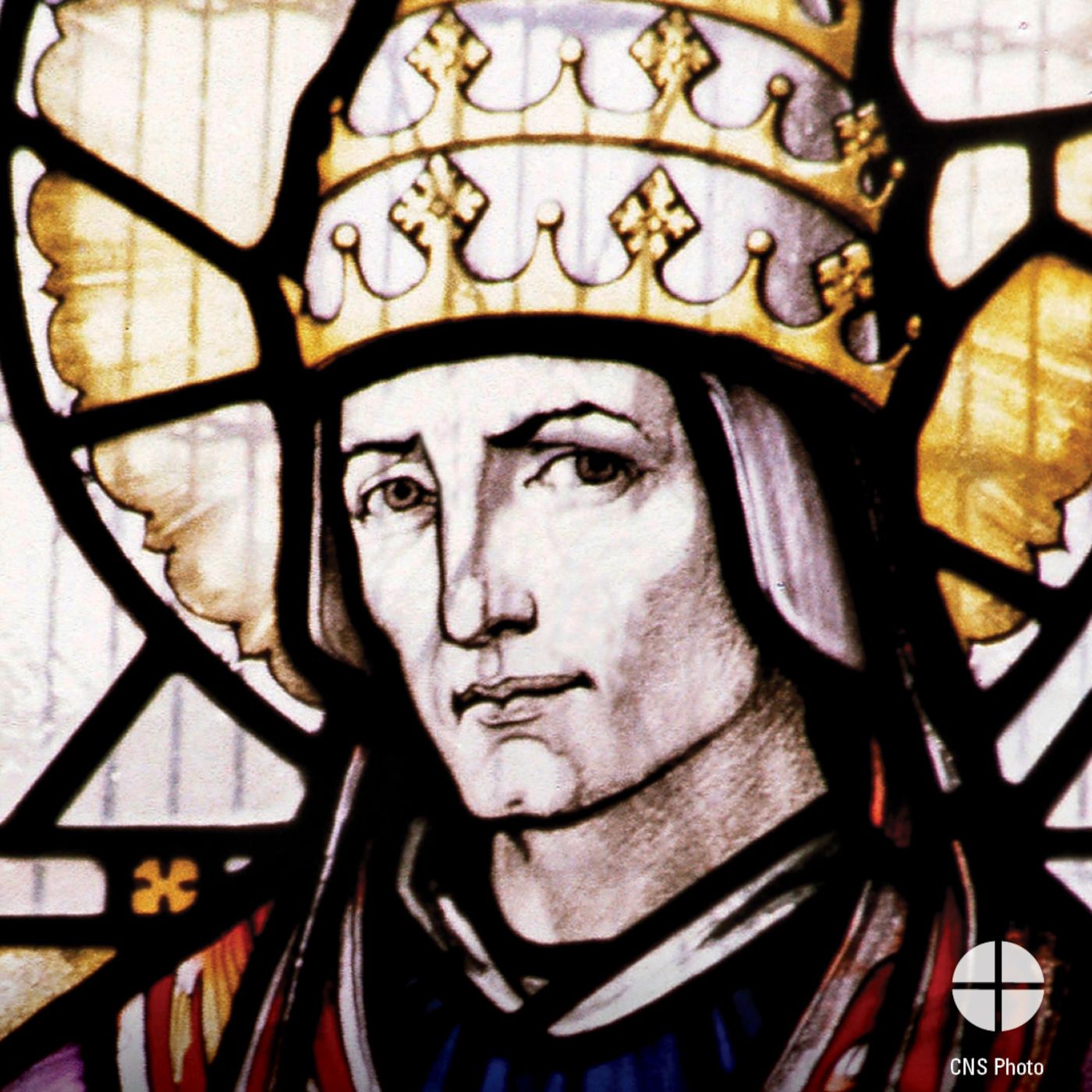
November 23: Saint Clement I, Pope and Martyr
Nov 23, 2026 · 6m
November 23: Saint Clement I, Pope and MartyrFirst CenturyOptional Memorial; Liturgical Color: RedPatron Saint of sailors and marble workersPrimacy more than infallibility, service more than...

November 23: Saint Columban, Abbot
Nov 23, 2026 · 5m
November 23: Saint Columban, Abbotc.543–615Optional Memorial; Liturgical Color: WhitePatron Saint of motorcyclists and against floodsHe led the first wave of Irish monks who stormed EuropeThroughout...
Take these sermons with you.
Follow Catholic Saints & Feasts in the Getsermons app to get every new sermon, build playlists, and pick up right where you left off.

