
Catholic Saints & Feasts
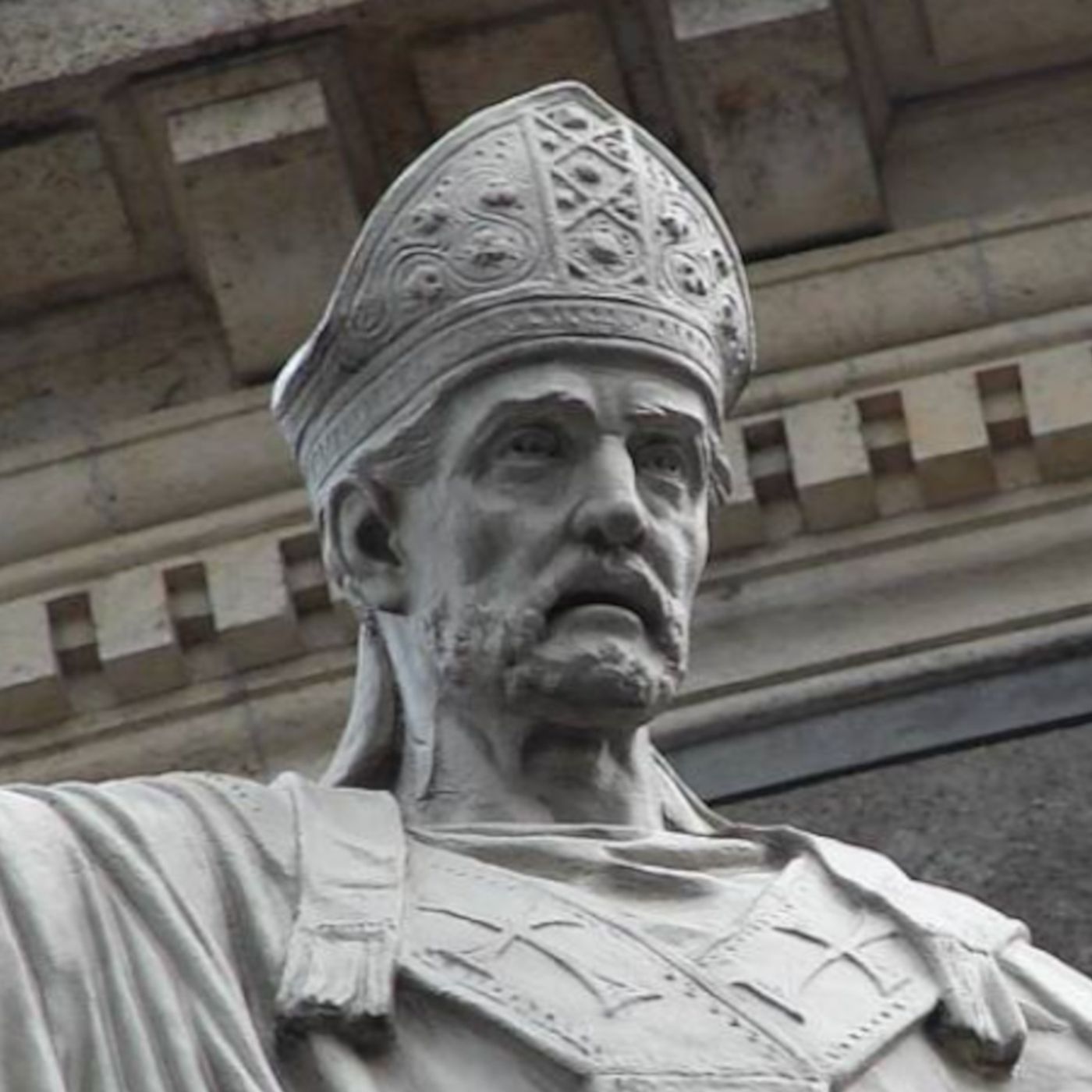
September 13: Saint John Chrysostom, Bishop and Doctor
Sep 13, 2026 · 5m
Prefer sermons downloaded automatically?
About this sermon
September 13: Saint John Chrysostom, Bishop and Doctor
c. 347–407
Memorial; Liturgical Color: White
Patron Saint of preachers and speakers
A great preacher, writer, and intellectual suffers for the faith
In the tug and pull of the theological disputes of the fourth and fifth centuries, today’s saint was a seminal figure. Along with other luminaries such as Saints Ambrose, Athanasius, Hilary, Basil and many others, he tunneled deep into Scripture and the existing Christian tradition to carve out what is today known as the deposit of faith. Saint John Chrysostom was from Antioch, that “Metropolis of heresy” in Saint John Henry Newman’s words, where Arianism was bred, incubated, thrived, and died in the period between the Council of Nicea in 325 and the Council of Constantinople in 381.
John received an excellent education in the liberal arts and was baptized at the age of eighteen, in keeping with the custom of adult baptism common to his era. He joined a rustic group of hermits in the hills outside of his hometown in his mid-twenties. The conditions were so physically and psychologically brutal, though, that he left after seven years. Living always isolated and mortified would not be his path. He was ordained a priest in 386. His bishop recognized his gifts and put him in charge of the physical and pastoral care of the poor of Antioch, a ministry in which he honed his natural gifts as a preacher. He was so skillful in preaching that he was given, a century after his death, the title of chrysostom or “golden mouth.” John’s theological acumen was no less impressive. His sermons and letters display a refined understanding of the intricacies of the Holy Trinity and of the Gospels. His beautiful theological and spiritual reflections are referenced numerous times in the modern Catechism of the Catholic Church.
In 398 Saint John was consecrated the Archbishop of Constantinople, the New Rome, provoking jealousy among some contemporaries. John did himself no favors by his overaggressive reforms as Archbishop. He bluntly criticized women for wearing make-up, Christians for attending races and games on holy days, the imperial court for its extravagances, and the clergy for their laxity and wealth-seeking. Recriminations soon followed. He was falsely charged with treason and other crimes and was exiled in 402. He was reinstated after an earthquake in Constantinople was interpreted as divine punishment for his banishment. But John was exiled a second time shortly thereafter. Like other saints, his time of exile proved fruitful. He wrote numerous letters, specifically to bishops in the Western Empire, including the pope. But also like other exiled popes and bishops, assertions of support were only as sturdy as the paper on which they were written. Practical help never materialized.
John died in exile in 407, a victim of cold, rain, a forced march and lack of food. Within a decade after his death, his reputation was restored by the pope, and his remains were transferred for burial in Constantinople. He was recognized as a Father of the Church at the Council of Chalcedon in 451 and declared a Doctor of the Church in 1568.
Saint John suffered for his zeal. He was exiled by civil power in an age when correct theology was understood as a form of patriotism, and heresy as treason. He crossed the civil powers of his age, did not back down, and paid a severe price for his fidelity. When Crusaders sacked Constantinople in 1204, they stole John’s relics and carried them back to Rome. In 2004 Pope Saint John Paul II authorized the return of some of John’s remains to the seat of the Orthodox Patriarch in Saint George Church in present-day Istanbul, John’s own episcopal city.
Saint John Chrysostom, the heat of your words burned so hot that you were persecuted for your ardor. Inspire all Christian preachers to light a fire of faith in their congregations, without fear for their own reputations or of recrimination.
More from Catholic Saints & Feasts

4th Thursday in November: Thanksgiving Day (U.S.A.)
Nov 26, 2026 · 6m
Fourth Thursday in November: Thanksgiving Day (U.S.A.) Optional Memorial; Liturgical Color: White Life is a gift replete with countless gifts It’s 1542, and the Spanish Franciscan Juan de Padilla, a...
November 25: Saint Catherine of Alexandria, Virgin and Martyr
Nov 25, 2026 · 6m
November 25: Saint Catherine of Alexandria, Virgin and Martyrc. Late third–early fourth centuriesOptional Memorial; Liturgical Color: RedPatron Saint of philosophers, apologists, and all who work with...
November 24: Saint Andrew Dũng-Lac, Priest, and Companions, Martyrs
Nov 24, 2026 · 6m
November 24: Saint Andrew Dũng-Lac, Priest, and Companions, Martyrs1795–1839; Seventeenth–Nineteenth CenturiesMemorial; Liturgical Color: RedPatron Saints of VietnamThousands of priests and converts...
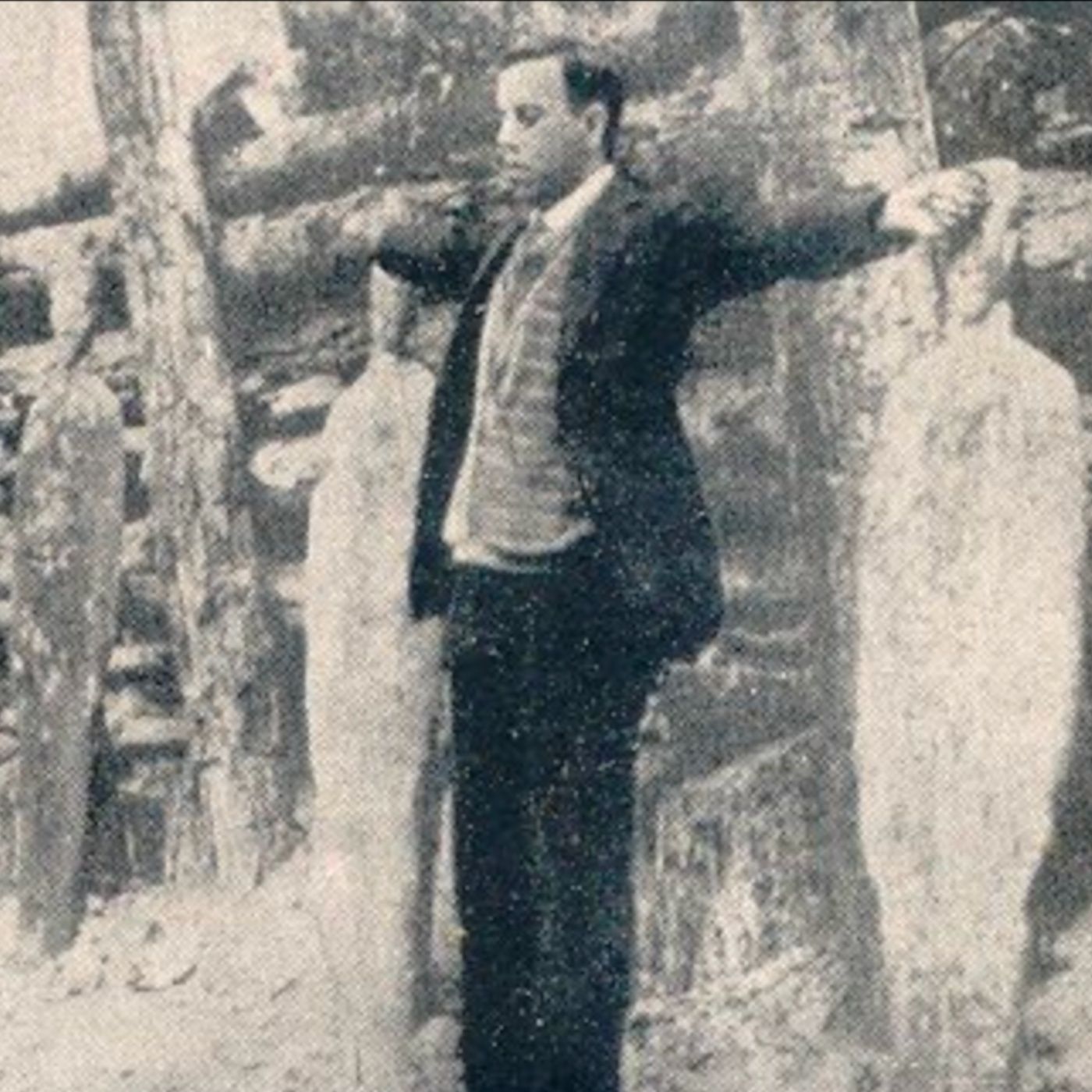
November 23: Blessed Miguel Agustín Pro, Priest and Martyr (U.S.A.)
Nov 23, 2026 · 7m
November 23: Blessed Miguel Agustín Pro, Priest and Martyr (U.S.A.)1891–1927Optional Memorial; Liturgical Color: RedThe proto-martyr of the age of the imageThe emaciated holocaust survivor behind...
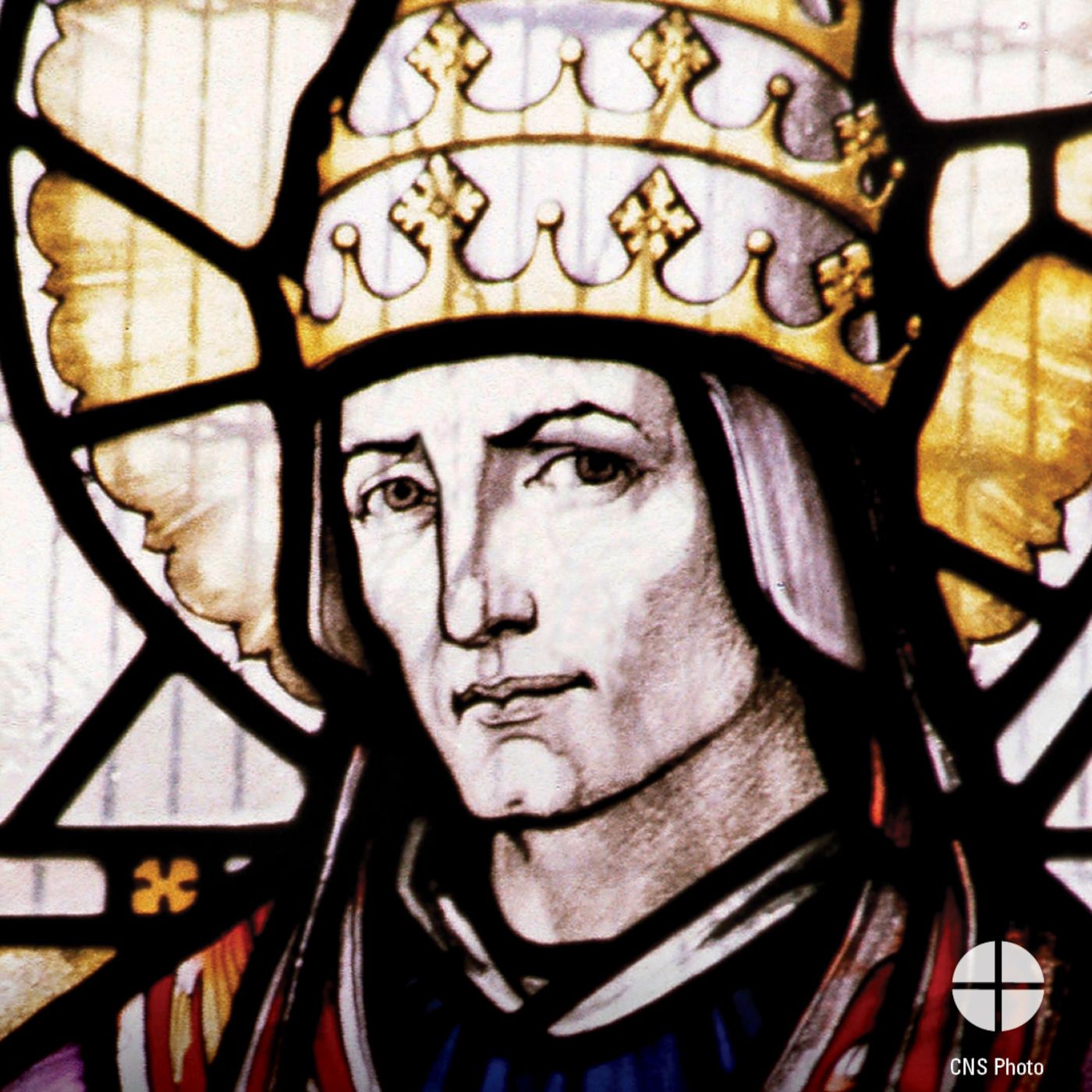
November 23: Saint Clement I, Pope and Martyr
Nov 23, 2026 · 6m
November 23: Saint Clement I, Pope and MartyrFirst CenturyOptional Memorial; Liturgical Color: RedPatron Saint of sailors and marble workersPrimacy more than infallibility, service more than...

November 23: Saint Columban, Abbot
Nov 23, 2026 · 5m
November 23: Saint Columban, Abbotc.543–615Optional Memorial; Liturgical Color: WhitePatron Saint of motorcyclists and against floodsHe led the first wave of Irish monks who stormed EuropeThroughout...
Take these sermons with you.
Follow Catholic Saints & Feasts in the Getsermons app to get every new sermon, build playlists, and pick up right where you left off.

