
Catholic Saints & Feasts
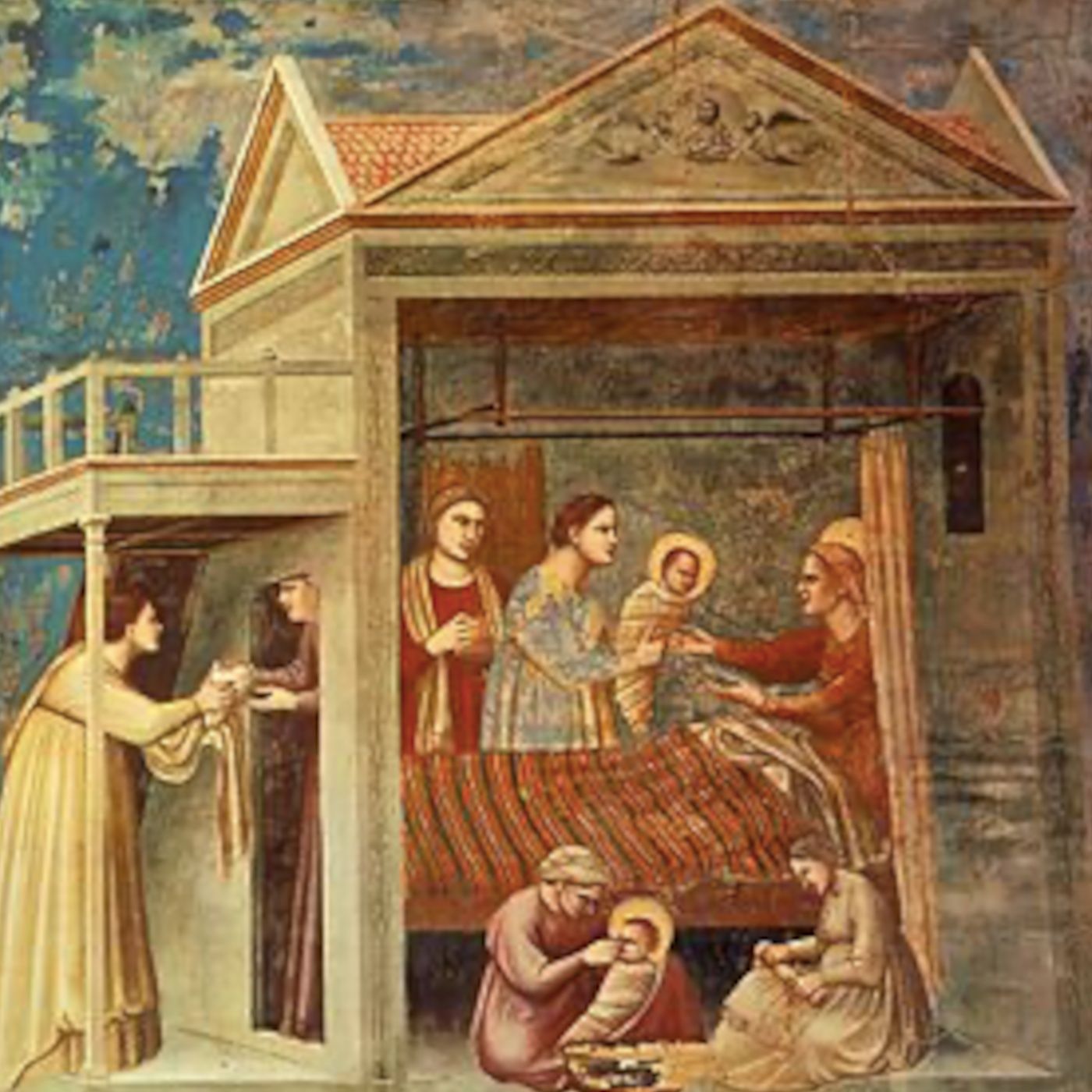
September 8: Birth of the Blessed Virgin Mary
Sep 7, 2026 · 5m
Prefer sermons downloaded automatically?
About this sermon
September 8: Birth of the Blessed Virgin Mary
Late First Century B.C.
Feast; Liturgical Color: White
Patroness of silversmiths, potters, and chefs
The last and greatest figure of the B.C. era causes its end
The birthdates of great men and women are remembered for posterity. The presidents of the United States are commemorated near the February birthday of George Washington. Many nations celebrate their birthday on the date they gained their independence. The Church celebrates its birthday, so to speak, on the Feast of Pentecost. However, the Church typically commemorates its saints on their date of death, ordination, or other significant milestone. Only Christ Himself, Saint John the Baptist, and the Virgin Mary have feasts commemorating their births, because only they were holy from the start. They were sanctified by God in the womb, not made holy through grace and long trial during their earthly lives.
Nowhere in Scripture is the place and date of birth of the Virgin Mary recorded. Nor are the names of her parents found in Scripture, although tradition tells us they were Joachim and Anne. It is not until the sixth century that there is certain knowledge of a liturgical commemoration of Mary’s birth. This is not unusual. Mary lived a largely hidden life, and her theological and historical significance remained somewhat veiled until the Council of Ephesus in 431 formally declared her the Mother of God. Since that definition, every aspect of her life has become the source of a rich spiritual and theological heritage.
The Word of God, for the Catholic, is more than its written form. We are a people of the Word, not a people of the Book. Scripture is just one expression of the Word made flesh, the Word spoken by the Father from all ages. This means that a richer, more layered meaning of the events of the New Testament perpetually unfolds in the Church. The written Word of God in the Bible is limited by the fixed nature of all written words. Once put on paper, they don’t change. The Living Word is something more, and it is the Living Word that the Church teaches, preaches, and lives. Just like a person, the Body of Christ expresses itself through both formal language and through body language. The words of the Catechism, prayers, and Magisterial documents use formal language. But the liturgy, sacraments, music, architecture, pious devotions, processions, etc., are more like body language. They communicate the same written truths as the Catechism and Scripture yet in a different, more corporeal, more lived way.
The silence of Mary, the hiddenness of so much of her life, is intriguing. It is an invitation to prayer and spiritual reflection. Her silence, and the silence of Scripture on so many events which must have occurred but are not referenced, means that there is, and will always be, more for the Church to reveal about Her greatest truths. It is not just Scripture that is inspired but the Church as well. She pulls from Her storehouse things old and new, polishes them off, and offers them to the faithful in culturally compelling language to deepen the content of faith and the faithful’s response to it.
But even more than offering old things in new ways, even more than preserving past truths, the Church is a generator of revelation. She is the Living Word in the world of today, the vibrant Magisterium who absorbs the world’s questions and challenges in every age and gives them compelling answers. Tradition for the Church, then, is not just a jewel to be guarded. Tradition is forward-looking, dynamic, and active. And this positive tradition continues to celebrate the birth of the Virgin Mary because it was she, the last great figure of the B.C. era, whose birth itself gave birth to a new world. No Mary, no Christ. Her birth was the start of the future we all now inhabit.
Saint Mary, we celebrate your holy birth in the land your Son made holy. Your discreet life of prayer and service obscures so much but speaks loudly as well. May our lives be discreet in their goodness, known to God and to those few who have the eyes to see and the ears to hear.
More from Catholic Saints & Feasts

4th Thursday in November: Thanksgiving Day (U.S.A.)
Nov 26, 2026 · 6m
Fourth Thursday in November: Thanksgiving Day (U.S.A.) Optional Memorial; Liturgical Color: White Life is a gift replete with countless gifts It’s 1542, and the Spanish Franciscan Juan de Padilla, a...
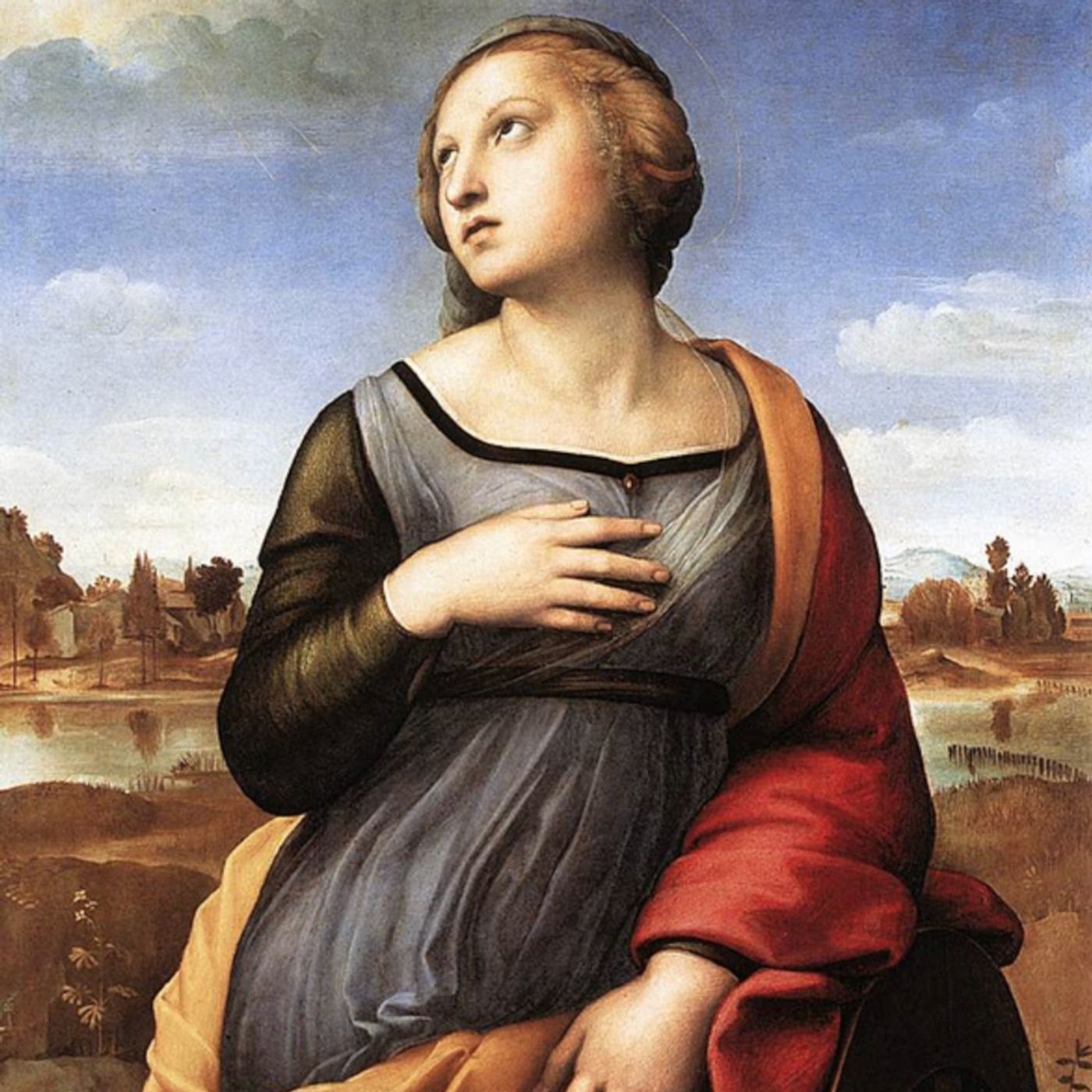
November 25: Saint Catherine of Alexandria, Virgin and Martyr
Nov 25, 2026 · 6m
November 25: Saint Catherine of Alexandria, Virgin and Martyrc. Late third–early fourth centuriesOptional Memorial; Liturgical Color: RedPatron Saint of philosophers, apologists, and all who work with...
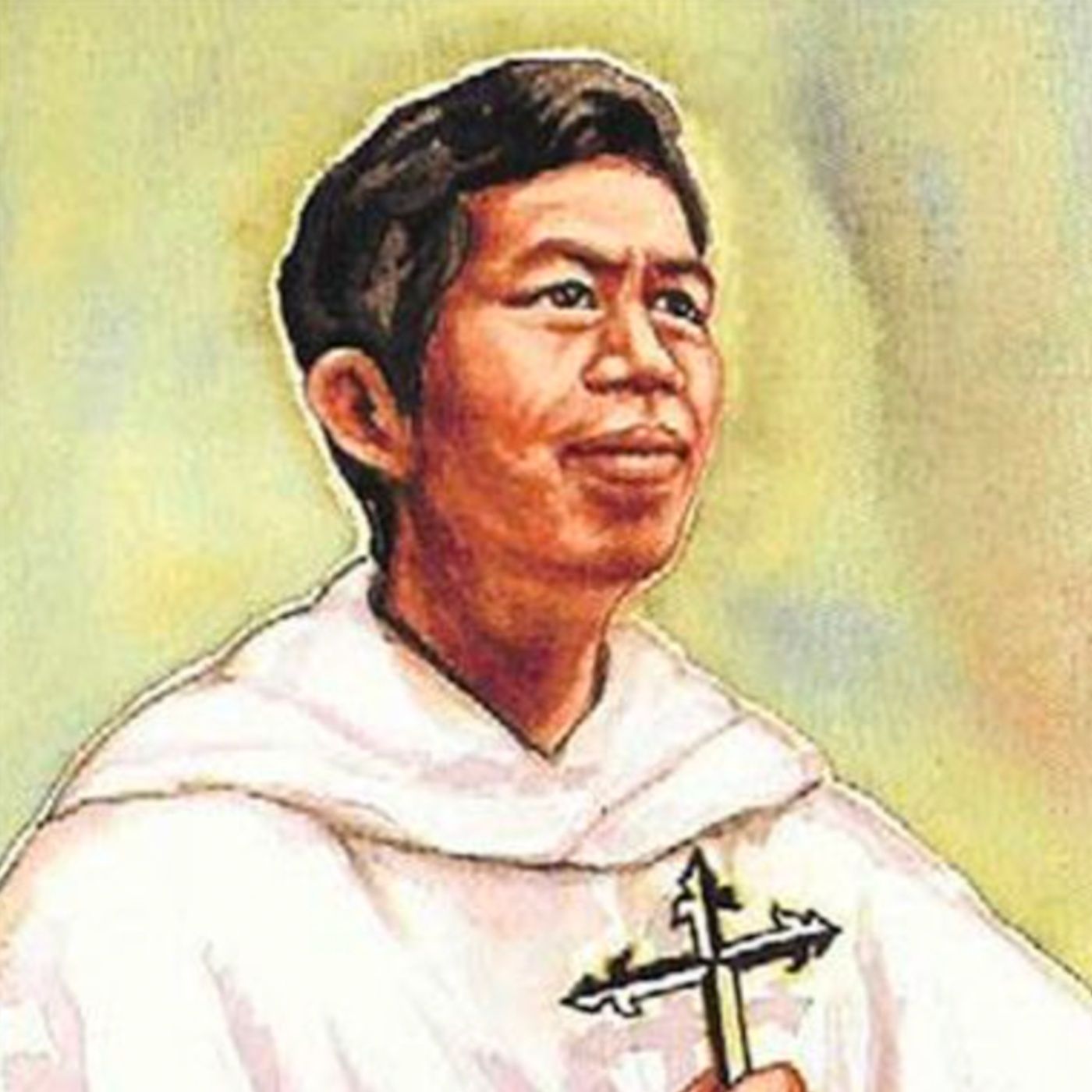
November 24: Saint Andrew Dũng-Lac, Priest, and Companions, Martyrs
Nov 24, 2026 · 6m
November 24: Saint Andrew Dũng-Lac, Priest, and Companions, Martyrs1795–1839; Seventeenth–Nineteenth CenturiesMemorial; Liturgical Color: RedPatron Saints of VietnamThousands of priests and converts...
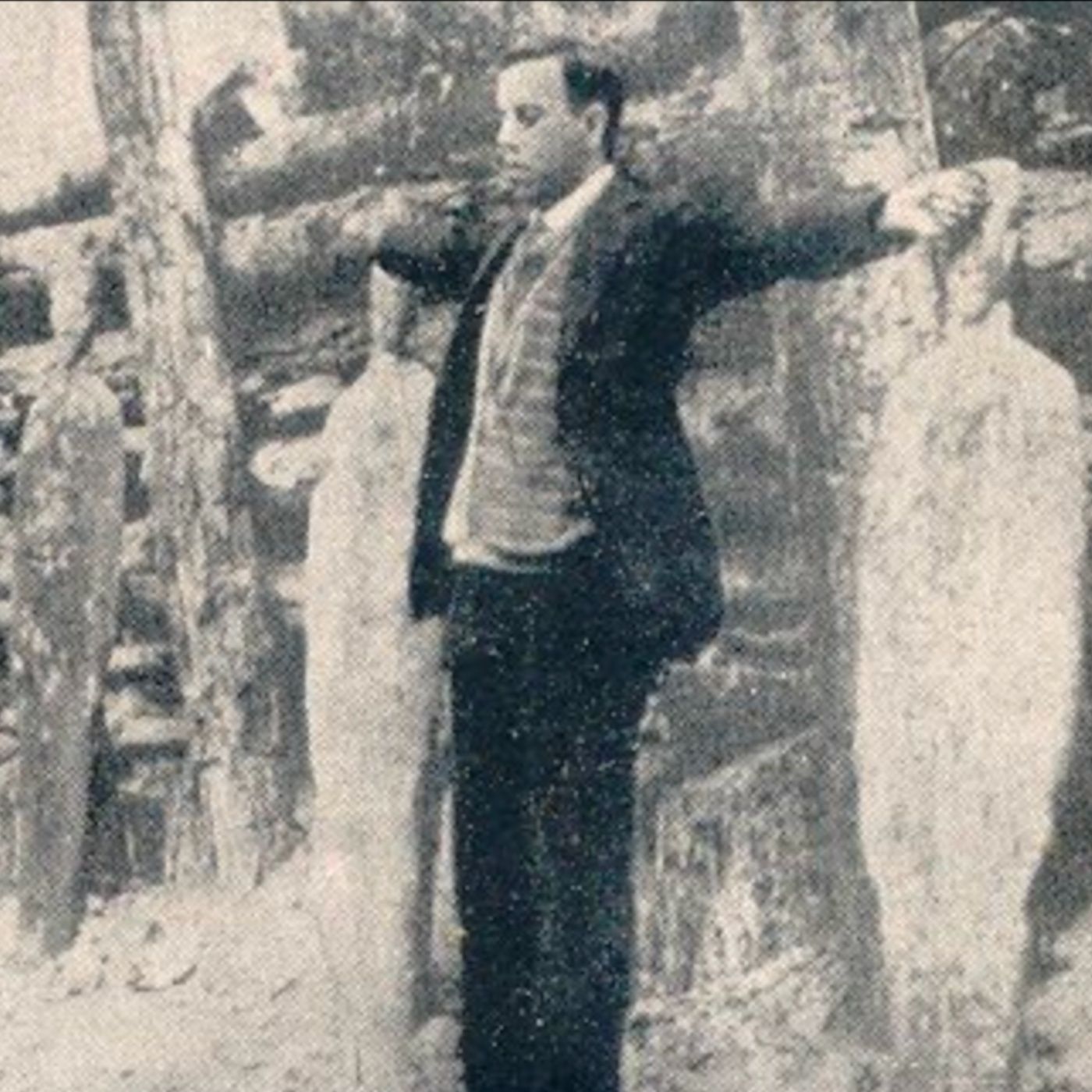
November 23: Blessed Miguel Agustín Pro, Priest and Martyr (U.S.A.)
Nov 23, 2026 · 7m
November 23: Blessed Miguel Agustín Pro, Priest and Martyr (U.S.A.)1891–1927Optional Memorial; Liturgical Color: RedThe proto-martyr of the age of the imageThe emaciated holocaust survivor behind...
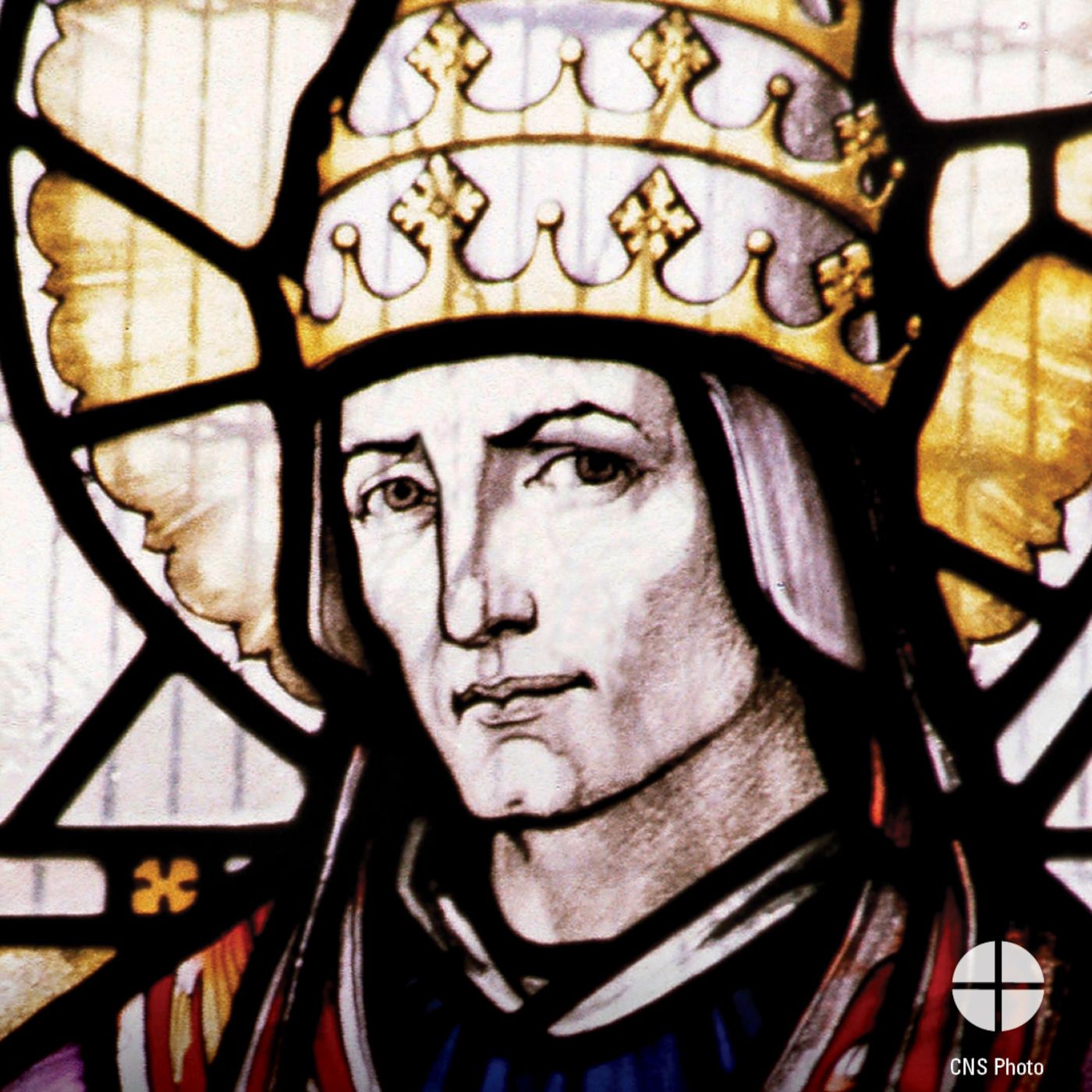
November 23: Saint Clement I, Pope and Martyr
Nov 23, 2026 · 6m
November 23: Saint Clement I, Pope and MartyrFirst CenturyOptional Memorial; Liturgical Color: RedPatron Saint of sailors and marble workersPrimacy more than infallibility, service more than...

November 23: Saint Columban, Abbot
Nov 23, 2026 · 5m
November 23: Saint Columban, Abbotc.543–615Optional Memorial; Liturgical Color: WhitePatron Saint of motorcyclists and against floodsHe led the first wave of Irish monks who stormed EuropeThroughout...
Take these sermons with you.
Follow Catholic Saints & Feasts in the Getsermons app to get every new sermon, build playlists, and pick up right where you left off.

