

Faith & Finance
Giving Circles: The Collaborative Power of Shared Generosity with Lacie Stevens
Nov 6, 2026 · 24m
Prefer sermons downloaded automatically?
About this sermon
Generosity is often something we practice on our own. We identify a need, support a ministry, or give to a cause we care about. But what happens when we invite others to join us?
Giving circles offer a way to make generosity more collaborative, relational, and joyful. When believers come together with a shared purpose, their collective giving can make a meaningful difference—not only in the lives of those receiving support but also in the hearts of those giving.
Lacie Stevens, Senior Partner at Generous Giving, has seen this firsthand. After spending more than two decades as a financial advisor, her perspective on stewardship changed dramatically when she attended her first Generous Giving conference in 2007. Today, she helps others discover the joy of generosity through shared experiences and meaningful connections.
Her message is simple: Generosity doesn't have to be something we practice alone.
What Is a Giving Circle?
A giving circle is a group of people who intentionally come together to pool their resources, pray about needs, and decide how they can support individuals, organizations, or ministries.
The concept is straightforward, but its impact can extend far beyond the financial gifts themselves.
Lacie explains that giving becomes more personal and life-giving when it's experienced in community. Rather than making giving decisions in isolation, participants have an opportunity to learn from one another, discover needs they might otherwise overlook, and encourage each other to respond.
In a culture where many people feel disconnected, giving circles create opportunities for authentic relationships centered on a shared desire to serve others.
They also remind us that generosity is about more than transferring resources. It's an opportunity for spiritual growth.
When we talk openly about needs, pray together, and encourage one another to act, we begin to see generosity as something we're invited to participate in rather than simply another financial obligation. And sometimes, the encouragement of others helps us act on an opportunity we might otherwise hesitate to pursue.
A Biblical Picture of Shared Generosity
Although giving circles may be growing in popularity, the heart behind them is hardly new.
In Acts 2 and 4, we see a remarkable picture of generosity within the early church. Believers shared their possessions, cared for one another's needs, and demonstrated a unity that reflected their common faith in Christ. Acts 4:32 describes the community this way:
"Now the full number of those who believed were of one heart and soul, and no one said that any of the things that belonged to him was his own, but they had everything in common."
Their generosity was an expression of their shared life in Christ. They recognized that what they possessed could be used to care for one another.
Modern giving circles may operate differently, but they reflect a similar desire to use God's resources for the good of others. And the beauty of this approach is that it isn't reserved for people with extraordinary wealth.
You Don't Need Great Wealth to Make a Difference
One of the biggest misconceptions about collaborative giving is that it requires substantial financial resources. In reality, a giving circle might consist of a few families, a Bible study group, or several friends who contribute modest amounts toward a shared purpose.
The individual gifts may be small, but their combined impact can be meaningful. Of course, some giving circles have grown into much larger efforts.
Lacie recalls a group of four women in Fort Lauderdale who were inspired to start a giving circle after attending a Journey of Generosity retreat about 15 years ago.
They began with a shared vision of supporting ministries in their community. Over time, their circle continued to grow, and together they have given more than $2 million.
It's a remarkable example of what can happen when people unite around a common purpose. But the lesson isn't that every giving circle should aspire to give away millions. It's that generosity can begin with a few willing people and a desire to make a difference.
As Lacie reminds us, "Biblical generosity has never been reserved for the wealthy, and God cares deeply about faithfulness, not comparison."
Passing on a Legacy of Generosity
Giving circles can also create meaningful opportunities for families to practice generosity across generations.
Parents and grandparents often think carefully about passing financial resources to the next generation. But what about passing along the values, wisdom, and convictions that shaped how those resources were managed?
Collaborative giving allows families to do both. Instead of simply telling children or grandchildren which organizations to support, families can invite them into the process. They can discuss needs, learn about ministries, pray together, and make decisions as a group.
This gives younger generations an opportunity to discover what matters to them while learning from the experiences of older family members.
It's also a reminder that preparing the next generation for stewardship involves more than teaching them how to manage wealth. It means helping them understand the purpose behind it.
As financial teacher Ron Blue has often said, "Do your giving while you're living, so you're knowing where it's going."
When families practice generosity together, they have the joy of witnessing its impact while cultivating habits and values that can endure for generations.
How to Start a Giving Circle
Starting a giving circle doesn't have to be complicated.
Lacie recommends beginning with people you already know. Invite a few friends or family members to have a conversation about needs in your community and the causes that matter to you. From there, consider a few simple steps:
Gather a small group. Start with friends, family members, or fellow church members who share an interest in generosity.
Pray together. Ask God for wisdom and discernment as you consider opportunities to serve.
Identify a need. Look for individuals, ministries, or organizations where your combined resources could make a meaningful difference.
Decide how to participate. Determine what each person can contribute willingly and responsibly, without comparison or pressure.
Stay connected. Continue meeting, praying, and learning together as you see how your giving makes a difference.
There's no requirement to begin with a large commitment or a formal structure. The important thing is creating space for people to discover the joy of generosity together. And if you're interested in joining an established giving circle, you may find groups already operating in your community.
Discovering the Joy of Generosity
For those who want to explore generosity more deeply, Generous Giving offers an experience called the Journey of Generosity, often referred to as a JOG.
These small-group retreats typically bring together 12 to 14 people for approximately 24 hours of Bible study, personal stories, meaningful conversations, and prayerful reflection.
The experience isn't designed to solicit donations or pressure participants into making financial commitments. Instead, it creates space to reflect on God's generosity and consider how that generosity might shape our own lives.
For Lacie, one of the most meaningful parts of the retreat is a period of quiet reflection when participants spend time listening and praying. She describes her own first Journey of Generosity as a profound, life-changing experience.
Generous Giving provides retreat materials and trained facilitators at no cost. The organization also offers free online retreats for those who may not be able to participate in person.
You can learn more or explore opportunities to participate at GenerousGiving.org.
Generosity Is Better Together
The lasting impact of a giving circle isn't measured solely by the amount of money contributed or the number of needs addressed.
It's also found in the relationships strengthened, the compassion cultivated, and the ways our hearts become more attentive to the needs of others.
When we practice generosity together, we encourage one another to see beyond our individual circumstances and recognize opportunities to participate in what God is doing. And we may discover that the joy of giving is something worth sharing.
You don't need extraordinary wealth, a large group, or an elaborate plan to begin. Sometimes all it takes is a few friends, a willing heart, and a shared desire to love your neighbors well.
Because generosity isn't simply about what we give away. It's also about what God cultivates in us as we learn to give together.
To explore this topic further, read Lacie Stevens' article on the power of giving circles in the latest issue of Faithful Steward magazine. You can receive every issue by becoming a FaithFi partner at FaithFi.com/Give.
On Today’s Program, Rob Answers Listener Questions:
How do QCDs affect MAGI and IRMAA for Medicare premiums? And what’s the best way to vet a charity before giving?
Resources Mentioned:
Become a FaithFi Partner
Generous Giving
Journey of Generosity (JOG)
The Collaborative Power of Giving Circles by Lacie Stevens (Article in Faithful Steward, Issue 7)
Charity Navigator | ECFA
Faithful Steward: FaithFi’s Quarterly Magazine
FaithFi Field Guide: How Do I Prepare the Next Steward?
FaithFi Field Guide: How Much Money is Enough?
Our Ultimate Treasure: A 21-Day Journey to Faithful Stewardship by Rob West
Wisdom Over Wealth: 12 Lessons from Ecclesiastes on Money
Look At The Sparrows: A 21-Day Devotional on Financial Fear and Anxiety
Rich Toward God: A Study on the Parable of the Rich Fool
Find a Certified Kingdom Advisor® (CKA)
FaithFi App
Remember, you can call in to ask your questions every weekday at (800) 525-7000. Faith & Finance is also available on Moody Radio Network and American Family Radio. You can also visit FaithFi.com to connect with our online community and partner with us as we help more people live as faithful stewards of God’s resources.
Hosted by Simplecast, an AdsWizz company. See pcm.adswizz.com for information about our collection and use of personal data for advertising.
More from Faith & Finance
The Genius of Generosity with Chip Ingram
Nov 27, 2026 · 24m
We often think of generosity as a sacrifice—something we give up for the benefit of someone else. But what if generosity is actually one of the wisest and most rewarding ways to live?When we live with...
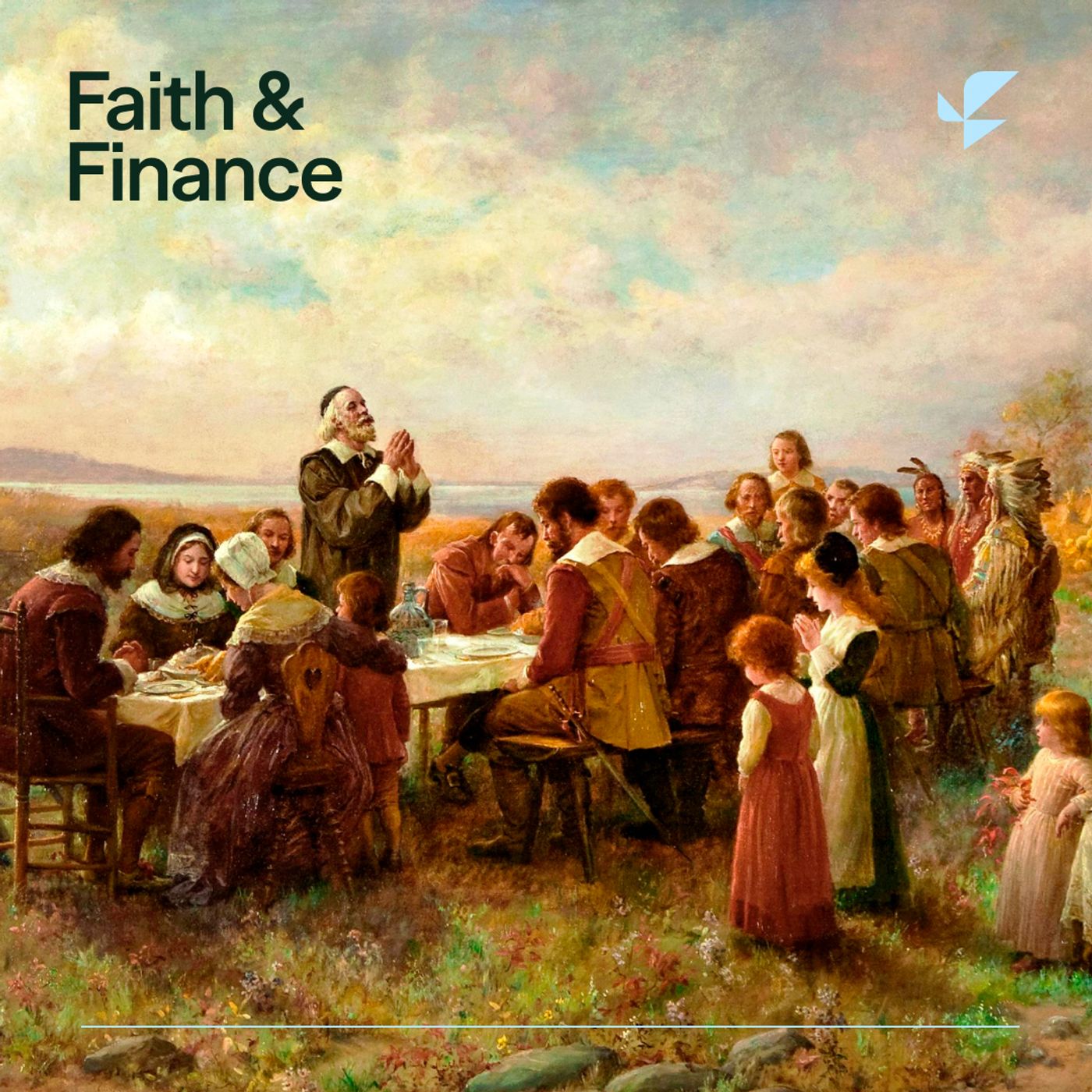
The Story of Thanksgiving
Nov 26, 2026 · 24m
Thanksgiving is a time to gather with family and friends, count our blessings, and thank God for His faithfulness. But the story behind one of America's most cherished traditions began not with...
Passing On Relational Wealth with Sharon Epps
Nov 25, 2026 · 24m
When we think about leaving an inheritance, we often focus on financial assets—savings, investments, property, and other resources we hope to pass on to the next generation. But preparing the next...

Giving Within Your Means
Nov 24, 2026 · 24m
Scripture calls us to be generous, open-handed, and willing to sacrifice for others. But generosity should never become an excuse for neglecting the responsibilities God has already placed in our...

Love Good with Stephen Jackson
Nov 23, 2026 · 24m
Biblical stewardship reaches far beyond what we give away. It includes our work, our investments, and everything God has entrusted to us. But have you ever stopped to consider whether the money you're...

Count Your Blessings: The Power of Gratitude
Nov 20, 2026 · 24m
In 1897, hymn writer Johnson Oatman Jr. penned the words to a beloved gospel song that continues to encourage Christians more than a century later: Count Your Blessings.Throughout his lifetime, Oatman...
Take these sermons with you.
Follow Faith & Finance in the Getsermons app to get every new sermon, build playlists, and pick up right where you left off.

