

Faith & Finance
How to Cultivate Generosity in Your Family with Sharon Epps
Jul 29, 2026 · 24m
Prefer sermons downloaded automatically?
About this sermon
Generosity can begin with a simple gift, but when it becomes a family rhythm, its impact can last for generations.
Most parents want their children to grow into generous adults—people who see what God has entrusted to them as something to be stewarded for His purposes and the good of others. But generosity rarely develops by accident. It is cultivated over time through example, experience, and intentional practice.
Sharon Epps, President of Kingdom Advisors and Co-Founder of Women Doing Well, joins the show today to encourage families to begin teaching generosity early and continue nurturing it through every stage of life.
The goal is not simply to raise children who give money, but to help them discover the joy of living generously with everything God has provided.
Start by Modeling Generosity
Young children may not understand much about money yet, but they are always watching.
That makes the early years an ideal time to model generosity through simple, tangible experiences. Parents might take their children grocery shopping for items to donate to a local food pantry, allowing them to choose the food and deliver it.
The lesson is simple: We have something we can share, and together, we can use it to help someone else.
Families can also find creative ways to connect generosity with celebrations. Sharon suggests hosting a “reverse birthday party,” where guests bring items for a ministry or charity the child helps select.
Another simple practice is keeping blank cards nearby so children can draw pictures or write encouraging notes for someone who may be lonely, sick, or going through a difficult season.
None of these activities requires a child to understand complex financial concepts. They simply allow children to see generosity in action.
Give Children Hands-On Opportunities to Serve
As children grow, parents can begin inviting them into more direct experiences of giving.
One powerful approach is volunteering together at a local ministry, especially an organization serving other children or families. Serving side by side allows generosity to become something children experience personally rather than merely hear about.
Families might also consider sponsoring a child through a trusted ministry. Sharon shared how her own daughter began sponsoring a child at age five and continued that relationship as they both grew older.
Experiences like these can help children recognize that generosity is relational. It is not simply about transferring money from one place to another. It is about seeing people, caring about their needs, and responding with compassion.
Connect Generosity to a Teenager’s Passions
As children enter their teenage years, their interests and passions become clearer. That creates an opportunity to help them connect generosity with the things they already care about.
A teenager who loves the outdoors, for example, might become interested in supporting a Christian camp ministry. A young person passionate about sports might enjoy serving through an organization that uses athletics to mentor children.
Families can also make service part of their normal rhythms.
Spring break or other holidays, for instance, can include opportunities to serve together. Sharon shared that her children participated in spring break mission trips while growing up. Those experiences became so meaningful that they continued serving during college because generosity had simply become part of what their family did.
That is one of the most powerful lessons parents can pass along: Generosity is not an occasional project. It can become part of the way we live.
Let Generosity Involve Sacrifice
Biblical generosity often involves more than giving from what is left over. Sometimes it requires choosing to give something up so that someone else can benefit.
Teenagers are old enough to begin experiencing that kind of sacrifice intentionally.
One creative idea is a “pantry challenge,” where a family spends a period of time eating primarily what is already in the house while limiting grocery purchases. The money saved could then be given toward a ministry or someone in need.
Practices like this help young people understand that generosity involves choices.
We may choose to spend less so we can give more. We may give up some of our time to serve. We may share our skills, possessions, or opportunities with someone else.
Sacrifice helps generosity move from an abstract idea to a lived experience.
Encourage Generosity Into Adulthood
Parents can continue encouraging generosity even after their children become adults, but their role begins to change.
Rather than directing their children’s giving, parents can create opportunities for them to make their own decisions.
One option Sharon suggests is helping an adult child establish a donor-advised fund. Parents might provide an initial amount and even offer to match what their child contributes toward charitable giving.
The purpose is not simply to create another financial account. It is to encourage intentionality.
What causes do they care about?
Where do they see God at work?
How might the resources entrusted to them become part of that work?
Questions like these help adult children develop their own convictions about generosity and stewardship.
Expand Your Family’s Definition of Giving
Perhaps one of the most important lessons families can learn is that generosity is about far more than money.
We can give our time.
We can offer our skills.
We can share our relationships, possessions, influence, and opportunities.
This broader understanding allows generosity to become what Sharon describes as “whole-life, purpose-filled generosity.” And that means every member of the family has something to give.
A young child can draw an encouraging picture. A teenager can spend a Saturday serving. An adult can use financial resources, professional skills, or relationships to help others.
Generosity begins by asking a simple question: What has God entrusted to me that I can use for the good of someone else?
Generosity Is Often Caught More Than Taught
Parents can certainly talk with their children about giving, but some of the most powerful lessons will come from what children see practiced consistently at home.
When they watch their parents give joyfully, serve willingly, and hold their resources with open hands, they begin to understand that generosity is not merely something Christians do.
It is part of who we are becoming as faithful stewards. And when families practice generosity together—from childhood through adulthood—they plant seeds that may continue bearing fruit long after the original gift has been given.
A generous family legacy is ultimately about more than what we leave to the next generation. It is about helping prepare the next generation to faithfully steward whatever God places in their hands.
On Today’s Program, Rob Answers Listener Questions:
I have an annuity and want to borrow $200,000 to buy an investment property. I’ve been told I could qualify for the loan based on my assets, then withdraw from the annuity to pay it off without owing taxes because the withdrawal wouldn’t be earned income. Is that correct, or would the annuity withdrawal still be taxable?
I set up a trust for my wife while she was living with Alzheimer’s, and she passed away a couple of years ago. How often should a trust be reviewed, and should I update or redo it now?
I have about $250,000 in home equity and a 3.85% mortgage, so I don’t want to do a cash-out refinance. Are home equity sharing agreements a legitimate option, and what should I know before considering one?
I’m 62, single, and have property and investments. I want to get my estate in order. What’s the difference between a will and a trust, do I need a power of attorney, and what’s the best way to get these documents set up?
Resources Mentioned:
Faithful Steward: FaithFi’s Quarterly Magazine (Become a FaithFi Partner)
Women Doing Well
Movement Mortgage
Trust & Will
Home Equity and Reverse Mortgages: The Cinderella of the Baby Boomer Retirement by Harlan Accola
FaithFi Field Guide: How Much Money is Enough?
Our Ultimate Treasure: A 21-Day Journey to Faithful Stewardship by Rob West
Wisdom Over Wealth: 12 Lessons from Ecclesiastes on Money
Look At The Sparrows: A 21-Day Devotional on Financial Fear and Anxiety
Rich Toward God: A Study on the Parable of the Rich Fool
Find a Certified Kingdom Advisor® (CKA)
FaithFi App
Remember, you can call in to ask your questions every weekday at (800) 525-7000. Faith & Finance is also available on Moody Radio Network and American Family Radio. You can also visit FaithFi.com to connect with our online community and partner with us as we help more people live as faithful stewards of God’s resources.
Hosted by Simplecast, an AdsWizz company. See pcm.adswizz.com for information about our collection and use of personal data for advertising.
More from Faith & Finance

The Genius of Generosity with Chip Ingram
Nov 27, 2026 · 24m
We often think of generosity as a sacrifice—something we give up for the benefit of someone else. But what if generosity is actually one of the wisest and most rewarding ways to live?When we live with...
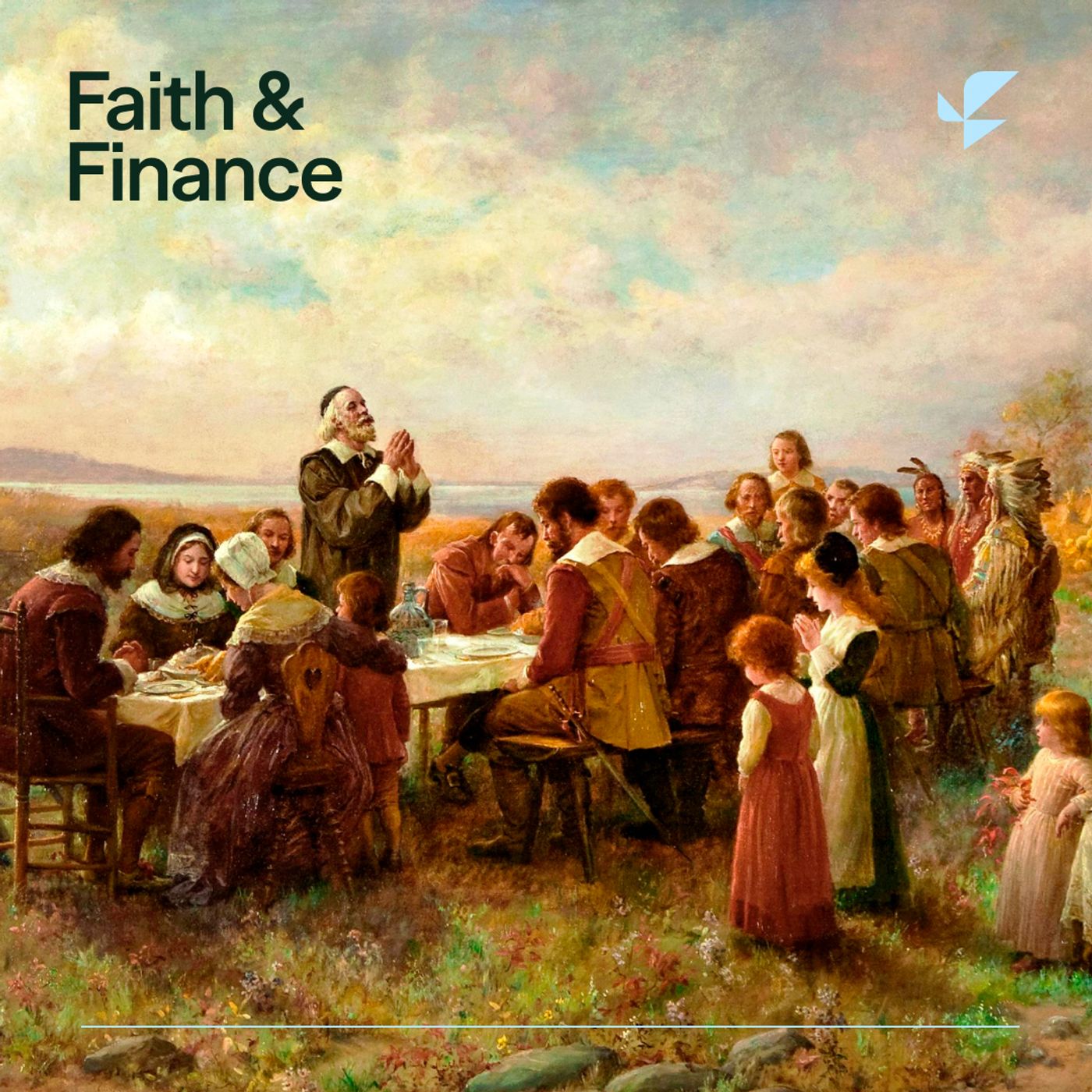
The Story of Thanksgiving
Nov 26, 2026 · 24m
Thanksgiving is a time to gather with family and friends, count our blessings, and thank God for His faithfulness. But the story behind one of America's most cherished traditions began not with...
Passing On Relational Wealth with Sharon Epps
Nov 25, 2026 · 24m
When we think about leaving an inheritance, we often focus on financial assets—savings, investments, property, and other resources we hope to pass on to the next generation. But preparing the next...

Giving Within Your Means
Nov 24, 2026 · 24m
Scripture calls us to be generous, open-handed, and willing to sacrifice for others. But generosity should never become an excuse for neglecting the responsibilities God has already placed in our...

Love Good with Stephen Jackson
Nov 23, 2026 · 24m
Biblical stewardship reaches far beyond what we give away. It includes our work, our investments, and everything God has entrusted to us. But have you ever stopped to consider whether the money you're...

Count Your Blessings: The Power of Gratitude
Nov 20, 2026 · 24m
In 1897, hymn writer Johnson Oatman Jr. penned the words to a beloved gospel song that continues to encourage Christians more than a century later: Count Your Blessings.Throughout his lifetime, Oatman...
Take these sermons with you.
Follow Faith & Finance in the Getsermons app to get every new sermon, build playlists, and pick up right where you left off.

