

Faith & Finance
The Blue Temperament with Kathleen Edelman and Andrew Stanley
Jul 14, 2025 · 24m
Prefer sermons downloaded automatically?
About this sermon
“For God is not a God of disorder but of peace—as in all the congregations of the Lord’s people.” - 1 Corinthians 14:33
We’re continuing our series on temperaments—how our God-given wiring shapes the way we communicate, relate to others, and make financial decisions. Kathleen Edelman is back with us, joined by Andrew Stanley, as we take a closer look at the Blue temperament and its influence on our approach to money.
Kathleen Edelman is the author of I Said This, You Heard That: How Your Wiring Colors Your Communication. She is certified in Biblical Studies and Christian Counseling Psychology and has spent over 30 years coaching clients in the art of effective communication.
Andrew Stanley is a nationally touring stand-up comedian who’s been performing across the country since 2016. You can learn more at AndrewStanleyComedy.com. In this episode, he also joins us as our representative for the Blue Temperament.
The Four Temperaments in a Nutshell
Before diving into blue specifically, Kathleen offers a quick primer on all four temperaments:
Yellow (Sanguine) – Extroverted and people-oriented, they speak the language of fun and relationships.
Red (Choleric) – Task-oriented extroverts who value power and control.
Blue (Melancholic) – Introverted and task-focused, they speak the language of perfection and order.
Green (Phlegmatic) – Introverted but people-oriented, seeking peace and harmony.
Each temperament influences not just relationships, but also how people handle money, make decisions, and respond under pressure.
Blues and the Search for Safety
For those with a blue temperament, safety isn’t just a preference—it’s a core emotional need. Blues thrive in environments where things are predictable, orderly, and well-organized. They naturally seek clarity, structure, and control to feel secure. When it comes to money, this often means creating detailed budgets, developing long-term plans, and being cautious when making financial decisions without having all the necessary information.
Blues may prefer to save rather than spend, not because they’re stingy, but because a growing bank account feels like a safety net against life’s uncertainties. They can struggle with risk and may delay action if they feel unsure, even if the opportunity is wise or time-sensitive.
In relationships, this drive for safety shows up in how blues communicate and connect with others. They crave understanding and support but may not always express those needs clearly. Because they process deeply and thoroughly, they often require space and time before responding, especially in moments of conflict or when making big decisions.
If rushed or misunderstood, they may withdraw, using silence as a way to regain control or avoid making a mistake. However, when their need for emotional safety is honored through patience, empathy, and clear communication, they can be deeply loyal, thoughtful, and intentional partners. Understanding this temperament helps others engage them with compassion and build stronger, more harmonious relationships.
Advice for and About Blues
If you have a blue temperament, give yourself permission to take the time you need to process decisions, especially those involving finances. Your thoughtful, analytical nature is a gift, but it can also lead to overthinking or decision paralysis. Don’t let the desire for perfection keep you from making progress.
Instead, set realistic deadlines, seek wise counsel, and remember that not every choice has to be airtight before it’s made. Lean into your strengths—planning, order, and foresight—while also allowing space for joy, spontaneity, and relational connection. A budget isn’t just a safety tool; it can also be a pathway to shared experiences and generous living.
For those in a relationship with a blue—whether in marriage, friendship, or at work—understand that their quiet moments are rarely a sign of apathy. Blues often feel deeply but express slowly. They value being understood and respected, especially when making important decisions. Don’t rush them. Instead, provide information clearly and give them time to reflect.
Be patient if they seem hesitant or cautious. Underneath that careful exterior is someone who longs for peace, harmony, and purpose. When you honor their need for safety and support, you’ll discover a loyal, wise, and dependable partner who brings depth and stability to any relationship.
On Today’s Program, Rob Answers Listener Questions:
My wife and I are carrying about $8,500 in credit card debt, plus a car loan. I’ve been considering opening a new credit card with an introductory 0% interest rate to help us pay it down more quickly. My wife’s grandmother also mentioned a credit card relief program, but I’m worried it might hurt our credit. What’s the best way for us to tackle this debt?
Thank you for the financial advice you share on the program. It’s helped me organize my finances, set up separate accounts, and start investing early. I’m grateful for the practical wisdom you offer!
I’m on SSDI and have limited resources, but I’m wondering if it’s still worthwhile to start investing. My daughter helps manage my finances, and I could probably set aside about $100 a month. Is starting small like that a good idea?
Resources Mentioned:
Faithful Steward: FaithFi’s New Quarterly Magazine (Become a FaithFi Partner)
I Said This, You Heard That: How Your Wiring Colors Your Communication by Kathleen Edelman
AndrewStanleyComedy.com
Christian Credit Counselors
The Sound Mind Investing Handbook: A Step-by-Step Guide to Managing Your Money From a Biblical Perspective by Austin Pryor with Mark Biller
Wisdom Over Wealth: 12 Lessons from Ecclesiastes on Money
Look At The Sparrows: A 21-Day Devotional on Financial Fear and Anxiety
Rich Toward God: A Study on the Parable of the Rich Fool
Find a Certified Kingdom Advisor (CKA) or Certified Christian Financial Counselor (CertCFC)
FaithFi App
Remember, you can call in to ask your questions every weekday at (800) 525-7000. Faith & Finance is also available on Moody Radio Network and American Family Radio. You can also visit FaithFi.com to connect with our online community and partner with us as we help more people live as faithful stewards of God’s resources.
Hosted by Simplecast, an AdsWizz company. See pcm.adswizz.com for information about our collection and use of personal data for advertising.
More from Faith & Finance

The Genius of Generosity with Chip Ingram
Nov 27, 2026 · 24m
We often think of generosity as a sacrifice—something we give up for the benefit of someone else. But what if generosity is actually one of the wisest and most rewarding ways to live?When we live with...
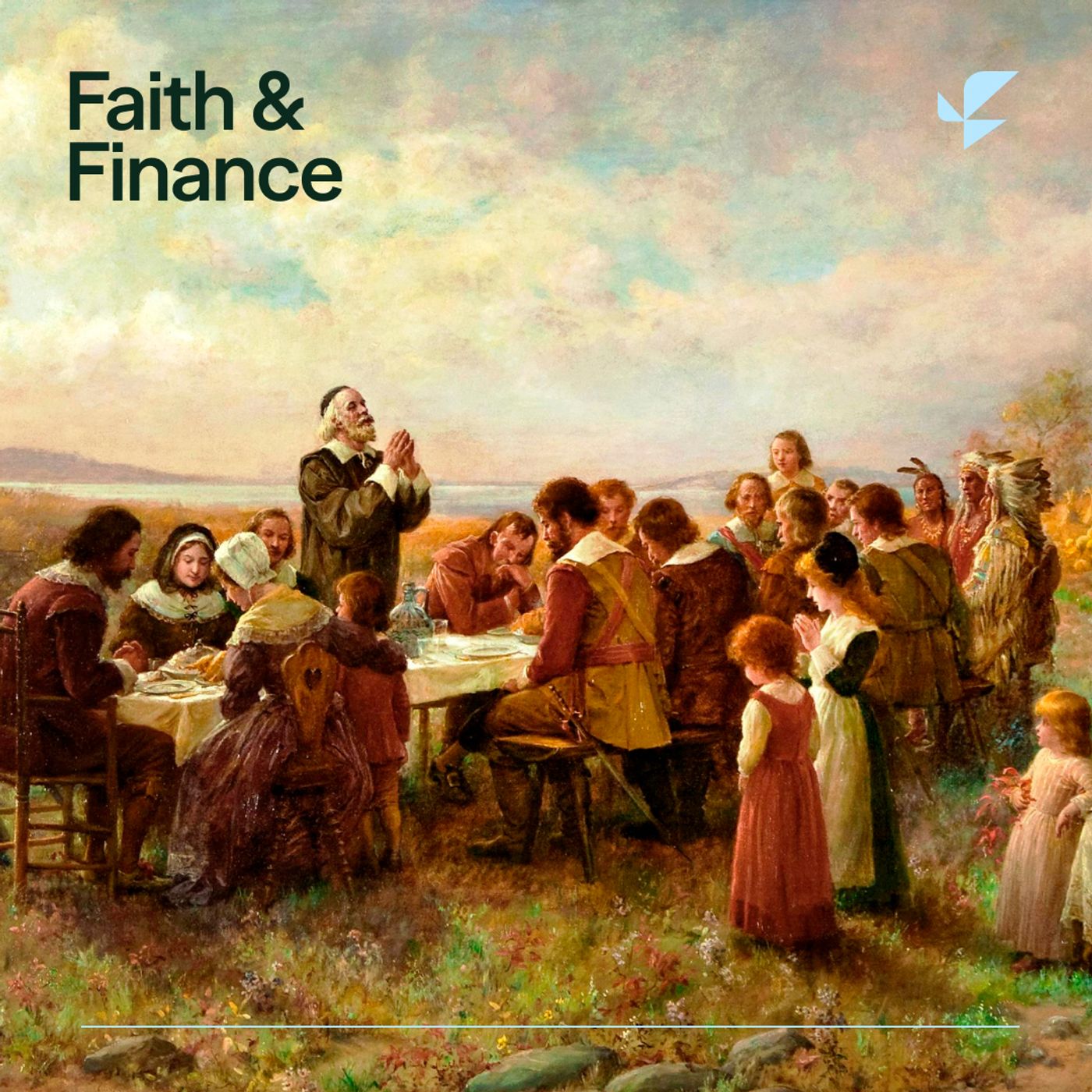
The Story of Thanksgiving
Nov 26, 2026 · 24m
Thanksgiving is a time to gather with family and friends, count our blessings, and thank God for His faithfulness. But the story behind one of America's most cherished traditions began not with...

Passing On Relational Wealth with Sharon Epps
Nov 25, 2026 · 24m
When we think about leaving an inheritance, we often focus on financial assets—savings, investments, property, and other resources we hope to pass on to the next generation. But preparing the next...

Giving Within Your Means
Nov 24, 2026 · 24m
Scripture calls us to be generous, open-handed, and willing to sacrifice for others. But generosity should never become an excuse for neglecting the responsibilities God has already placed in our...

Love Good with Stephen Jackson
Nov 23, 2026 · 24m
Biblical stewardship reaches far beyond what we give away. It includes our work, our investments, and everything God has entrusted to us. But have you ever stopped to consider whether the money you're...

Count Your Blessings: The Power of Gratitude
Nov 20, 2026 · 24m
In 1897, hymn writer Johnson Oatman Jr. penned the words to a beloved gospel song that continues to encourage Christians more than a century later: Count Your Blessings.Throughout his lifetime, Oatman...
Take these sermons with you.
Follow Faith & Finance in the Getsermons app to get every new sermon, build playlists, and pick up right where you left off.

