
Faith & Finance
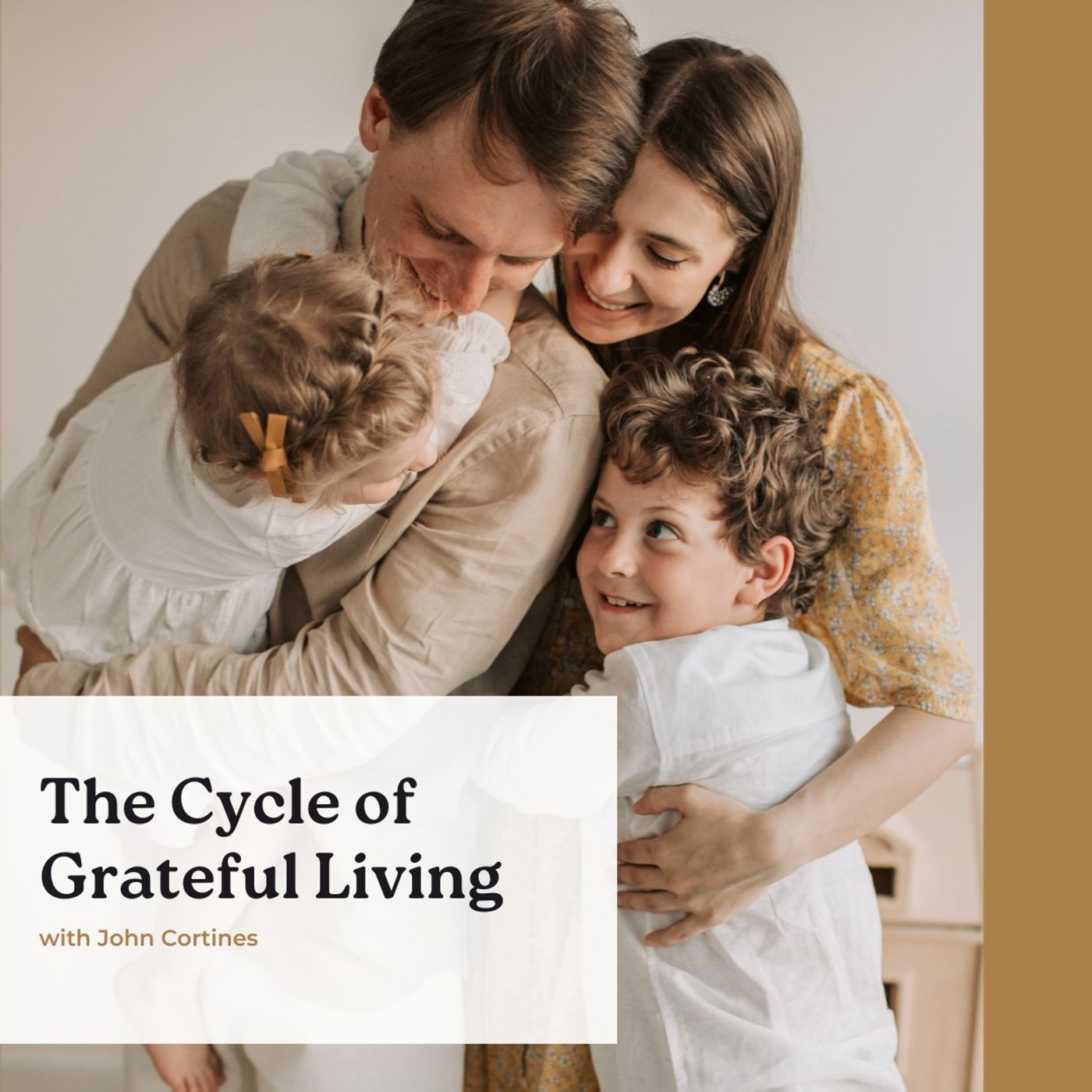
The Cycle of Grateful Living with John Cortines
Apr 8, 2026 · 24m
Prefer sermons downloaded automatically?
About this sermon
“Everyone also to whom God has given wealth and possessions and the power to enjoy them…this is the gift of God.” — Ecclesiastes 5:19
What if true joy doesn’t come from gaining more—but from gratefully receiving what God has already provided?
That’s the invitation we find in Ecclesiastes, and it’s the focus of a powerful conversation with John Cortines, Director of Partnerships and Growth at the McClellan Foundation and author of FaithFi’s study on the book of Ecclesiastes called, Wisdom Over Wealth: 12 Lessons from Ecclesiastes on Money. His insight centers on what he calls the cycle of grateful living—a biblical framework that reshapes how we view money, work, and contentment.
Rediscovering Joy in God’s Gifts
Ecclesiastes 5:18–20 sits at the heart of Scripture’s teaching on money and meaning. These verses remind us of something we often overlook: Not only are wealth and possessions gifts from God, but so is the ability to enjoy them.
That means joy isn’t something we manufacture through achievement or accumulation. It’s something we receive. Whether we have little or much, Scripture calls us to find satisfaction in the life God has already given us—our work, our relationships, and even our daily routines.
Yet many of us miss this. We’re quick to recognize the dangers of money, but slow to embrace the goodness of God’s provision.
The “E.A.T.” Cycle for Grateful Living
John Cortines summarizes this biblical vision with a simple acronym: E.A.T.
1. Enjoy God’s Provision
Everything we have—our resources, our health, our relationships—is a gift. Even the capacity to enjoy these things is given by God.
Gratitude begins when we recognize that nothing we have is ultimately self-made. It all flows from His hand.
2. Accept Life’s Brevity
Ecclesiastes repeatedly reminds us that life is short. This isn’t meant to discourage us—but to awaken us.
When we accept the limits of our time and season, we begin to live with greater purpose. We stop postponing joy and start embracing the present as a gift.
3. Toil with Joy
Work is not something to escape—it’s something to embrace.
While our culture often dreams of financial independence as freedom from work, Scripture presents a different vision. We were created with purpose, and meaningful work is part of that design. Even in retirement, we’re called to engage in what is good, fruitful, and God-honoring.
What Gets in the Way of Joy?
If this cycle is so clear, why do so few people experience it? Cortines points out three common obstacles:
Taking God’s provision for granted instead of cultivating gratitude
Ignoring life’s brevity, living as if time is unlimited
Resenting our work, constantly longing for escape
These patterns lead to anxiety, discontentment, and a constant pursuit of “more.”
Ironically, many people today live with more wealth and comfort than any generation in history—yet struggle deeply with dissatisfaction. As Cortines notes, even great wealth cannot produce lasting joy on its own.
A Better Vision Than “Someday”
One of the most subtle traps in our culture is the belief that joy lies somewhere in the future:
When I earn more…
When I retire…
When life slows down…
But Scripture calls us to something radically different. Joy is not found in a future we’re trying to build—it’s found in the present moment with Christ.
This echoes Jesus’ teaching in Luke 12, where He points to the birds and the flowers. They do not worry, yet God provides for them. Their lives are both sustained and limited—and so are ours.
This is both comforting and sobering:
God will provide for us.
Our time here is brief.
So instead of striving endlessly, we’re invited to live faithfully and gratefully today.
What Does a Grateful Life Look Like?
Ecclesiastes 5:20 gives us a beautiful picture:
“God keeps him occupied with joy in his heart.”
This kind of life is marked by:
Presence instead of distraction
Peace instead of anxiety
Contentment instead of comparison
It’s a life where gratitude crowds out worry—where the heart is so full of God’s goodness that it no longer fixates on what’s missing.
Living Within Our Limits—and God’s Greatness
One of the most profound insights from Ecclesiastes is this: we are small, and that’s okay.
In a world that tells us to dream bigger and achieve more, Scripture gently reminds us that our lives are finite—but God is not.
And that’s where true freedom is found.
We don’t need to be everything or accomplish everything. Christ has already accomplished what matters most. Our role is simply to be faithful in the life we’ve been given.
Finding Joy in What God Has Already Given
The cycle of grateful living is simple—but deeply transformative:
Enjoy what God has given
Accept the limits of your life
Rejoice in the work before you
When we live this way, we step out of the endless pursuit of “more” and into the quiet, steady joy of God’s presence.
And in that place, we discover something surprising: We already have enough—because we already have Him.
On Today’s Program, Rob Answers Listener Questions:
I’m 78 and want to avoid long-term care. I can invest $3,000 a month—what’s a safe way to do that?
I’m using Social Security and savings to support ministry requests, but it’s depleting quickly. How can I steward this wisely and manage where to keep and give my money?
Resources Mentioned:
Faithful Steward: FaithFi’s Quarterly Magazine (Become a FaithFi Partner)
God and Money: How We Discovered True Riches at Harvard Business School by John Cortines and Gregory Baumer
True Riches: What Jesus Really Said About Money and Your Heart by John Cortines and Gregory Baumer
Our Ultimate Treasure: A 21-Day Journey to Faithful Stewardship by Rob West
Wisdom Over Wealth: 12 Lessons from Ecclesiastes on Money
Look At The Sparrows: A 21-Day Devotional on Financial Fear and Anxiety
Rich Toward God: A Study on the Parable of the Rich Fool
Find a Certified Kingdom Advisor (CKA)
FaithFi App
Remember, you can call in to ask your questions every weekday at (800) 525-7000. Faith & Finance is also available on Moody Radio Network and American Family Radio. You can also visit FaithFi.com to connect with our online community and partner with us as we help more people live as faithful stewards of God’s resources.
Hosted by Simplecast, an AdsWizz company. See pcm.adswizz.com for information about our collection and use of personal data for advertising.
More from Faith & Finance
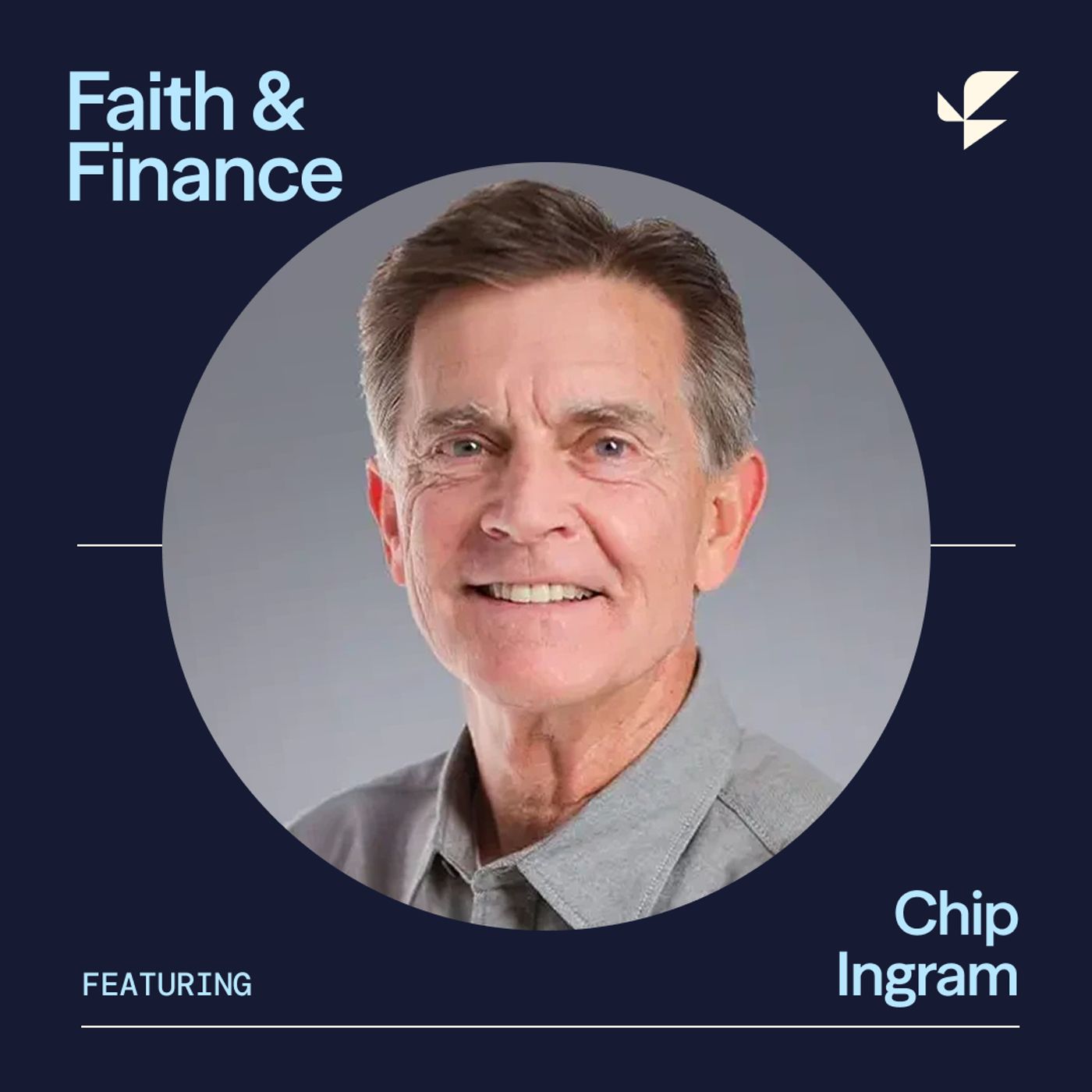
The Genius of Generosity with Chip Ingram
Nov 27, 2026 · 24m
We often think of generosity as a sacrifice—something we give up for the benefit of someone else. But what if generosity is actually one of the wisest and most rewarding ways to live?When we live with...
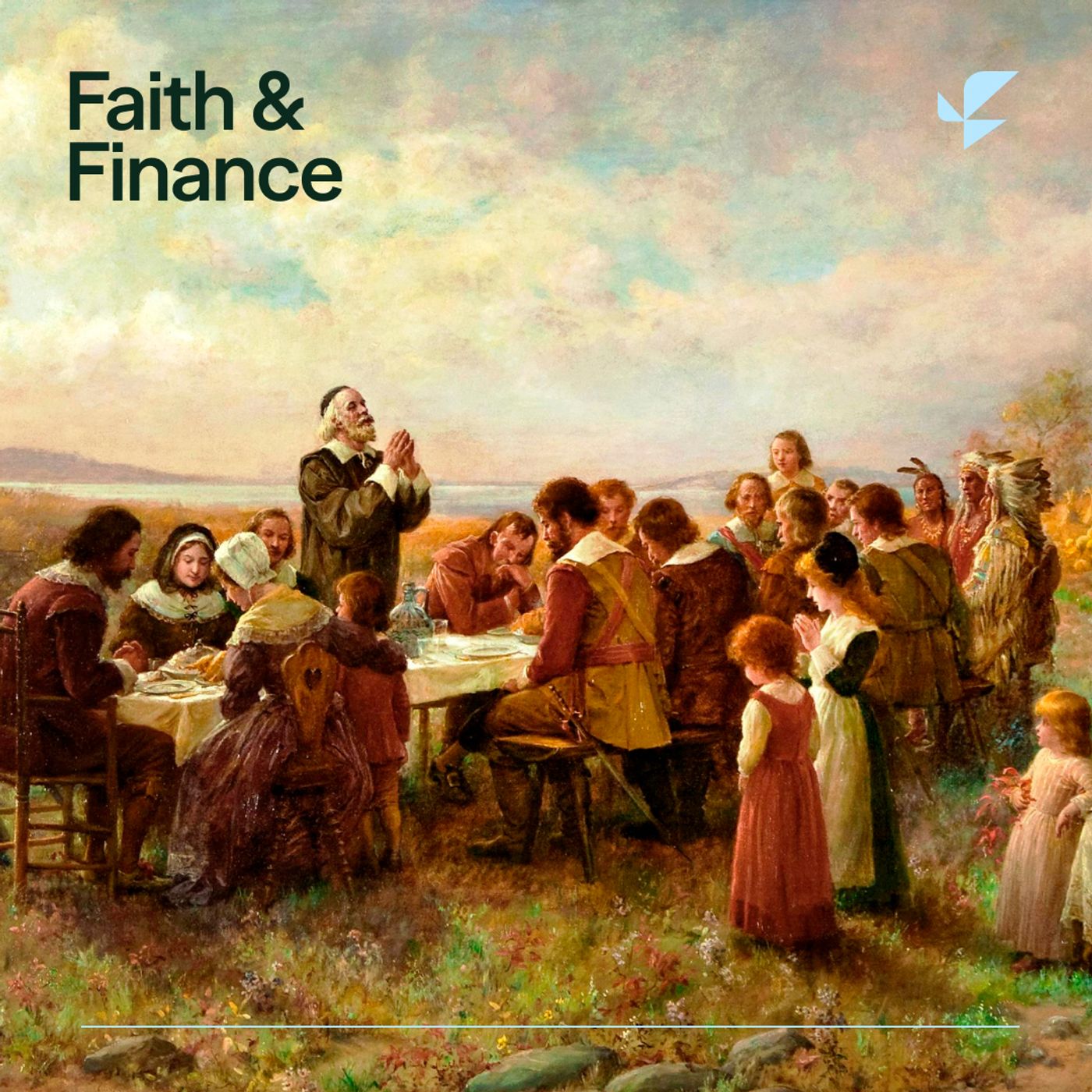
The Story of Thanksgiving
Nov 26, 2026 · 24m
Thanksgiving is a time to gather with family and friends, count our blessings, and thank God for His faithfulness. But the story behind one of America's most cherished traditions began not with...
Passing On Relational Wealth with Sharon Epps
Nov 25, 2026 · 24m
When we think about leaving an inheritance, we often focus on financial assets—savings, investments, property, and other resources we hope to pass on to the next generation. But preparing the next...
Giving Within Your Means
Nov 24, 2026 · 24m
Scripture calls us to be generous, open-handed, and willing to sacrifice for others. But generosity should never become an excuse for neglecting the responsibilities God has already placed in our...
Love Good with Stephen Jackson
Nov 23, 2026 · 24m
Biblical stewardship reaches far beyond what we give away. It includes our work, our investments, and everything God has entrusted to us. But have you ever stopped to consider whether the money you're...
Count Your Blessings: The Power of Gratitude
Nov 20, 2026 · 24m
In 1897, hymn writer Johnson Oatman Jr. penned the words to a beloved gospel song that continues to encourage Christians more than a century later: Count Your Blessings.Throughout his lifetime, Oatman...
Take these sermons with you.
Follow Faith & Finance in the Getsermons app to get every new sermon, build playlists, and pick up right where you left off.

