
Michael J. Lilly Podcast
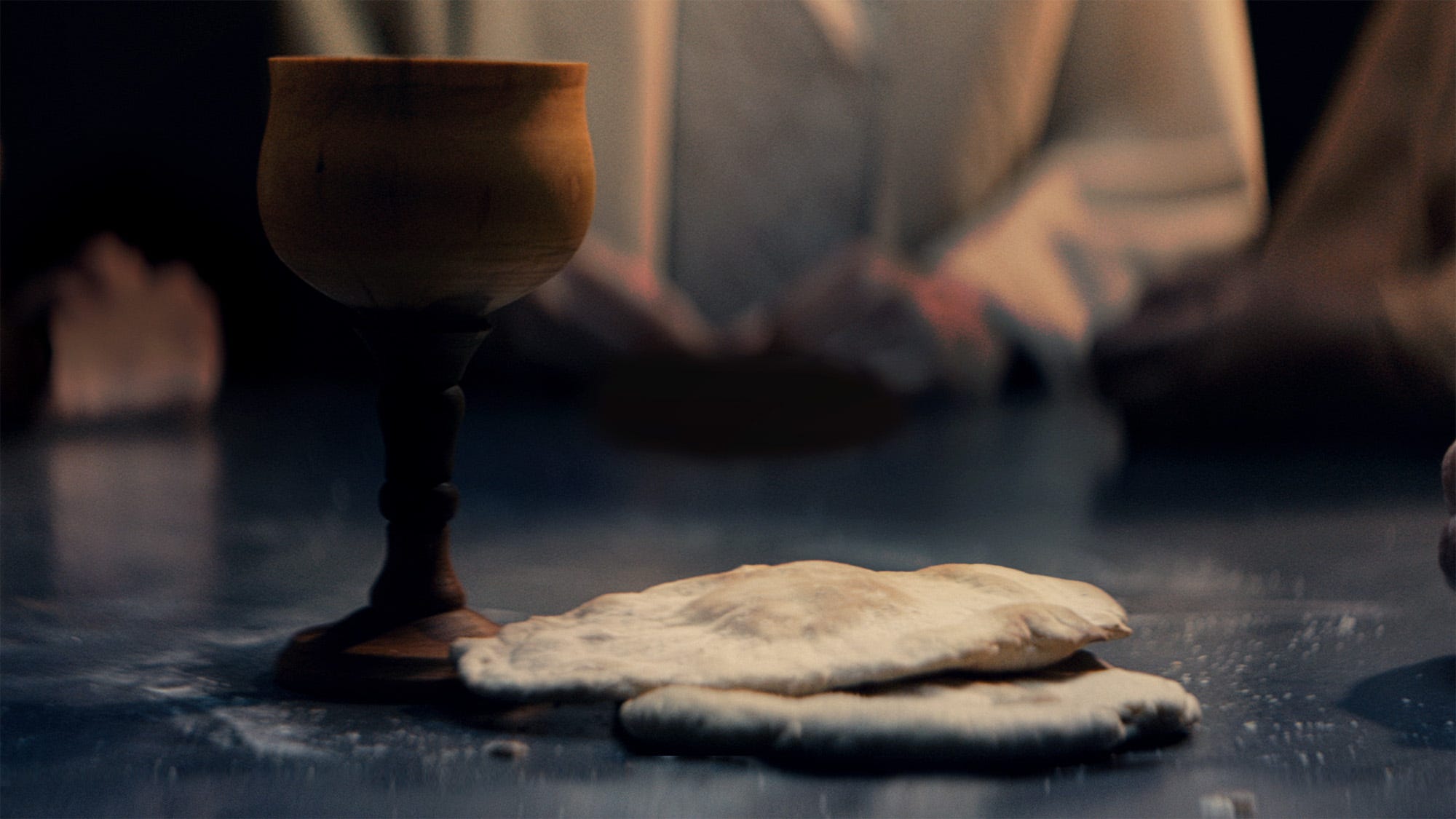
Breaking Bread
May 1, 2025 · 25m
Prefer sermons downloaded automatically?
About this sermon
Few practices are as central to the Christian faith as the Eucharist. Yet, almost every tradition interprets it differently.
In some traditions, it’s been layered with rituals and philosophical explanations so elaborate that the simplicity and power of the moment seem lost. In others, it’s been reduced to a casual afterthought, treated simply as a sentimental reminder rather than a sacred participation in the body and blood of Christ.
But when we turn to Scripture, we find that the Eucharist is more than a mindless ritual or an empty symbolic gesture. It’s a command from Christ Himself, a proclamation of His death, and a shared communion with the risen Lord.
This Substack is reader-supported. To receive new posts and support my work, consider becoming a free or paid subscriber.
Today, many Christians have inherited assumptions about the Eucharist without asking whether they reflect the Scriptures or the faith and practice of the earliest believers. Even within the Churches of Christ, while the practice of weekly observance remains strong, the theological understanding sometimes leans too far toward a purely symbolic view that risks flattening the deeper reality Scripture describes.
(If you’re looking for the first hints of my critiques for the Churches of Christ, this post is for you).
Today, we’ll explore what the Bible teaches about the Eucharist, how the earliest Christians understood it, when different interpretations arose, and why reverence without ritualism is the path the church must recover. The table was never meant to be a dead tradition—it was meant to be a living proclamation of the gospel.
What is the “Eucharist”?
The word Eucharist might sound unfamiliar or even uncomfortable to some modern Christians, especially those from Evangelical or Protestant, or even Restoration backgrounds. For many, the term feels “too Catholic,” associated with elaborate rituals or theological debates that seem far removed from the simplicity of the New Testament. Yet the word itself is deeply biblical, historical, and fitting for the church’s sacred meal.
Eucharist comes from the Greek word eucharistia (εὐχαριστία), which simply means “thanksgiving.” It is directly tied to how the New Testament describes the institution of the meal:
* Luke 22:19 — “And he took bread, and when he had given thanks (eucharistēsas), he broke it and gave it to them...”
* 1 Corinthians 11:24 — “And when he had given thanks (eucharistēsas), he broke it and said, ‘This is my body that is for you.’”
The earliest Christians adopted this term naturally. When they spoke of gathering for the breaking of bread, they spoke of the Eucharist—the thanksgiving offered to God for Christ’s sacrifice and the grace poured out through His body and blood.
Documents like the Didache (c. A.D. 70–120) and Justin Martyr’s First Apology (c. A.D. 155) use “Eucharist” freely and unapologetically to describe the church’s weekly observance. For them, it wasn’t a technical or sectarian term. It was simply the most natural way to speak about the meal: a moment of deep gratitude for salvation, real participation in Christ, and communal proclamation of the gospel.
Choosing to call the sacred meal the Eucharist is not an attempt to sound more traditional, Catholic, or academic. It is an effort to recover biblical language and align ourselves with the faith and practice of the earliest believers. After all, that is the stated goal of the Restoration Movement.
By using the word Eucharist:
* We remember that this meal is about thanksgiving—not mechanical ritualism or casual sentimentality.
* We emphasize the gravity and grace of what is happening at the table.
* We reconnect with apostolic and early church language—long before theological distortions later complicated the practice.
Other biblical terms, such as “the Lord’s Supper” (1 Corinthians 11:20) and “breaking of bread” (Acts 2:42), rightly emphasize different aspects of the same meal. But the term Eucharist captures the heart of the act—the church’s gathered thanksgiving for the crucified and risen Christ—and is part of the church’s original vocabulary.
(It also is more recognizable to other Christian groups, so I will use it exclusively throughout this post.)
The Eucharist in Scripture
The foundation for the Eucharist is not church tradition, later theological debate, or even early Christian writings. It’s the teaching of Christ Himself and the consistent practice of His apostles. In Scripture, the Eucharist isn’t presented as an optional ritual or a cultural custom but as a commanded, central act of corporate Christian worship designed to continually proclaim the message of the gospel.
All four New Testament accounts of the institution of the Eucharist highlight its intentionality and covenantal nature.
While they were eating, he took a loaf of bread, and after blessing it he broke it, gave it to them, and said, ‘Take; this is my body.’ Then he took a cup, and after giving thanks he gave it to them, and all of them drank from it. He said to them, ‘This is my blood of the covenant, which is poured out for many.
Mark 14:22–24
Matthew 26:26–28 and Luke 22:14–20 offer parallel accounts, emphasizing the same basic elements: taking, blessing (giving thanks), breaking, sharing, and commanding remembrance.
Paul also explicitly says that what he delivered to the Corinthian church was “from the Lord”; not an apostolic invention, but a direct command from Christ:
“Do this in remembrance of me... For as often as you eat this bread and drink the cup, you proclaim the Lord’s death until he comes.”
1 Corinthians 11:23–26
The language is active and ongoing: “do this” and “proclaim” suggest a continual practice embedded in the life of the church.
The first Christians took Jesus’ command seriously and structured their worship around it. In Acts 2, “breaking of bread” stands alongside teaching, fellowship, and prayer as a central act of the Christian assembly. They didn’t meet and happen to share the bread afterward; they met to break bread.
The Eucharist has been central to Christian identity and worship from the beginning. It wasn’t something the church did once a month, quarter, or year. It wasn’t a second-class citizen to the sermon. It was the gathered church proclaiming Christ’s death, receiving His life, and anticipating His return.
Scripture doesn’t treat the Eucharist as a casual afterthought. It’s a living testimony to the gospel, a thankful offering, and a spiritual communion with Christ.
How the Earliest Christians Understood the Eucharist
The generation immediately following the apostles carried forward the teaching and practice of the Eucharist with remarkable clarity and consistency. They didn’t treat it as a casual memorial or a mere symbol—they understood it as a profound act of communion with Christ, rooted in thanksgiving, reverence, and real spiritual participation. Their writings and practices show that from the very beginning, the church believed something far deeper was happening in the Eucharist.
The Eucharist at the Center of Worship
One of the clearest windows into early Christian worship is Justin Martyr’s First Apology (c. A.D. 155). Writing to explain Christian practices to a Roman audience, Justin describes the order of the weekly assembly.
“On the day called Sunday, all who live in cities or in the country gather together to one place... Then the memoirs of the apostles or the writings of the prophets are read, as long as time permits. When the reader has finished, the presider (or bishop) verbally instructs and exhorts to the imitation of these good things. Then we all rise together and pray... When the prayers are ended, we exchange the kiss of peace. Then bread and a cup of wine mixed with water are brought to the presider (or bishop). He takes them and offers praise and glory to the Father of the universe... and after finishing the prayers and thanksgivings, the whole congregation assents, saying ‘Amen.’ Then those whom we call deacons give to each one present to partake of the bread …
Get full access to Test Everything at testeverything.substack.com/subscribe
More from Michael J. Lilly Podcast
The Triune God and His Divine Council
Jun 11, 2026 · 15m
If you were to sit down with a modern Christian, hand them a Bible, and ask them where the story begins, almost all of them would immediately turn to Genesis 1:1. We tend to open the book, look at the...
The House Church Myth Revisited
May 30, 2026 · 24m
In their video response to my article, “The House Church Myth,” Matt Dabbs and Tom Wadsworth attempt to defend the modern “organic” house church movement. They argue that the first-century church...

A Supernatural Worldview for a Supernatural Book
May 25, 2026 · 11m
We like to think we read the Bible exactly as it was written. We open the text, read the words, and assume our modern brains are perfectly capturing the original intent of the authors. But the truth...
Preachers for Hire
May 12, 2026 · 10m
Today’s church pulpits often feel more like corporate seminar stages than sacred spaces. Many focus on polish, production, and engaging speakers. We look for someone who can keep an audience’s...

Divine Scales
May 6, 2026 · 10m
It’s incredibly common in modern church culture to hear people say that “all sin is the same to God” or “sin is just sin.” It usually comes from the good intention of emphasizing that everyone needs...
Oral Tradition and the Synoptic Problem
Apr 29, 2026 · 8m
Have you ever noticed how similar Matthew, Mark, and Luke are? They share a tremendous amount of material, often word-for-word. Scholars call this the “Synoptic Problem,” and they have debated for...
Take these sermons with you.
Follow Michael J. Lilly Podcast in the Getsermons app to get every new sermon, build playlists, and pick up right where you left off.

