
Reflections on the Psalms Podcast
God is Good to All—Psalm 145
Sep 30, 2026 · 3m
Prefer sermons downloaded automatically?
About this sermon
This is an impromptu reflection on the Psalms.
In Psalm 145, when you read that the Lord is good to all, that He is good to all that He has made, you have to think: What does that mean?
I think you can’t just say that He’s good only to the elect. This particular psalm won’t let you do that. The grammar just isn’t there. It’s all. This is one place where all is all.
And if you think about God as being infinitely good, infinitely perfect in every way, and a God who doesn’t change, this has to be true. He doesn’t create something in order to destroy it. He doesn’t create people doomed for destruction.
Let’s go back to the garden. When Adam fell, God did not create Adam to fall. Adam fell because Adam rebelled against God’s government. God did not make him do that. I would even say God did not want him to do that, because we know that God is good and He wills what is good. Sin comes in opposition to that goodness of God.
And when you look at this through the lens of God hating Esau, you think: Did God literally hate Esau? Or was it a matter of God choosing Jacob over Esau for a special work that He was doing in the Jewish people? He was going to raise up Messiah through Jacob’s line.
That doesn’t mean that everyone in Esau’s lineage was excluded from faith. There is exegetical evidence to consider as we read the rest of Scripture. Caleb, for example, may have been from the line of Esau, although that connection is uncertain.
But even that isn’t the point. God was calling all people to Himself. He just didn’t call Esau to be the line in which the Messiah was to be born.
His hating was not combustive, or a matter of not loving. God did love Jacob. He did love Esau. And He had different purposes for both of those children.
And I’m not convinced that Esau wasn’t actually converted. Look at the reunion he had with his brother. Now, that’s not conclusive, but I don’t think you can simply write Esau off as not elect. I’ll leave it there.
When you get to the situation with Pharaoh, you think: Did God hate Pharaoh? God warned Pharaoh through Moses repeatedly. He sent judgments. His judgments are not hatred. They are God opposing sin, God calling people out of sin. He is good.
Now, what somebody does with that goodness is another story. You can reject the good, but it doesn’t change the good that is there.
And that, I think, is the distinction we have to maintain, rather than trying to get behind the plain teaching of Scripture and say, “God really doesn’t love you if you’re not elect.” Or that God changes from loving you to not loving you to loving you because of the cross.
No. It’s because of His love that He went to the cross.
So think about this today: He is good to all that He has made. It’s true. Not everybody receives it. That’s true. The non-reception of the good is the fault of the creature, not God. God is not the author of sin.
Sin is an attack on God’s goodness. And God, because He’s good, opposes sin.
Think of His wrath. His wrath is opposition to sin. And it is intended to contain sin, to call people out of sin, to protect the good. That’s what His wrath is doing. It’s not hatred.
And if people continue to reject that goodness, the opposition remains. You can continue to reject, but the opposition remains.
If you continue to resist and reject the good, eventually that becomes a permanent state. When people die, there isn’t another chance. There is a finality to that.
That’s the reflection for today.
This is a public episode. If you would like to discuss this with other subscribers or get access to bonus episodes, visit william945.substack.com
More from Reflections on the Psalms Podcast
Today, If You Hear His Voice
Nov 19, 2026 · 8m
Psalm 95: Today, If You Hear His VoicePsalm 95 is actually part of the daily prayers in the Book of Common Prayer. It is known as the Venite and is repeated in Anglican churches throughout the...
The Blessed Man and the Shema
Nov 2, 2026 · 3m
One of the things I’ve noticed is the similarities between Psalm 1 and the Shema, which was the great confession of ancient Israel and remains part of the daily prayers of Jews even today.When Jesus...
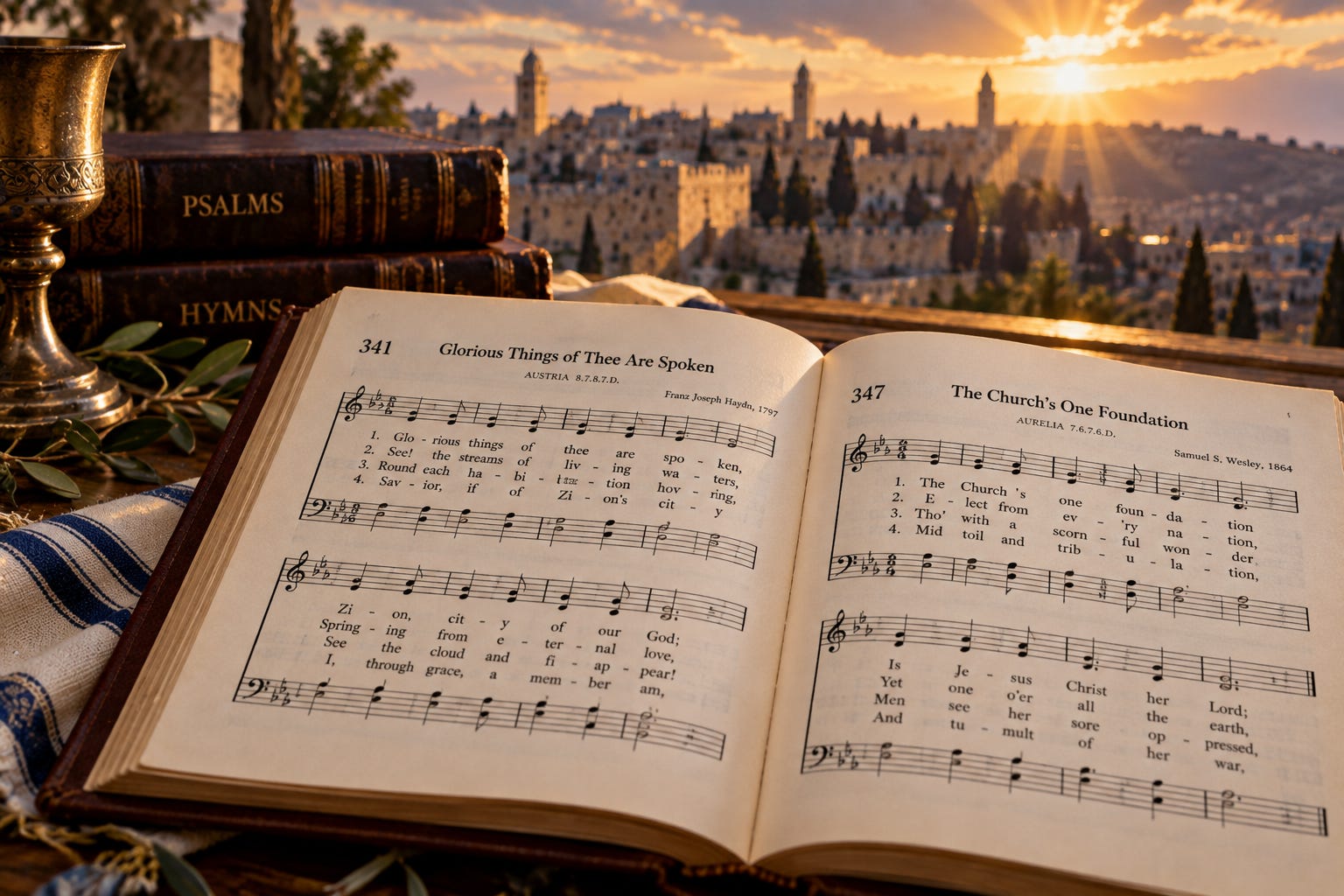
Glorious Things of Thee Are Spoken
Oct 17, 2026 · 5m
Psalm 87: Glorious Things of Thee Are SpokenThe City of God and the Conversion of the NationsThis is Reflections on the Psalms for October 17, 2026.When we come to Psalm 87, we come to what is...
Psalm 63: Learning to Pray with the Whole Body
Oct 14, 2026 · 6m
Psalm 63: Learning to Pray with the Whole BodyA Psalm of David, when he was in the wilderness of Judah.This psalm is one that I have actually attempted to memorize in a rapid way. I tried to...
Tears in a Bottle
Oct 11, 2026 · 3m
In Psalm 56, David asks God to put his tears in his bottle. David was suffering, even to the point of tears. His suffering was real in this world, and his tears were remembered by God.When we look...
Sometimes You Need a Javelin
Oct 7, 2026 · 4m
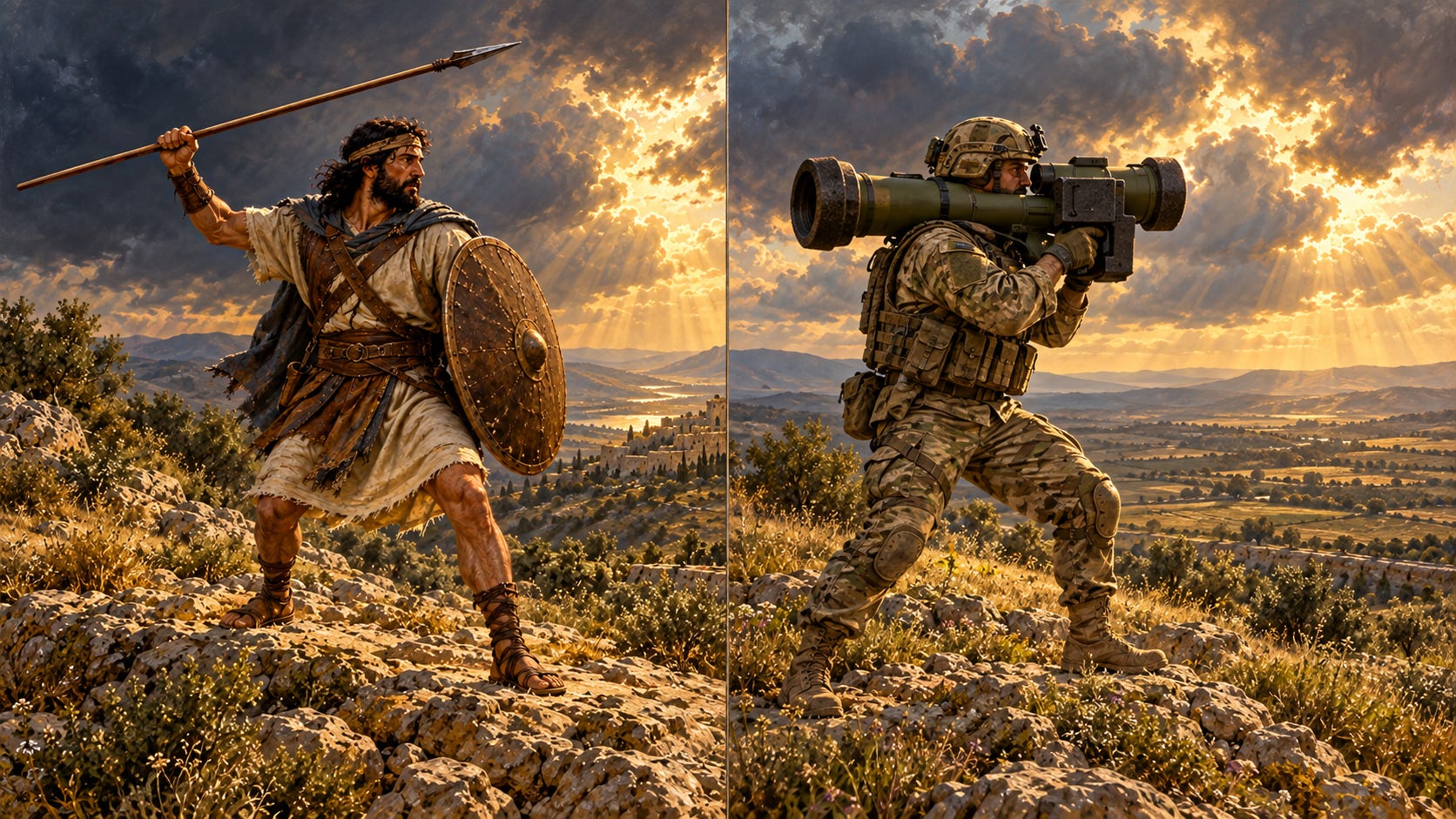
Today’s reflection on the Psalms, for the seventh of October, comes from Psalm 35:“Contend, O LORD, with those who contend with me; fight against those who fight against me! Take hold of shield and...
Take these sermons with you.
Follow Reflections on the Psalms Podcast in the Getsermons app to get every new sermon, build playlists, and pick up right where you left off.

