
Reflections on the Psalms Podcast
The Mariner’s Psalm
Sep 23, 2026 · 6m
Prefer sermons downloaded automatically?
About this sermon
Today’s Book of Common Prayer lectionary reading Psalm 107:23–32. It is a day late, but that is how it goes sometimes.
This part of Psalm 107 is known as the mariner’s psalm, because anyone who has spent enough time at sea has eventually been caught in a storm.
I once had this very passage framed and posted in the galley of a ship on which I served as captain. We sailed between Norfolk and the Azores, crossing the North Atlantic—home to some of the worst weather in the world. Perhaps the seas off South Africa or in the Roaring Forties are worse, but the North Atlantic is bad enough. I remember once finding ourselves in weather approaching Force 10.
When you have experienced something like that, you do not merely read this psalm. You can feel it:
Some went down to the sea in ships,
doing business on the great waters;
they saw the deeds of the LORD,
his wondrous works in the deep.
For he commanded and raised the stormy wind,
which lifted up the waves of the sea.
They mounted up to heaven; they went down to the depths;
their courage melted away in their evil plight;
they reeled and staggered like drunken men
and were at their wits’ end.
Yes, this is what mariners do: they go down to the sea in ships and conduct their business upon the great waters. Sail long enough, and eventually you will find yourself in a storm. The waves lift the ship toward heaven and then drop it into the depths. Men reel and stagger like drunkards. Their courage melts, and all their skill seems to disappear. They come to their wits’ end.
Psalm 107 tells us that the storm has not arisen outside the providence of God. He commands and raises the stormy wind.
The storm is not the absence of his love. It is the evidence of his love.
God has manifold reasons for sending storms. There is not just one reason. Sometimes he sends a storm to turn us from the way we are going. Sometimes he sends one to chastise us. Sometimes it is not connected to any particular sin at all, but is the suffering through which he matures us and teaches us to depend upon him.
Whatever the particular reason, the storm brings us to the end of ourselves. It puts us where we should always have been: calling upon the name of the Lord.
That is precisely what happens in the psalm:
Then they cried to the LORD in their trouble,
and he delivered them from their distress.
He made the storm be still,
and the waves of the sea were hushed.
Then they were glad that the waters were quiet,
and he brought them to their desired haven.
The storm produces the cry, and the cry is answered by deliverance. God stills the storm, quiets the waves, and brings the mariners into their desired haven. Through this movement they come to know him. They discover that God is good, and they learn to trust him as their Savior.
And this knowledge of God leads to worship:
Let them thank the LORD for his steadfast love,
for his wondrous works to the children of man!
Let them extol him in the congregation of the people,
and praise him in the assembly of the elders.
The Lord raises the storm. He brings us to our wits’ end so that we may cry to him. Then he stills the storm, delivers us from our distress, and brings us safely into our desired haven.
The purpose of the storm is not to destroy us, although in the midst of it we may feel as though we are being destroyed. Its purpose is to give us a deeper knowledge of the God who raises the wind, stills the waves, and saves his people.
The final movement of the storm—its encore—is worship. That is its telos.
And when we turn to the New Testament, we see this same movement played out on the Sea of Galilee. The God who stills the storm in Psalm 107 is revealed to us in Jesus Christ.
In Mark 4, beginning in verse 35:
“That day when evening came, he said to his disciples, ‘Let us go over to the other side.’”
And then, as they cross the sea, a furious squall comes up. The waves break over the boat so that it is nearly swamped.
The storm did not come because of some sin of the disciples. It just came. In fact, they were in the boat because Jesus had told them to go to the other side.
And Jesus was in the stern, sleeping on a cushion.
The disciples woke him and said, “Teacher, don’t you care if we drown?”
Here we see something the disciples still do not understand about their teacher. The storm becomes the occasion for them to learn who Jesus really is.
Jesus gets up. He rebukes the wind and says to the waves, “Quiet! Be still!”
Then the wind dies down, and it is completely calm.
He says to his disciples, “Why are you so afraid? Do you still have no faith?”
And they are terrified and ask each other, “Who is this? Even the wind and the waves obey him!”
That is the question.
Who is this?
Psalm 107 has already given us the answer. The LORD raises the storm, the sailors cry out to the LORD in their distress, and the LORD stills the storm and quiets the waves.
And now Jesus stands in a boat and does exactly that.
The storm becomes an occasion to build faith and trust in God and to reveal who Jesus is. Without the storm, the disciples would not have seen this revelation of his power in the same way. Their distress became the occasion for them to know their Savior more deeply.
And this event must have stayed with them for the rest of their lives: they had been in the boat. They had seen the waves. They had thought they were going to die. And then they saw Jesus stand and command the sea.
We participate in that certainty by hearing their testimony.
Storms are going to come. Some may correct our course. Some may mature us. Some may simply become occasions through which God teaches us to trust him more deeply. We do not always know why a particular storm has come.
But the storm is not the absence of his love.
And so, as you think about Psalm 107 and Jesus calming the storm, remember who he is. Remember your need. Cry out to him in your distress.
And when you see his deliverance, come and worship.
This is a public episode. If you would like to discuss this with other subscribers or get access to bonus episodes, visit william945.substack.com
More from Reflections on the Psalms Podcast
Today, If You Hear His Voice
Nov 19, 2026 · 8m
Psalm 95: Today, If You Hear His VoicePsalm 95 is actually part of the daily prayers in the Book of Common Prayer. It is known as the Venite and is repeated in Anglican churches throughout the...

The Blessed Man and the Shema
Nov 2, 2026 · 3m
One of the things I’ve noticed is the similarities between Psalm 1 and the Shema, which was the great confession of ancient Israel and remains part of the daily prayers of Jews even today.When Jesus...
Glorious Things of Thee Are Spoken
Oct 17, 2026 · 5m
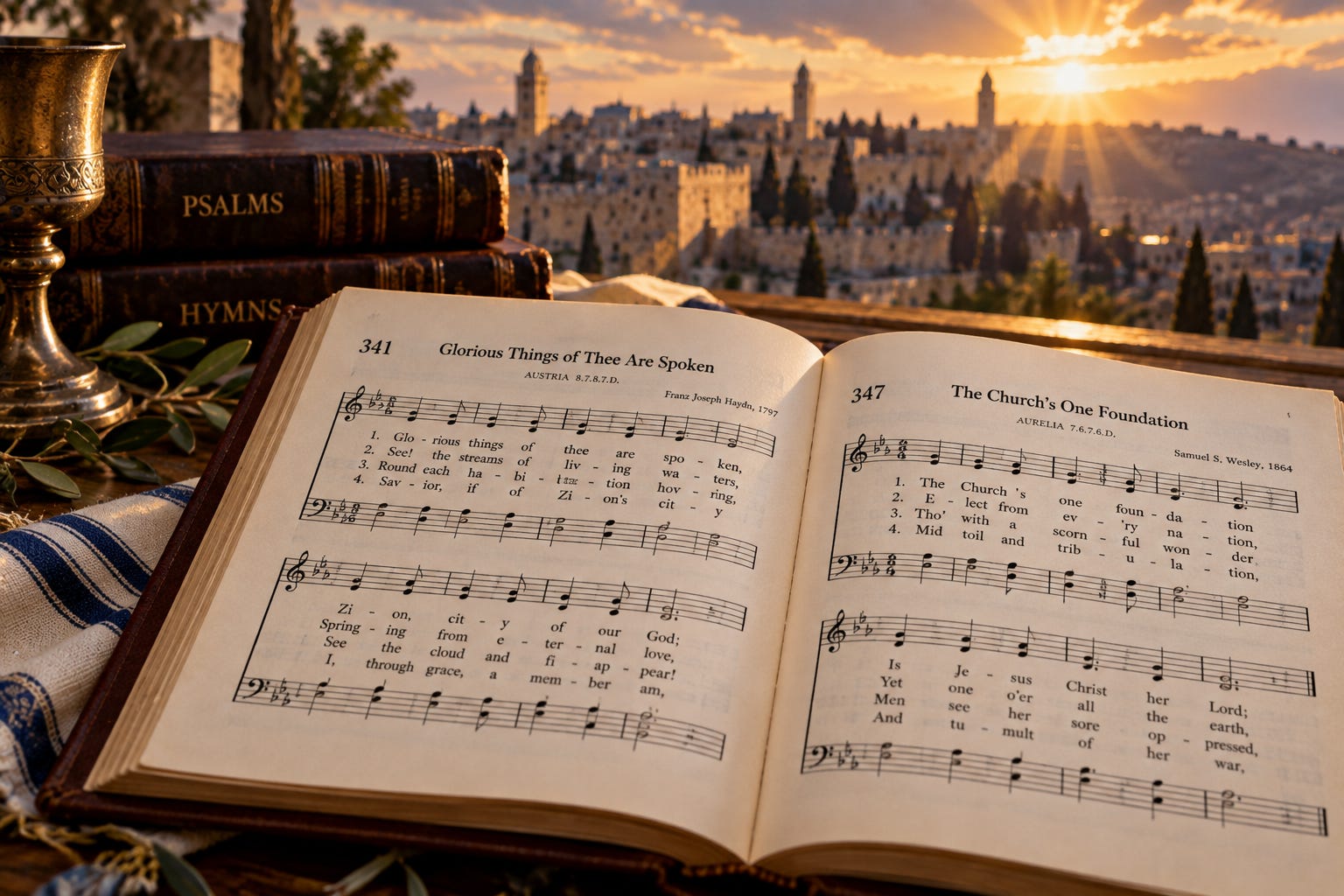
Psalm 87: Glorious Things of Thee Are SpokenThe City of God and the Conversion of the NationsThis is Reflections on the Psalms for October 17, 2026.When we come to Psalm 87, we come to what is...

Psalm 63: Learning to Pray with the Whole Body
Oct 14, 2026 · 6m
Psalm 63: Learning to Pray with the Whole BodyA Psalm of David, when he was in the wilderness of Judah.This psalm is one that I have actually attempted to memorize in a rapid way. I tried to...
Tears in a Bottle
Oct 11, 2026 · 3m
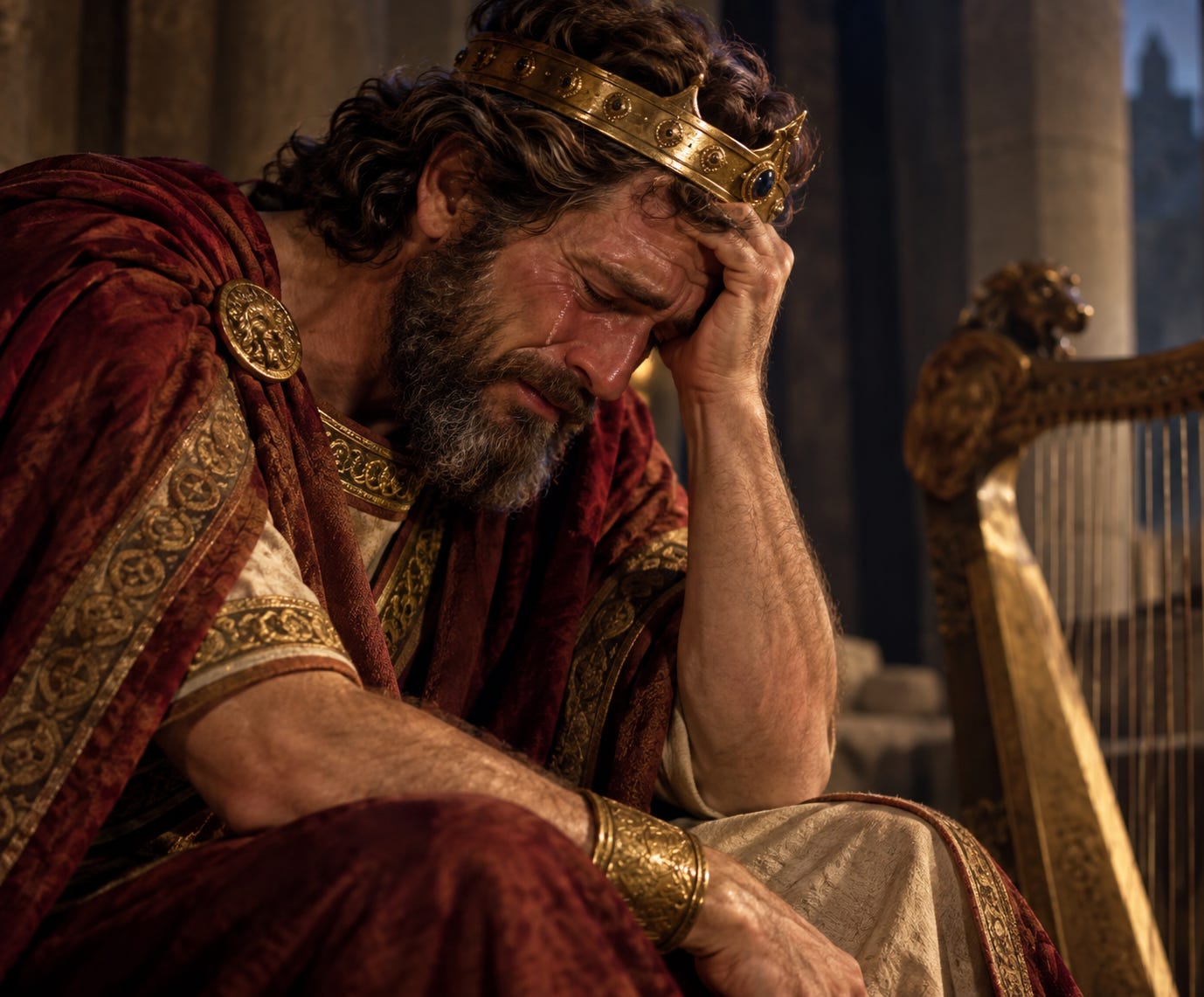
In Psalm 56, David asks God to put his tears in his bottle. David was suffering, even to the point of tears. His suffering was real in this world, and his tears were remembered by God.When we look...
Sometimes You Need a Javelin
Oct 7, 2026 · 4m
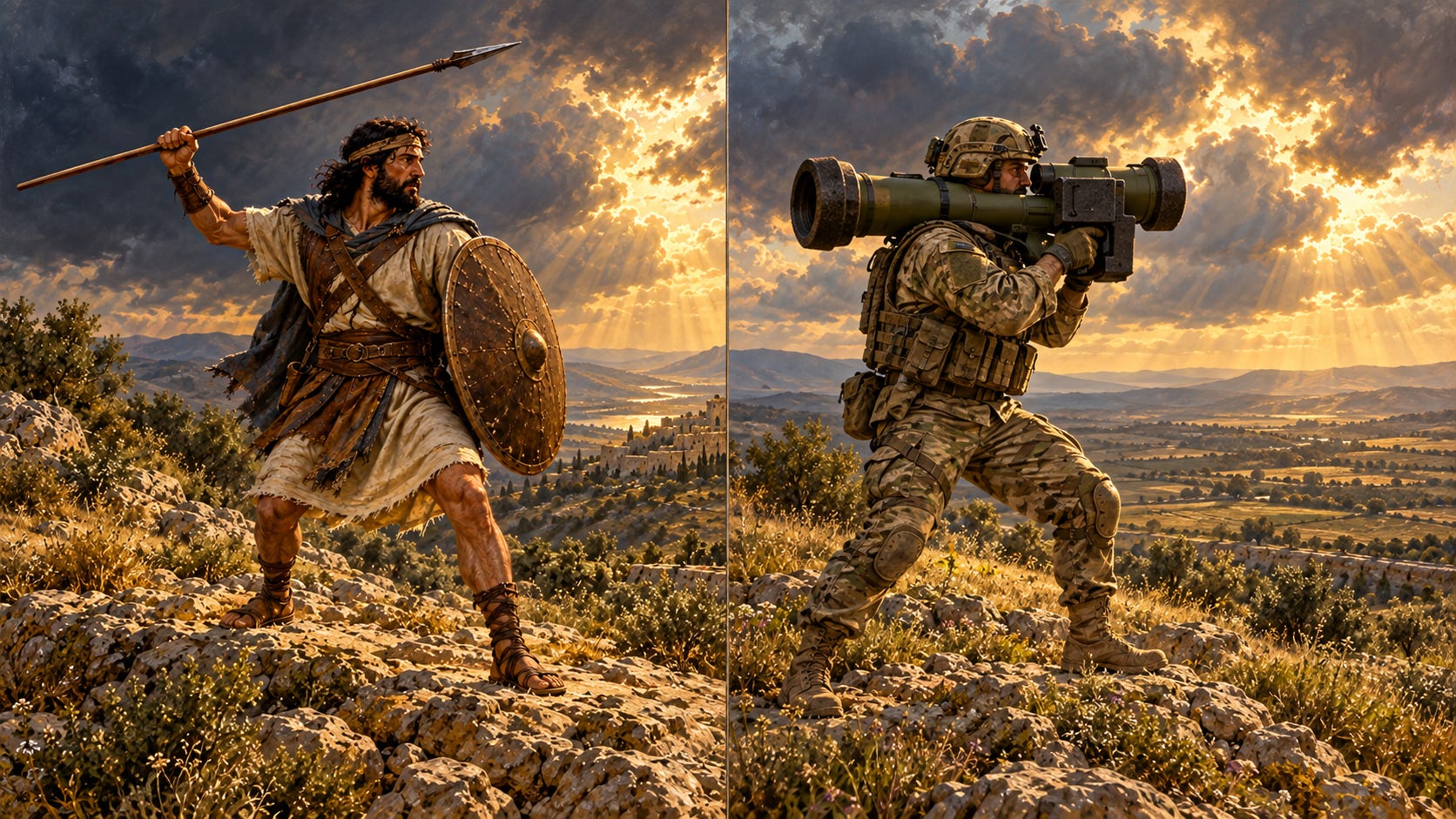
Today’s reflection on the Psalms, for the seventh of October, comes from Psalm 35:“Contend, O LORD, with those who contend with me; fight against those who fight against me! Take hold of shield and...
Take these sermons with you.
Follow Reflections on the Psalms Podcast in the Getsermons app to get every new sermon, build playlists, and pick up right where you left off.

