
Reflections on the Psalms Podcast
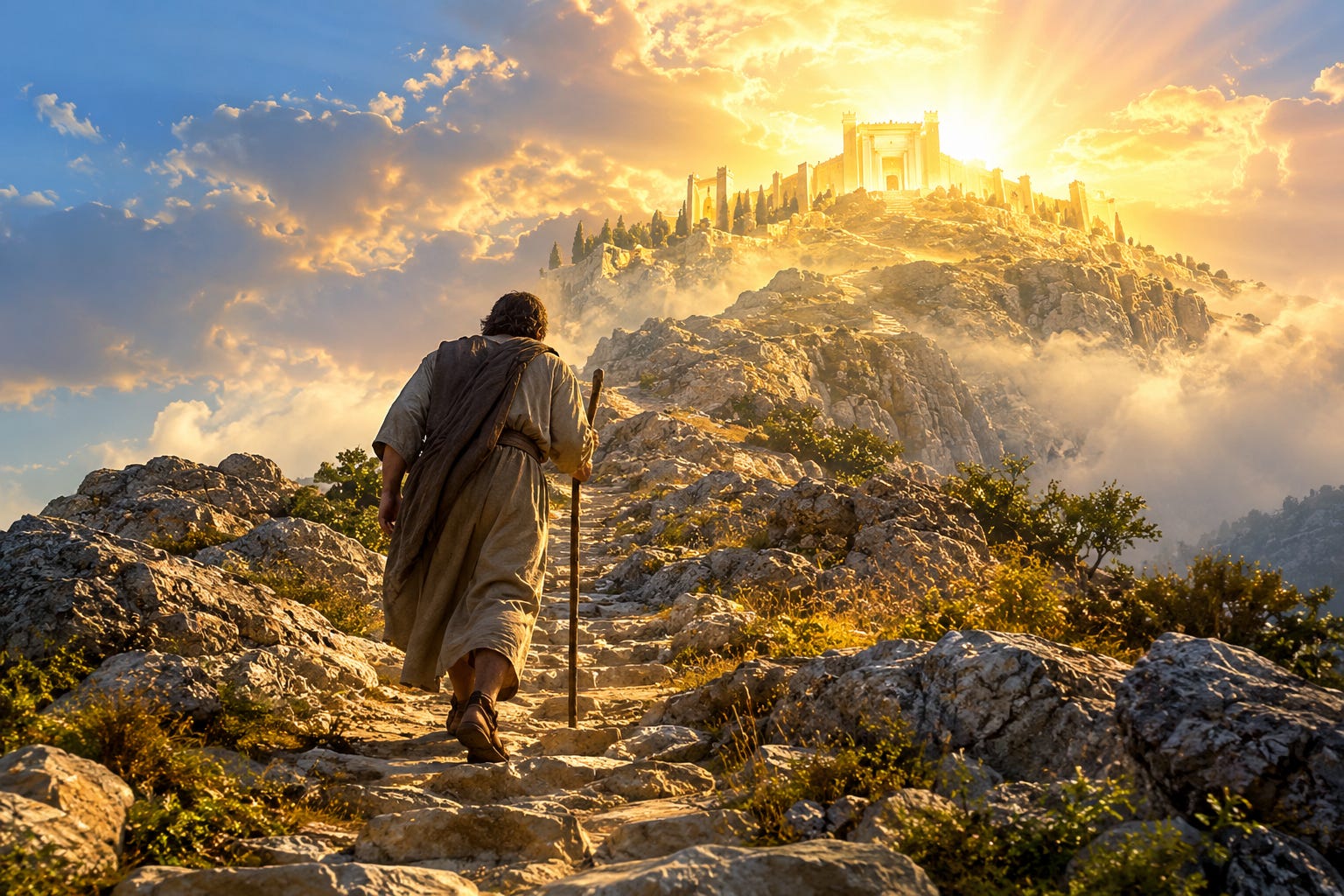
Who Shall Dwell on the Holy Hill?
Oct 3, 2026 · 4m
Prefer sermons downloaded automatically?
About this sermon
Today’s morning reading from the Book of Common Prayer lectionary is Psalm 15, a Psalm of David.
Psalm 15
O LORD, who shall sojourn in your tent?Who shall dwell on your holy hill?
He who walks blamelessly and does what is rightand speaks truth in his heart;who does not slander with his tongueand does no evil to his neighbor,nor takes up a reproach against his friend;in whose eyes a vile person is despised,but who honors those who fear the LORD;who swears to his own hurt and does not change;who does not put out his money at interestand does not take a bribe against the innocent.
He who does these things shall never be moved.
When you read this Psalm, the question is: Who shall dwell on the holy hill? Who shall ascend the mountain of the Lord?
I recently heard a sermon on this passage, and the preacher made an interesting observation.
First, he said, no one. All have sinned.
Then he said, only one. The Lord Jesus Christ was the only perfect man. He ascended the hill. He dwells on the holy hill.
Then he said, anyone. Anyone who puts their faith in Jesus Christ may dwell on the holy hill.
And then he made an interesting statement. He said, everyone.
Now, obviously, he wasn’t a universalist, and I may be misquoting him here. But what he was saying is that the offer of the Gospel is made irrespective of the condition of the person. When you hear the Gospel preached, the offer is there. Everyone, whoever, whosoever will come, is welcome at the table. They are welcome to dwell on the holy hill.
Now, one of the things you see in this particular passage is the expression, “He who walks blamelessly.”
Walking is a metaphor for faith. It is a verbal picture of faith. We talk about walking in the Spirit and being led by the Spirit. These are verbal pictures of faith. We see faith by what it does. Faith is trust.
The Psalm doesn’t actually use the word faith here, but we know what walking means. Think about Enoch. Enoch walked with God, and God took him.
“He who walks blamelessly and does what is right and speaks truth in his heart.”
Everything being described here is basically keeping the law.
But it is not keeping the law in order to be saved. It is keeping the law because you have been saved. In other words, these works are the evidence of your salvation. They are not the means by which you obtain salvation.
So often, when we read the Old Testament, we have to understand that it has a very earthy, wooden texture to it. It doesn’t always explain things in precise philosophical language or describe the instrumental means by which we are saved through faith in Jesus Christ.
Instead, it uses very simple words: walking, talking, sitting, standing, and keeping the law.
But it is not saying that you keep the law in order to obtain life. It is saying that when you have life, this is what you do.
So when the Psalm asks, “Who shall dwell on the holy hill?” the answer is those who walk blamelessly. They walk blamelessly because they have been saved by Jesus Christ, because they have put their faith in Him, and they produce the works that come from that faith.
But the works do not save.
Conversely, there is a warning here as well.
If you do not walk blamelessly, you don’t have the faith that saves. The law drives you out of yourself to embrace the Redeemer and His salvation. And in that salvation, you will begin to produce the works thereof. They come from that faith in Jesus Christ.
So, brother or sister, if you’re listening to this and your life has no evidence of any righteousness, you are not walking blamelessly, but you have made a profession of faith in Jesus Christ, ask yourself: Is that profession simply an acknowledgment of the truth, or is it an embracing of and putting your faith in Jesus Christ?
And that ends the reflection on the Psalms for today.
This is a public episode. If you would like to discuss this with other subscribers or get access to bonus episodes, visit william945.substack.com
More from Reflections on the Psalms Podcast
Today, If You Hear His Voice
Nov 19, 2026 · 8m
Psalm 95: Today, If You Hear His VoicePsalm 95 is actually part of the daily prayers in the Book of Common Prayer. It is known as the Venite and is repeated in Anglican churches throughout the...
The Blessed Man and the Shema
Nov 2, 2026 · 3m
One of the things I’ve noticed is the similarities between Psalm 1 and the Shema, which was the great confession of ancient Israel and remains part of the daily prayers of Jews even today.When Jesus...
Glorious Things of Thee Are Spoken
Oct 17, 2026 · 5m
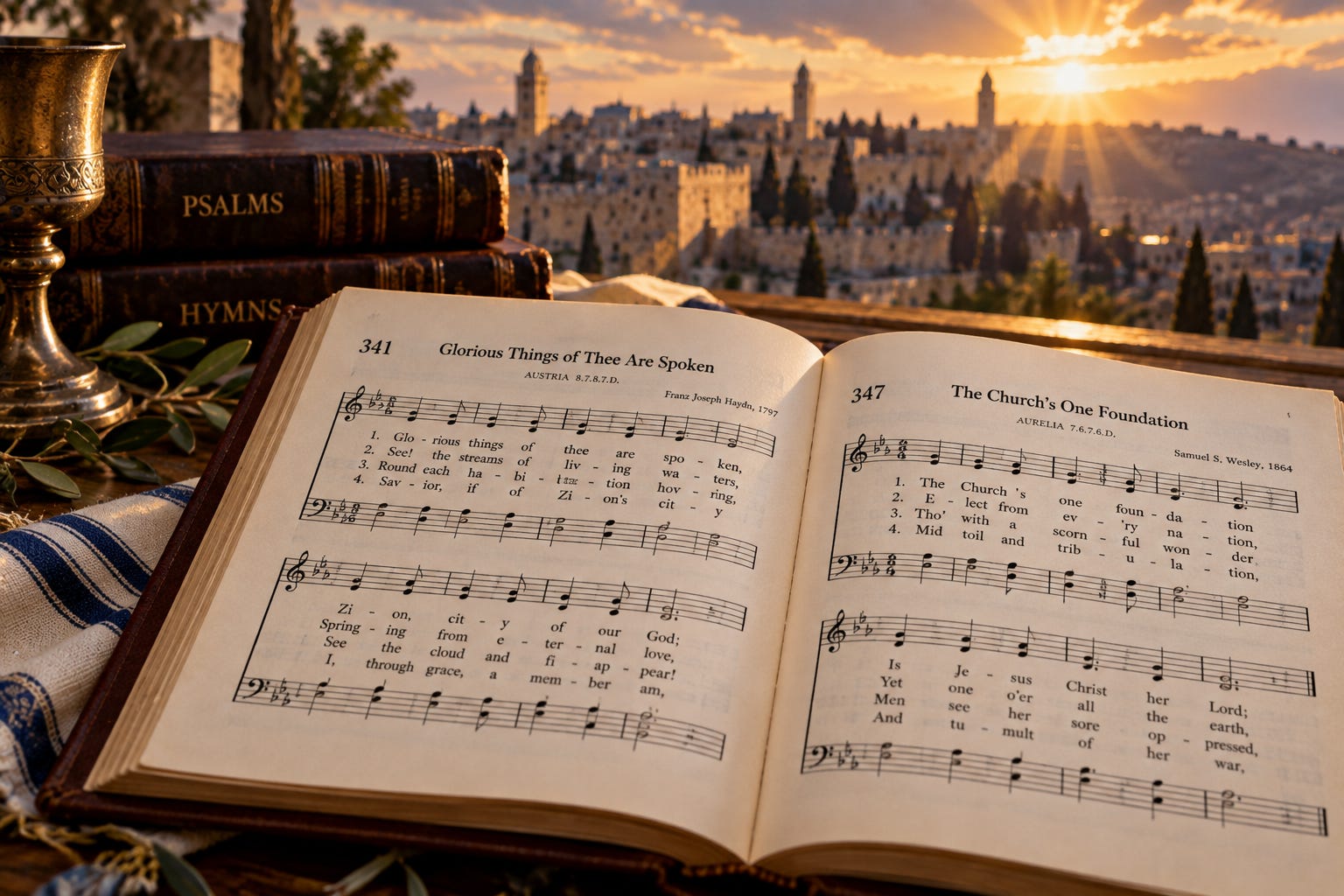
Psalm 87: Glorious Things of Thee Are SpokenThe City of God and the Conversion of the NationsThis is Reflections on the Psalms for October 17, 2026.When we come to Psalm 87, we come to what is...
Psalm 63: Learning to Pray with the Whole Body
Oct 14, 2026 · 6m
Psalm 63: Learning to Pray with the Whole BodyA Psalm of David, when he was in the wilderness of Judah.This psalm is one that I have actually attempted to memorize in a rapid way. I tried to...
Tears in a Bottle
Oct 11, 2026 · 3m
In Psalm 56, David asks God to put his tears in his bottle. David was suffering, even to the point of tears. His suffering was real in this world, and his tears were remembered by God.When we look...
Sometimes You Need a Javelin
Oct 7, 2026 · 4m
Today’s reflection on the Psalms, for the seventh of October, comes from Psalm 35:“Contend, O LORD, with those who contend with me; fight against those who fight against me! Take hold of shield and...
Take these sermons with you.
Follow Reflections on the Psalms Podcast in the Getsermons app to get every new sermon, build playlists, and pick up right where you left off.

