
The Redemption Project: Redemption Stories
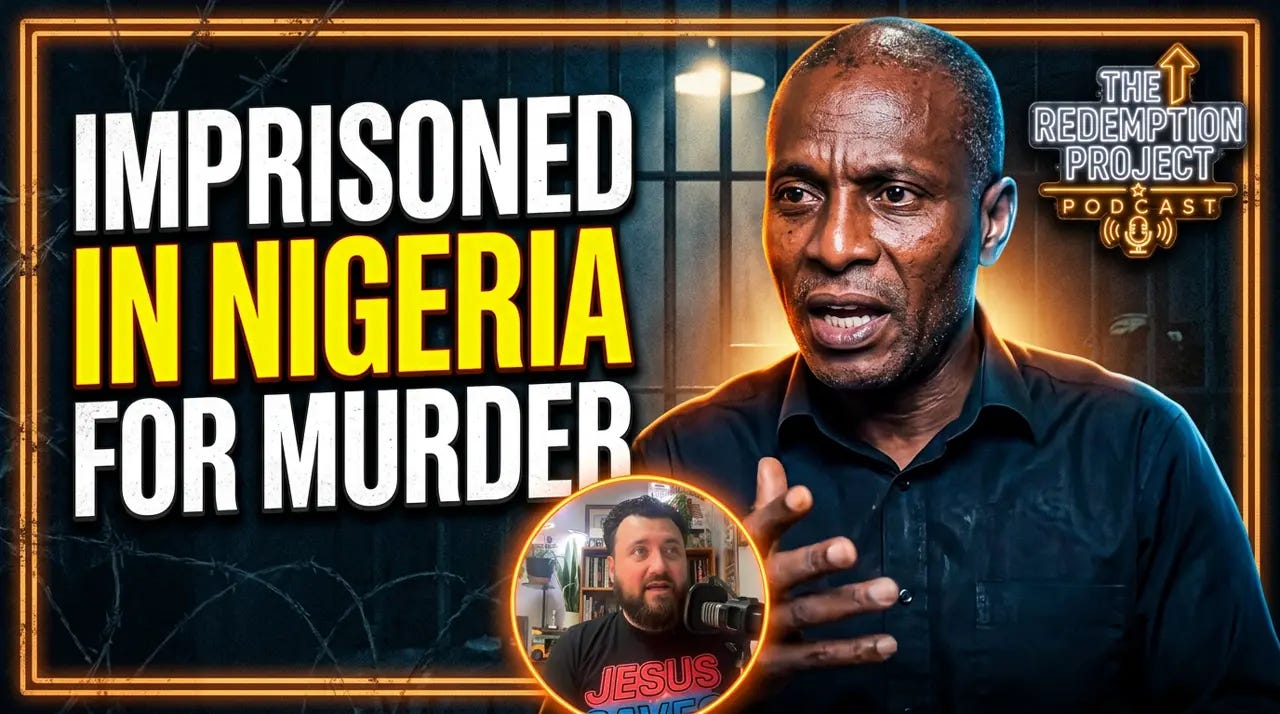
He Was Arrested for a Murder He Says He Didn't Commit. Then He Believed God Had Another Purpose for His Imprisonment.
Oct 23, 2026 · 33m
Prefer sermons downloaded automatically?
About this sermon
Baba had no idea that renting an apartment for a few days would change the direction of his life.
In 2021, he needed to conduct business in another part of Lagos, Nigeria. Rather than travel back and forth across the city, he arranged a short stay in an Airbnb-style apartment.
It was an ordinary decision.
He completed his stay and left.
According to Baba, a murder occurred in the neighboring apartment a day or two later. He says he did not know the victim, had never met him and had no connection to the crime.
But the victim was reportedly the owner of a media company, and the killing attracted significant attention.
Within weeks, Baba found himself at the center of a criminal investigation he says he had nothing to do with.
What followed would leave him fearing for his life, confronting his understanding of faith and eventually writing a book with a title that captures how he came to interpret the experience:
How God Arrested Me.
When I spoke with Baba on The Redemption Project Podcast, I expected to hear the story of a man who said he had been falsely accused of murder.
That is part of his story.
But he was far more interested in telling me what happened inside him while he waited for freedom.
An Arrest Without Answers
Baba grew up in a relatively comfortable Nigerian family. He received much of his education in the United Kingdom, attending school in Scotland and studying at universities in Hull and Edinburgh.
He had opportunities, education and family connections.
He was accustomed to navigating the world with some measure of security.
Then, one evening in Lagos, that security disappeared.
About two or three weeks after the murder, Baba says he stepped outside his home in a gated residential estate to take a walk and use his phone.
Two men approached him.
They had a photograph.
They appeared to recognize his face, although Baba says they initially had the wrong first name.
Before he could understand what was happening, he was forced to the ground and handcuffed.
Residents and security personnel challenged the men. According to Baba, weapons were produced, and the crowd backed away.
In the confusion, he managed to pass his phone to a resident, who contacted his girlfriend and father.
That may have been one of the most important things he did that evening.
At least someone knew he had been taken.
Baba says the men did not initially tell him why he was being arrested. They placed him inside a vehicle with darkened windows and drove away.
He feared he was being kidnapped.
Nigeria has experienced serious problems involving kidnapping and ransom demands, and Baba says he had no immediate way to distinguish what was happening to him from the stories he had heard.
He began pleading for his life.
He even offered money.
Only after arriving at a police station did he learn that the authorities were questioning him about a murder.
Investigators showed him a news clipping concerning the killing.
The location was familiar.
It was the apartment building where he had stayed.
Suddenly, an ordinary lodging decision had become the apparent connection between Baba and a homicide investigation.
He asked for a lawyer and resisted pressure, as he describes it, to provide a written statement without legal counsel.
Then he was locked up.
The First Night
Baba’s description of his first night in detention was difficult to hear.
He recalled entering a crowded room where people were sleeping on top of one another.
There was little space.
Rats moved through the area.
The smell of urine and human waste filled the room.
He said he spent much of that first night standing against a wall, unable to sleep, trying to understand how his life had reached this point.
This was not the life he recognized.
He had grown up with advantages.
He had studied abroad.
He had family members working to secure his release.
Now he was in a cell with people accused of serious crimes, uncertain about what would happen next.
He was also frightened by what he had heard about the treatment of detainees at the facility. In our conversation, Baba alleged that people could disappear from custody, particularly when no one outside knew where they were.
Those claims were part of his account and have not been independently established for this article.
But whether the danger he feared would actually materialize or not, his terror was real.
He did not know when he would leave.
He did not know what authorities would do.
And he did not know whether his family’s resources could protect him.
Then he began reading a Bible.
When Every Connection Seems Powerless
Baba had been a Christian long before his arrest.
He told me he committed his life to Christ when he was about 10 years old and had maintained some level of prayer and belief throughout his life.
But he made an important distinction.
He had known about God.
He had not always surrendered the direction of his life to God.
Inside the cell, those two realities began to collide.
He started reading the Psalms.
He reflected on the people he knew, the opportunities he had enjoyed and the influence his family might be able to exercise.
Yet he increasingly felt that none of those connections could determine when he would be released.
He described sensing a message in his heart: His release would happen in God’s time, not simply because he knew the right people.
He also believed he had a purpose inside the detention facility.
That was not the answer he wanted.
He wanted to go home.
He wanted the accusation resolved.
He wanted to return to the life he understood.
Instead, he began confronting something far more personal.
His pride.
His dependence on circumstances he thought he could control.
And his reluctance to surrender when the outcome was uncertain.
I have heard many stories of people encountering God during incarceration. Some were serving sentences for crimes they acknowledged committing. Others were struggling with circumstances they believed were unjust.
What interested me about Baba’s experience was that he did not describe his faith merely as a way of getting through the confinement.
He believed God was asking him to do something while he was there.
Worshipping Beside Men He Had Already Judged
At some point during his detention, Baba says he was moved from the severely overcrowded general holding area to a smaller section.
There, he encountered a Christian fellowship.
He described a system in which detainees’ names, numbers and alleged offenses were called aloud.
It meant he had some idea of what the men around him had been accused of doing.
One young man particularly disturbed him.
Baba recalled being told that the man had committed multiple killings.
Yet when Baba entered the fellowship, he saw that same man worshipping, praying and seeking God’s forgiveness.
He struggled with what he was witnessing.
How could someone accused of such terrible acts stand beside him and ask for the same mercy?
Was forgiveness really available to that man?
And if it was, what did that say about Baba’s own understanding of grace?
He began realizing that he was evaluating the people around him according to the crimes associated with their names.
He had placed himself in a different moral category.
He believed he was innocent of the charge against him, but he also recognized that innocence of a particular criminal accusation did not make him morally perfect.
The distinction changed his perspective.
Christianity teaches that human beings fall short of God’s standard and that grace is not earned through a comparison of who has committed the worst offense.
That does not eliminate accountability.
It does not erase the suffering of victims.
It does not make every act equally harmful.
But it does challenge the assumption that some people are beyond the reach of repentance and mercy.
Baba told me this encounter forced him to reconsider how he saw the men around him.
Rather than looking down on them, he began joining them in fellowship.
And soon, he would be asked to lead.
The Unexpected Prison Preacher
Baba had not entered detention intending to become a preacher.
He did not consider himself…
Get full access to The Redemption Project Newsroom at newsroom.theredemptionproject.news/subscribe
More from The Redemption Project: Redemption Stories
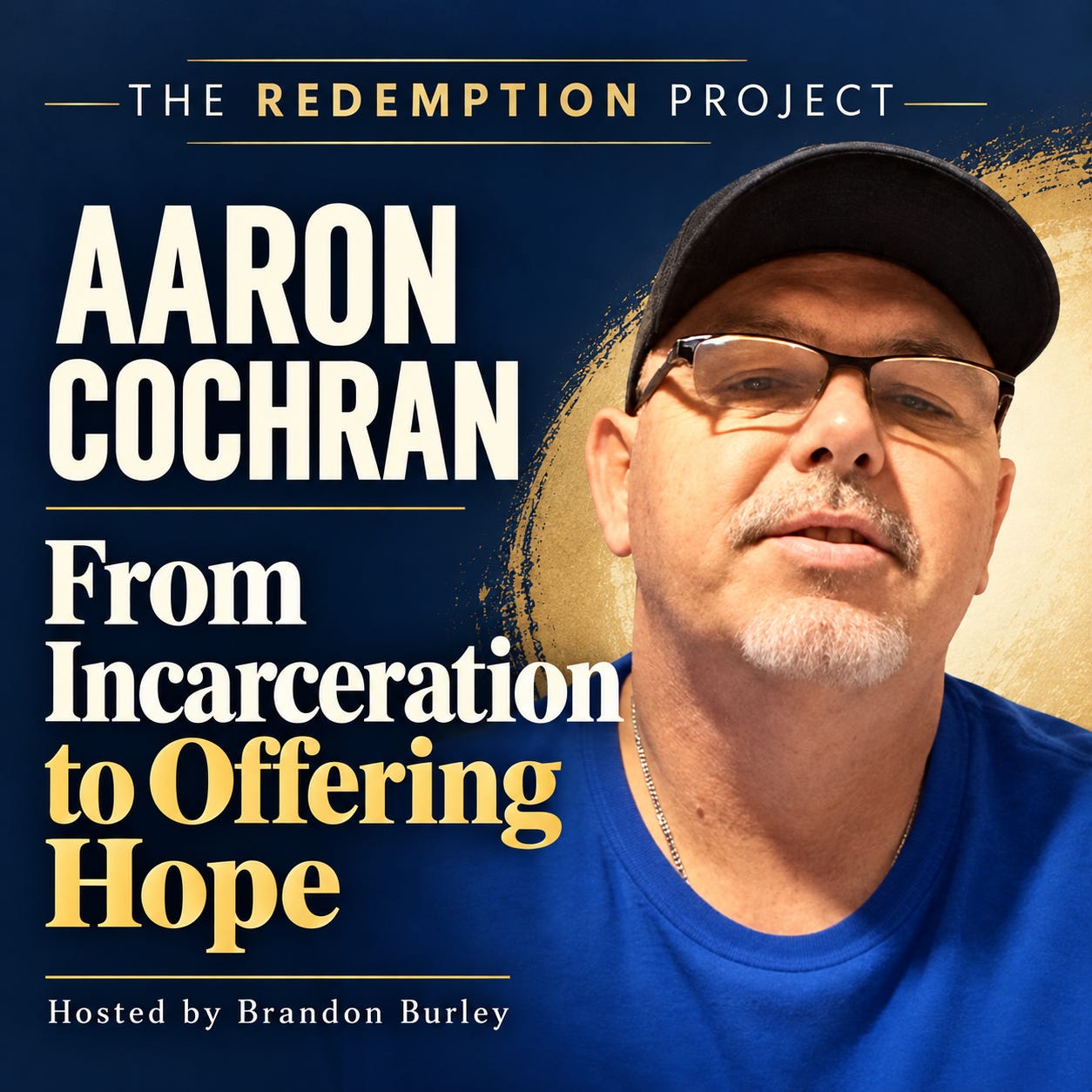
Aaron Cochran: From Incarceration to Offering Hope
Nov 27, 2026 · 30m
When Aaron Cochran talks about his past, he keeps returning to what he wants to do with the life he has now: give people hope.Aaron joins Brandon Burley to describe addiction, incarceration, faith,...

Cameron Arnett: Christ Over Career
Nov 20, 2026 · 37m
What happens after a decision you believe is right costs more than you expected?Cameron Arnett joins Brandon Burley for a conversation about acting, faith, and the long period of rebuilding that...
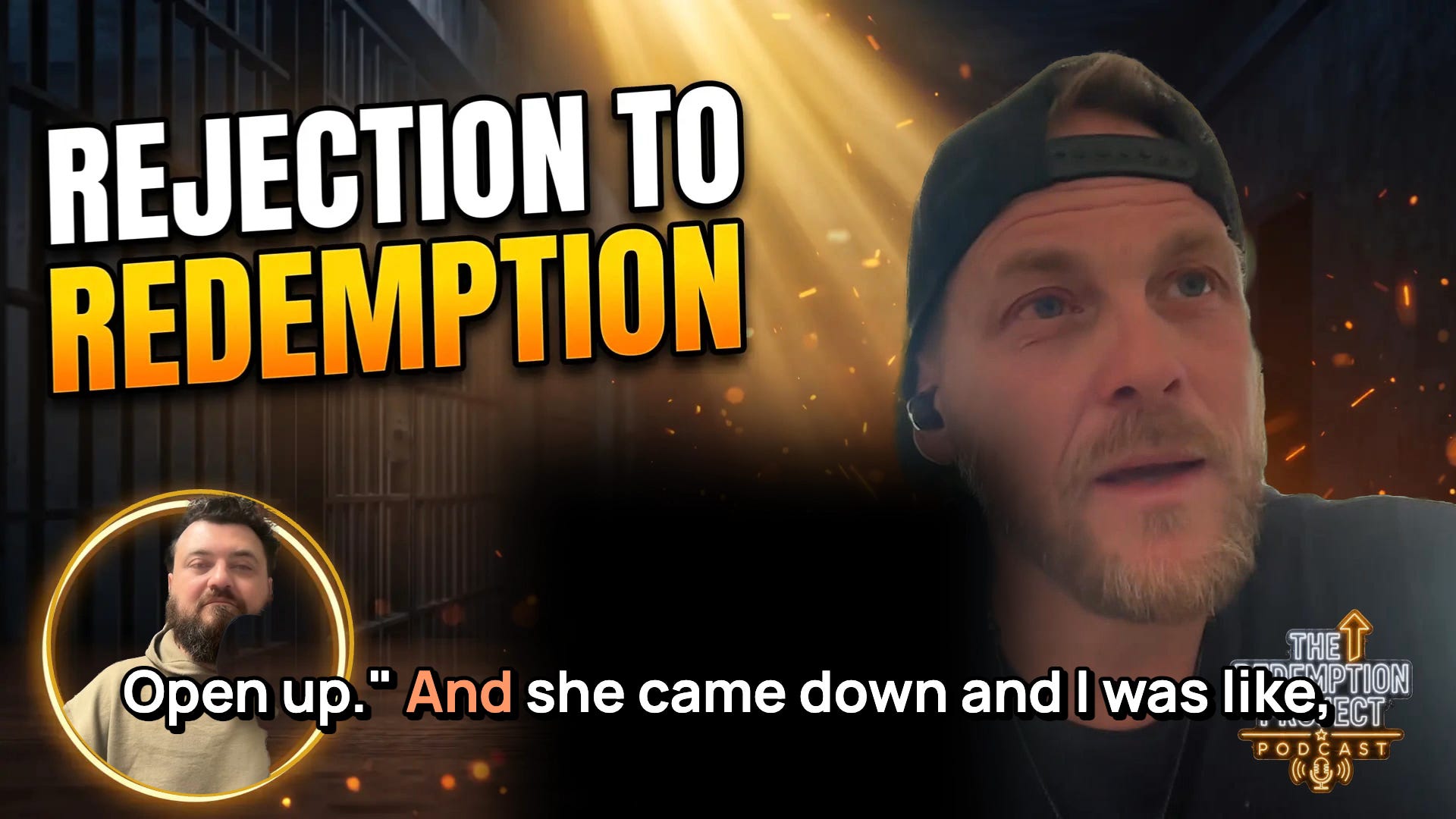
Rob Decker Survived the Fall. Redemption Took Longer
Nov 13, 2026 · 1h 5m
Content note: This story discusses suicide, childhood abuse, addiction, and allegations of sexual violence.Rob Decker remembers lying on the concrete, looking up at the third-story window he had...
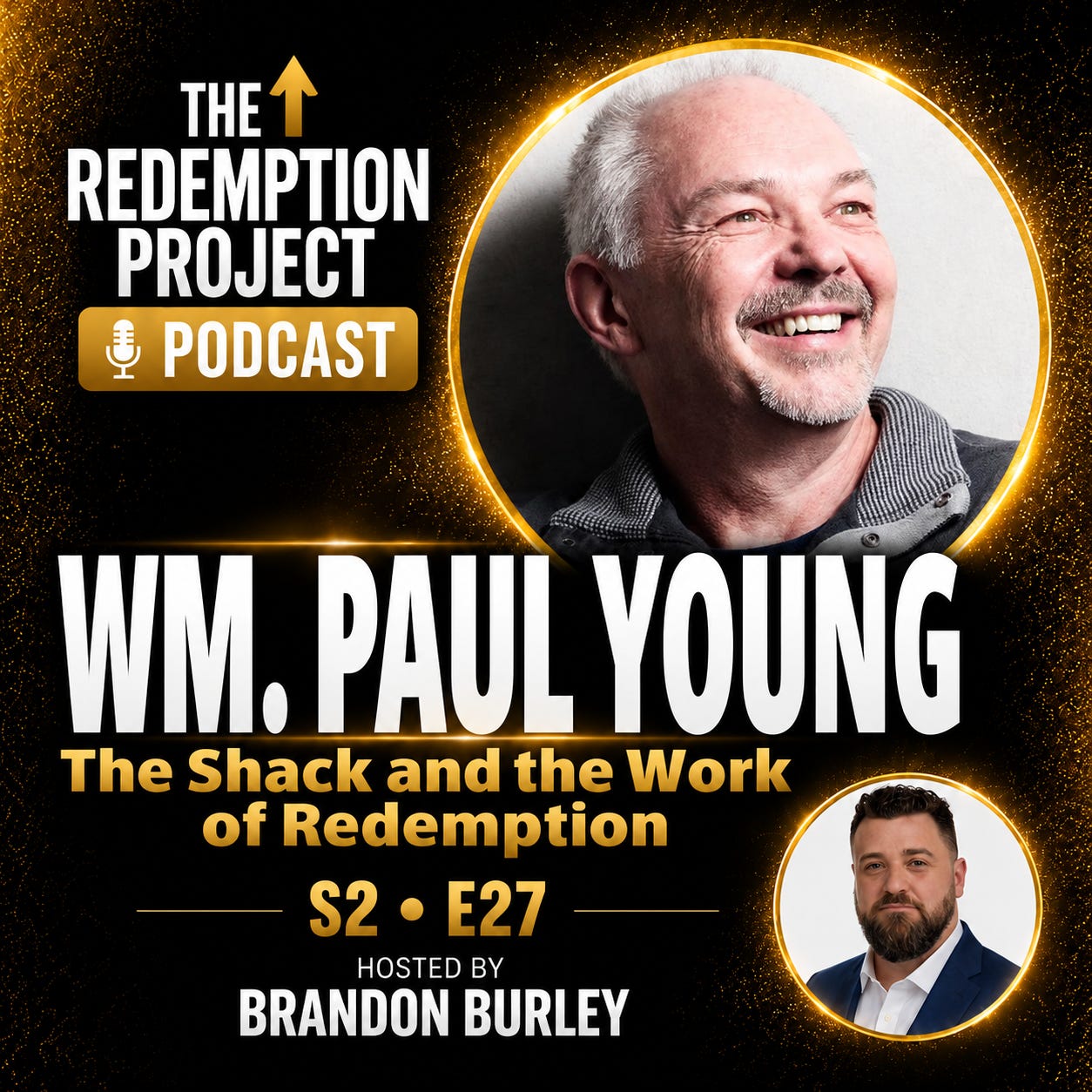
Wm. Paul Young: The Shack and the Work of Redemption
Nov 10, 2026 · 46m
Before The Shack reached strangers, Wm. Paul Young had to face the damage he had caused among the people who knew him best.In our conversation, he describes a crisis at 38, when his wife, Kim,...
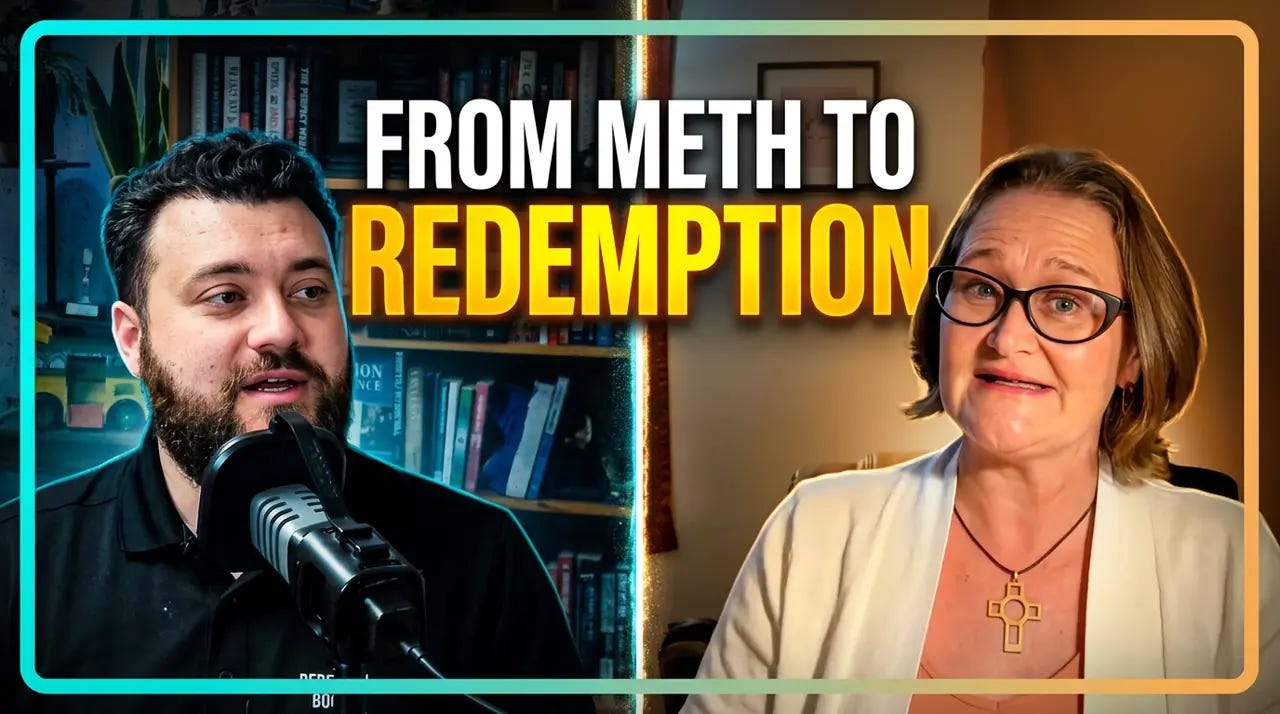
Ashley Cantrell Found Faith in Jail. Getting Clean Took Longer.
Nov 6, 2026 · 17m
When Ashley Cantrell turned herself in to the Murray County Jail in Georgia, she had spent approximately three months avoiding arrest. She was tired of looking over her shoulder, tired of wondering...

Aaron Kinzel: Out of the Convict Closet
Nov 3, 2026 · 53m
What should a second chance ask of someone—and what should it make possible?Aaron Kinzel joins Brandon Burley for a conversation that holds responsibility and rehabilitation together. Kinzel...
Take these sermons with you.
Follow The Redemption Project: Redemption Stories in the Getsermons app to get every new sermon, build playlists, and pick up right where you left off.

