
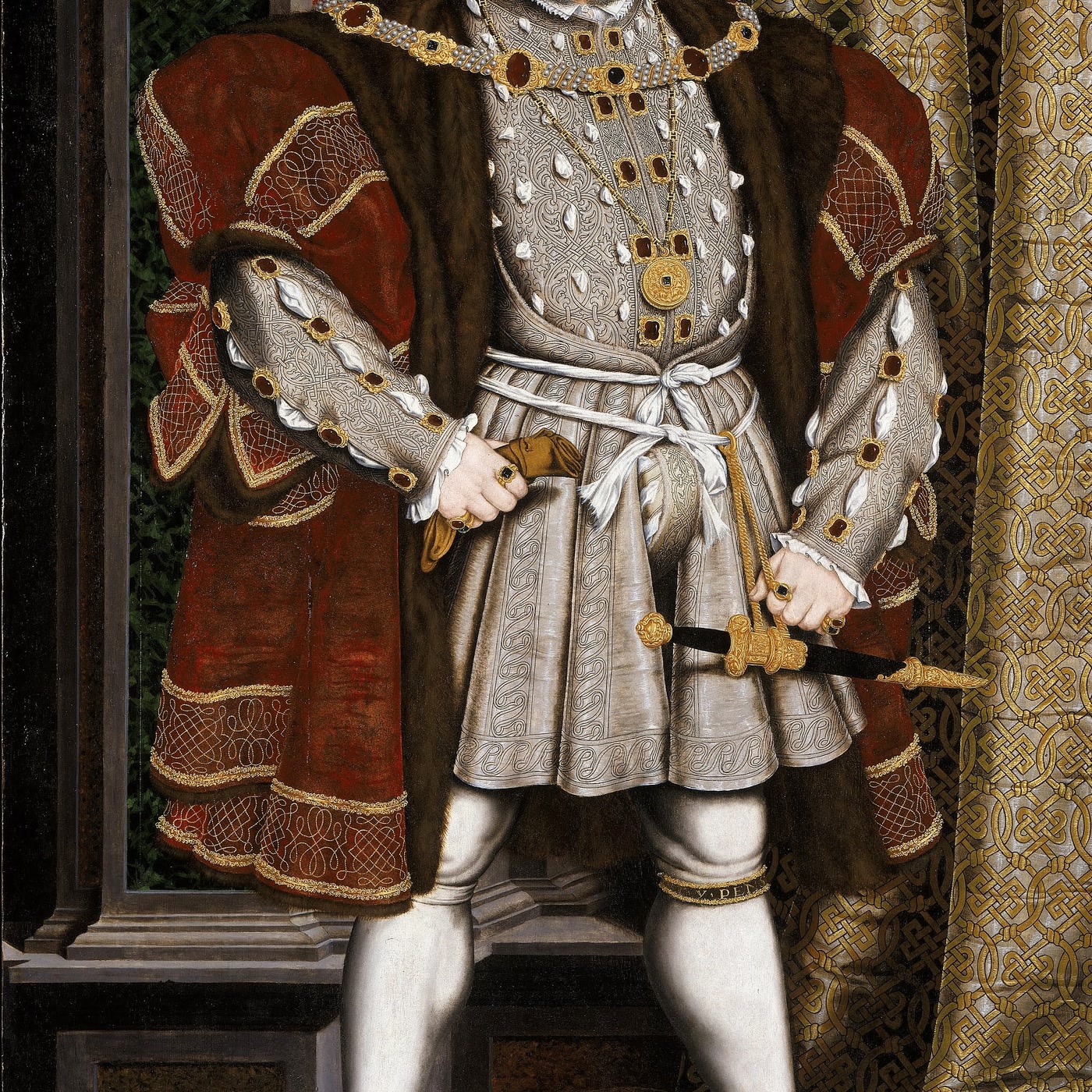
A Survey of Anglican History
Henry VIII
Apr 19, 2026 · 1h 24m
Prefer sermons downloaded automatically?
About this sermon
Henry VIII (28 June 1491 – 28 January 1547) was King of England from 22 April 1509 until his death in 1547. After the Pope refused to annul his marriage to Catherine of Aragon, Henry passed legislation that severed England and Ireland from the Roman Catholic Church and established the monarch as Supreme Head of the Church of England, initiating the English Reformation. He subsequently married five more times; two marriages were annulled, and two wives were executed. Henry was born in Greenwich as the second son of Henry VII and Elizabeth of York. His elder brother, Arthur, Prince of Wales, was heir apparent until he died in 1502, after which Henry succeeded him. Originally intended for an ecclesiastical career, he instead received an education suited to kingship. Of his six siblings, only Margaret and Mary survived into adulthood. Henry brought radical changes to the Constitution of England, expanding royal power and ushering in the theory of the divine right of kings in opposition to papal supremacy. He frequently used charges of treason and heresy to quell dissent, and those accused were often executed without a formal trial using bills of attainder. He achieved many of his political aims through his chief ministers, some of whom were banished or executed when they fell out of his favour. Thomas Wolsey, Thomas More, Thomas Cromwell, and Thomas Cranmer all figured prominently in his administration. Henry was an extravagant spender, using proceeds from the dissolution of the monasteries and acts of the Reformation Parliament. He converted money that was formerly paid to Rome into royal revenue. Despite the money from these sources, he was often on the verge of financial ruin due to personal extravagance and the costs of his largely unproductive wars with France and Scotland. He founded the Royal Navy, oversaw the annexation of Wales to England with the Laws in Wales Acts 1535 and 1542, and was the first English monarch to rule as King of Ireland following the Crown of Ireland Act 1542. Henry's contemporaries considered him an attractive, educated, and accomplished king. He has been described as "one of the most charismatic rulers to sit on the English throne" and his reign described as the "most important" in English history. He was an author and composer. As he aged, he became severely overweight and his health suffered, and he was frequently characterised in his later life as a lustful, egotistical, paranoid, and tyrannical monarch. He longed for a son and heir, which he finally received from his third marriage to Jane Seymour. Jane's son succeeded Henry as Edward VI. Nonetheless, his daughters by his first and second wives acceded to the throne in turn as Mary I and Elizabeth I.
Episode artwork: Artist: After Hans Holbein the Younger. License: Public domain. Content adapted from Wikipedia (https://en.wikipedia.org/wiki/Henry_VIII), used under the Creative Commons Attribution-ShareAlike License.
More from A Survey of Anglican History

English Civil War
Nov 2, 2026 · 1h 24m
The English Civil War or Great Rebellion was a series of civil wars and political machinations between Royalists and Parliamentarians in the Kingdom of England from 1642 to 1651. Part of the wider...

Puritans
Apr 28, 2026 · 1h 14m
The Puritans were English Protestants in the 16th and 17th centuries who sought to rid the Church of England of what they considered to be Roman Catholic practices, maintaining that the Church of...

Thirty-nine Articles
Apr 27, 2026 · 39m
The Thirty-nine Articles of Religion (commonly abbreviated as the Thirty-nine Articles or the XXXIX Articles), finalised in 1571, are the historically defining statements of doctrines and practices of...
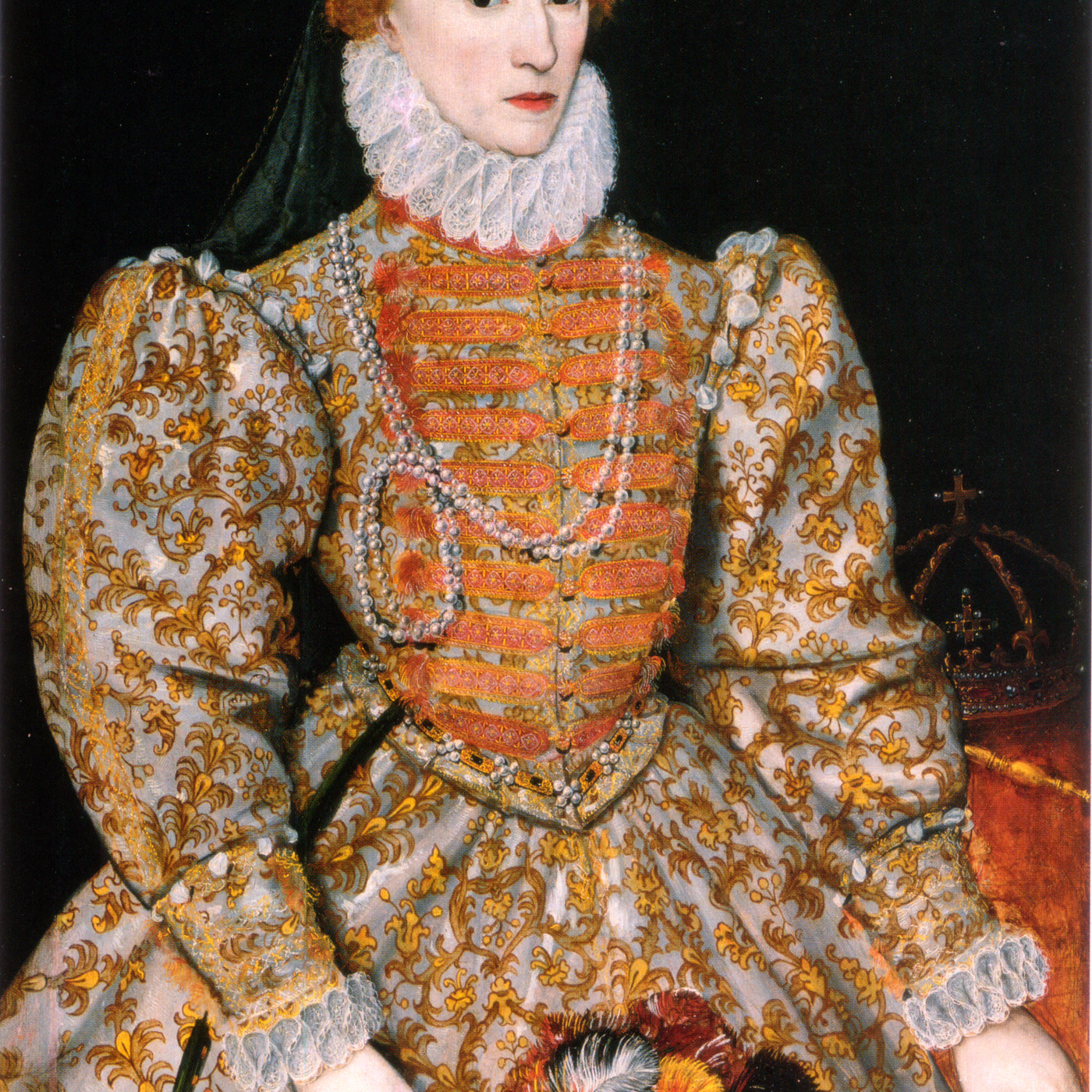
Elizabethan religious settlement
Apr 26, 2026 · 48m
The Elizabethan religious settlement was the set of religious and political arrangements made for England during the reign of Elizabeth I (1558–1603). The settlement, implemented from 1559 to 1563,...
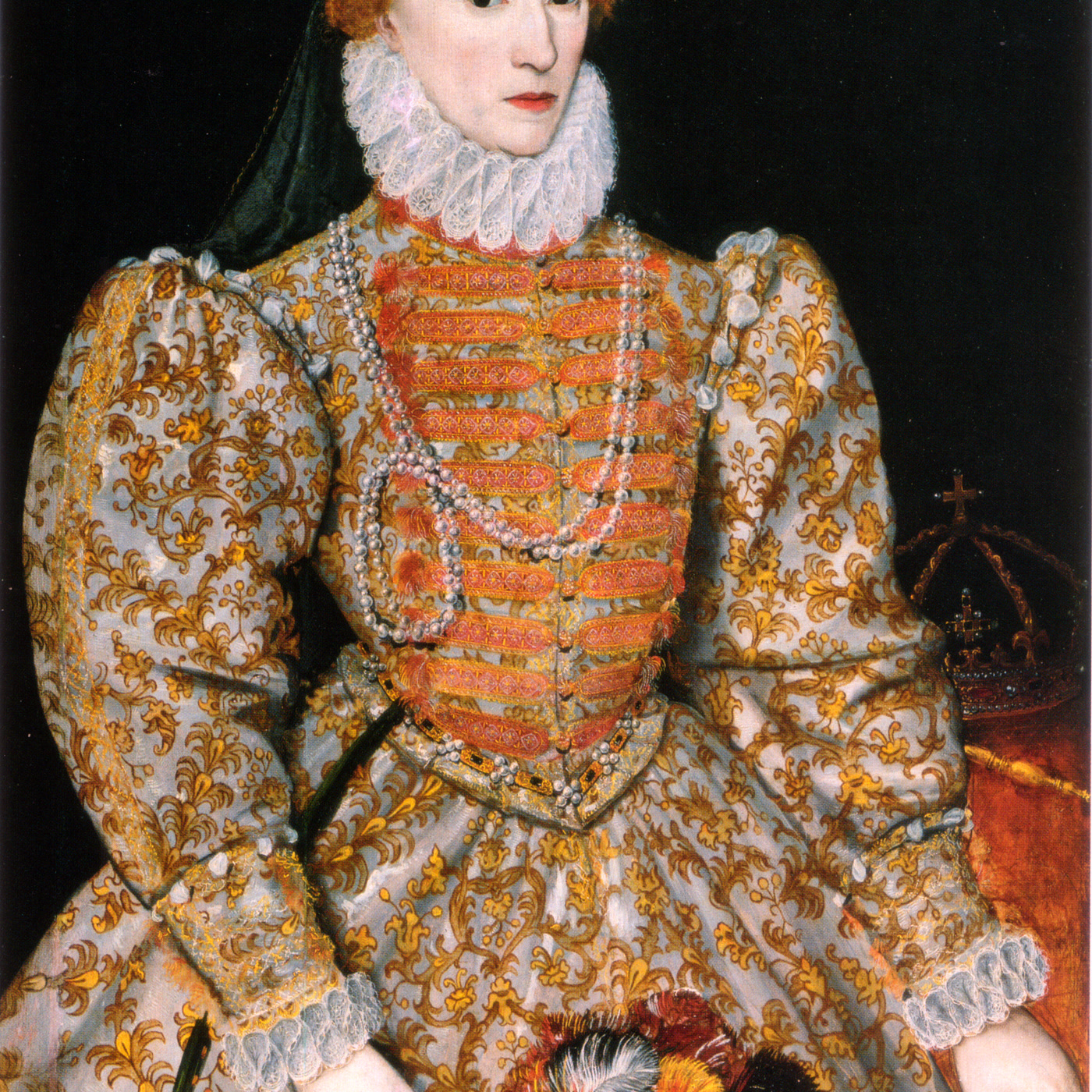
Elizabeth I
Apr 25, 2026 · 1h 17m
Elizabeth I (7 September 1533 – 24 March 1603) was Queen of England and Ireland from 17 November 1558 until her death in 1603. She was the last and longest reigning monarch of the House of Tudor....
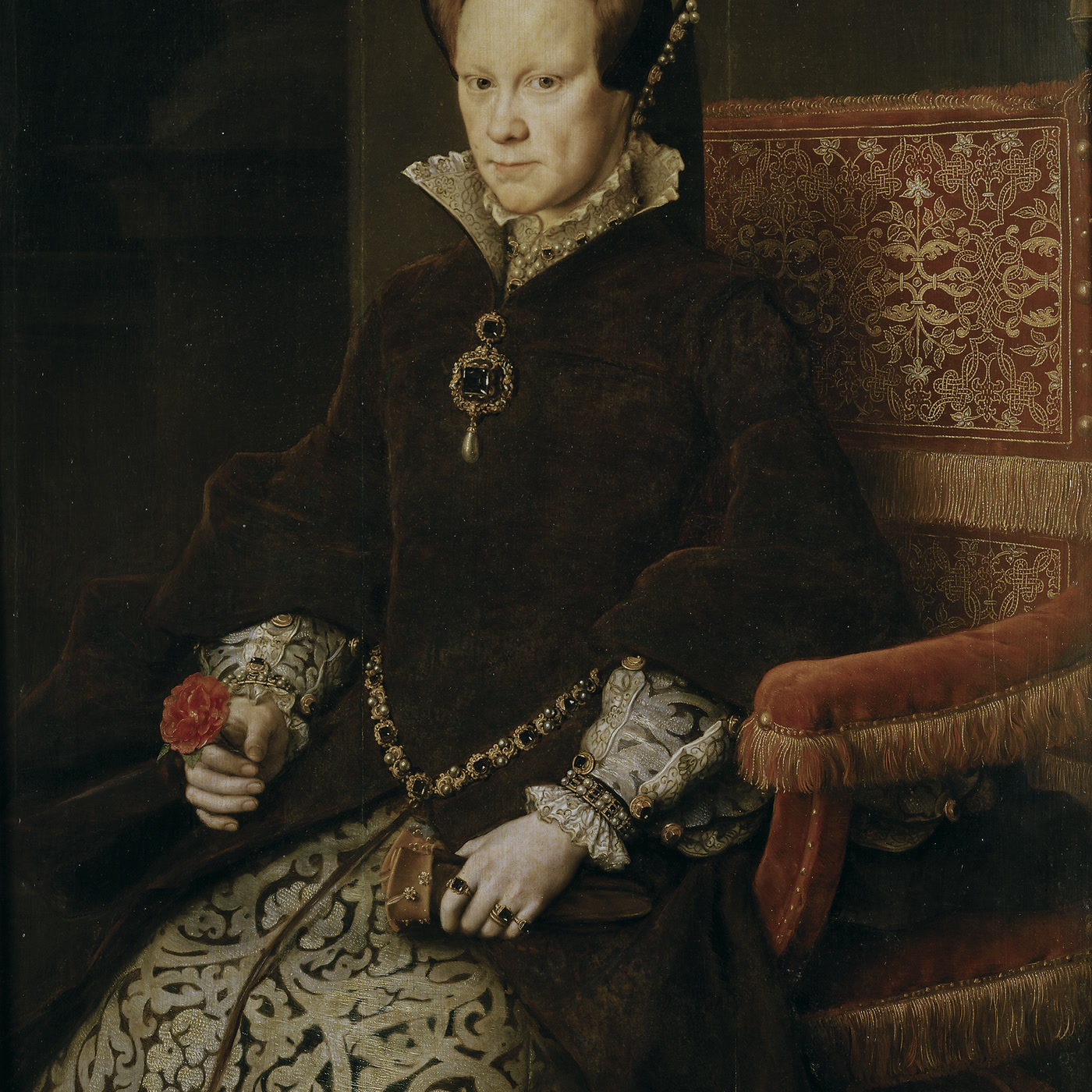
Mary I
Apr 24, 2026 · 50m
Mary I (18 February 1516 – 17 November 1558) was Queen of England and Ireland from July 1553 and Queen of Spain as the wife of King Philip II from January 1556 until her death in 1558. She made...
Take these sermons with you.
Follow A Survey of Anglican History in the Getsermons app to get every new sermon, build playlists, and pick up right where you left off.

