
A Survey of Anglican History
John Wycliffe
Apr 17, 2026 · 49m
Prefer sermons downloaded automatically?
About this sermon
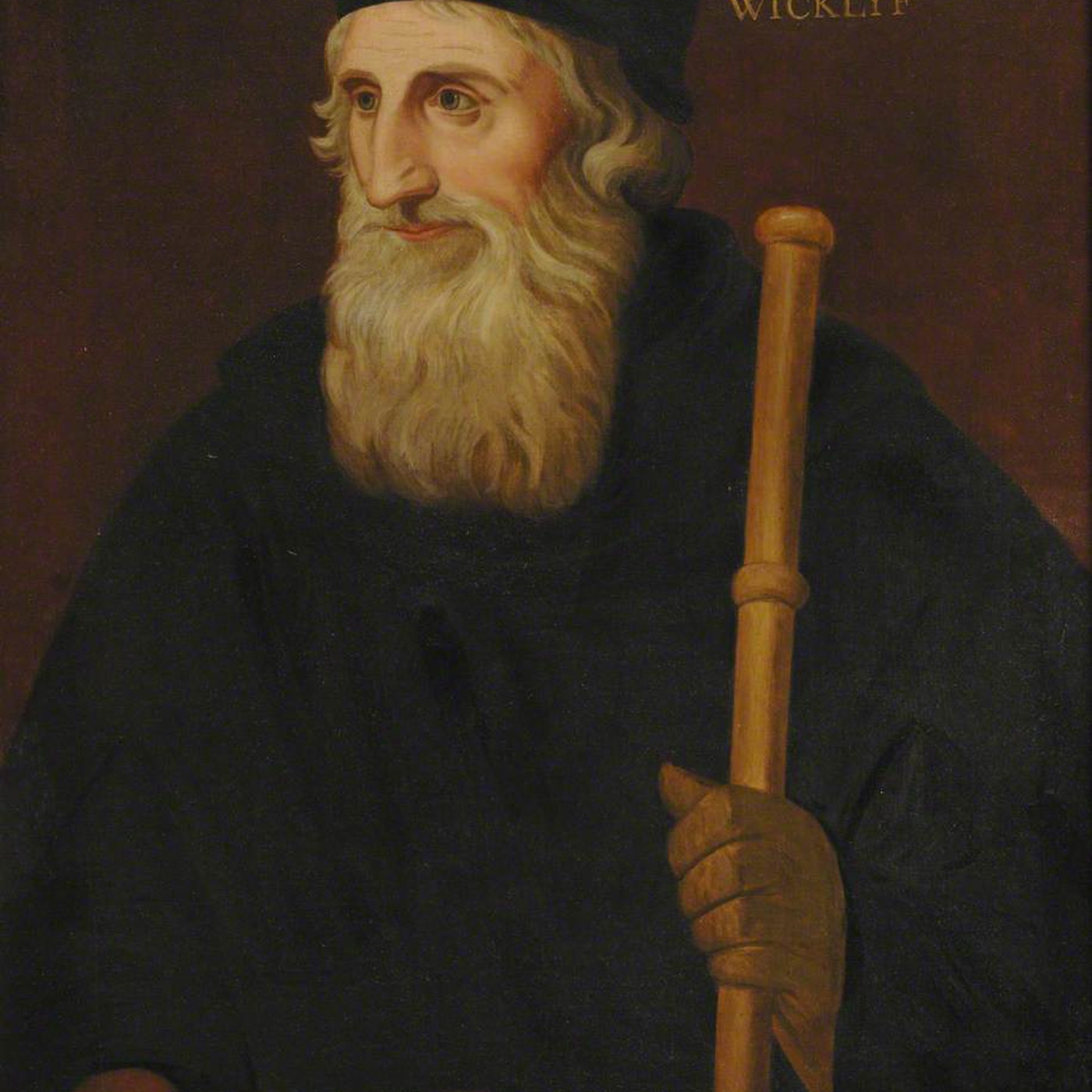
John Wycliffe (; also spelled Wyclif, Wickliffe, Wicklyf etc.; c. 1328 – 31 December 1384) was an English scholastic philosopher, Christian reformer, Catholic priest, and a theology professor at the University of Oxford. Wycliffe is traditionally believed to have advocated for or made a vernacular translation of the Vulgate Bible into Middle English, though more recent scholarship has minimised the extent of his advocacy or involvement for lack of direct contemporary evidence. He became an influential dissident within the Catholic priesthood during the 14th century and his ideas are often considered an important predecessor to Protestantism. His political-theological theory of dominion meant that the church was not allowed to own property or have ecclesiastic courts, and men in mortal sin were not entitled to exercise authority in the church or state, nor to own property. Wycliffe insisted on the radical poverty of all clergy. Wycliffe has been characterised as the "evening star" of scholasticism and as the "morning star" or stella matutina of the English Reformation. Certain of Wycliffe's later followers, derogatorily called Lollards by their orthodox contemporaries in the 15th and 16th centuries, adopted a number of the beliefs attributed to Wycliffe such as theological virtues, predestination, iconoclasm, and the notion of caesaropapism, with some questioning the veneration of saints, the sacraments, requiem masses, transubstantiation, monasticism, and the legitimacy or role of the Papacy. Wycliffe's writings in Latin greatly influenced the philosophy and teaching of the Czech reformer Jan Hus (c. 1369–1415).
Episode artwork: Artist: Thomas Kirkby. License: Public domain. Content adapted from Wikipedia (https://en.wikipedia.org/wiki/John_Wycliffe), used under the Creative Commons Attribution-ShareAlike License.
More from A Survey of Anglican History

English Civil War
Nov 2, 2026 · 1h 24m
The English Civil War or Great Rebellion was a series of civil wars and political machinations between Royalists and Parliamentarians in the Kingdom of England from 1642 to 1651. Part of the wider...

Puritans
Apr 28, 2026 · 1h 14m
The Puritans were English Protestants in the 16th and 17th centuries who sought to rid the Church of England of what they considered to be Roman Catholic practices, maintaining that the Church of...

Thirty-nine Articles
Apr 27, 2026 · 39m
The Thirty-nine Articles of Religion (commonly abbreviated as the Thirty-nine Articles or the XXXIX Articles), finalised in 1571, are the historically defining statements of doctrines and practices of...
Elizabethan religious settlement
Apr 26, 2026 · 48m
The Elizabethan religious settlement was the set of religious and political arrangements made for England during the reign of Elizabeth I (1558–1603). The settlement, implemented from 1559 to 1563,...
Elizabeth I
Apr 25, 2026 · 1h 17m
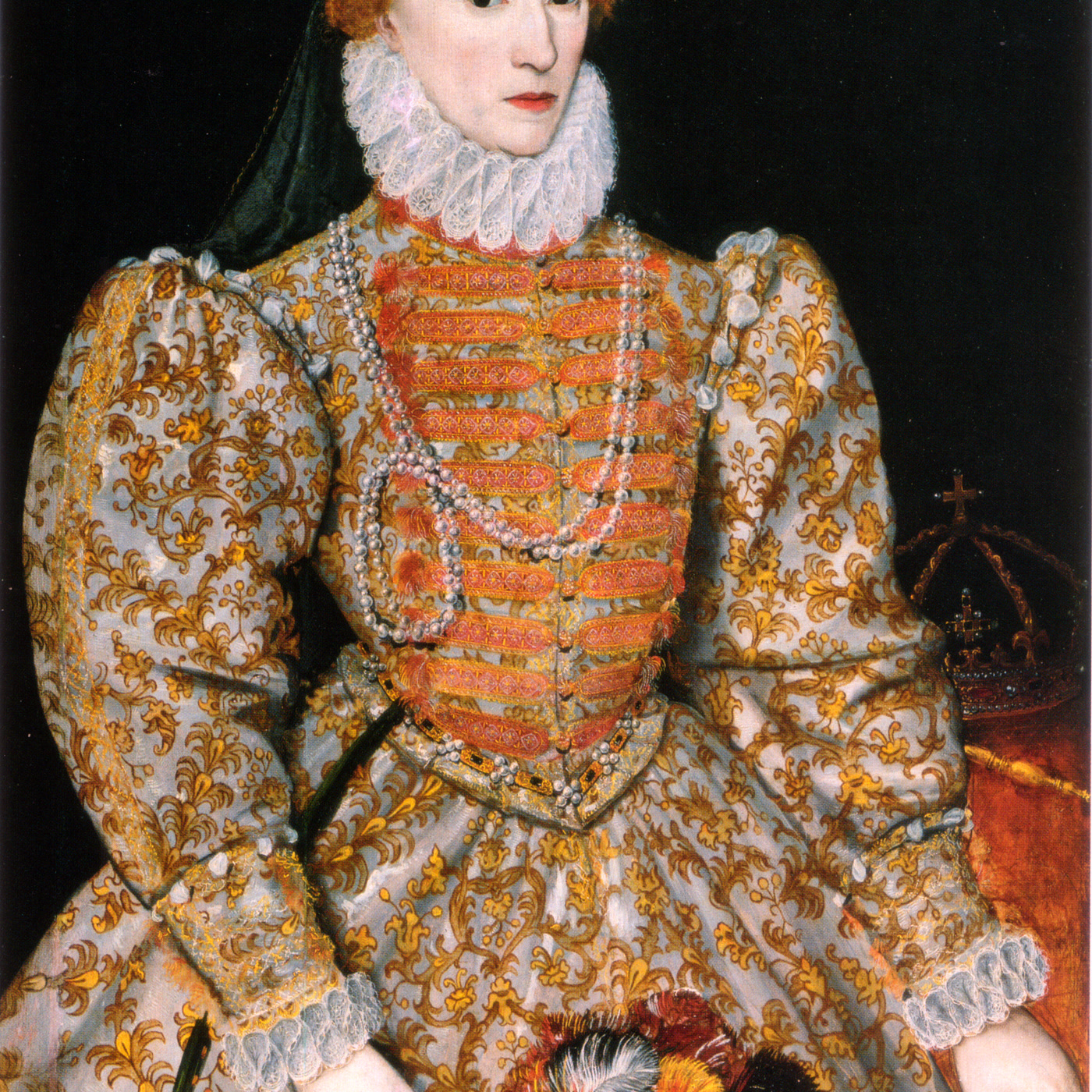
Elizabeth I (7 September 1533 – 24 March 1603) was Queen of England and Ireland from 17 November 1558 until her death in 1603. She was the last and longest reigning monarch of the House of Tudor....
Mary I
Apr 24, 2026 · 50m
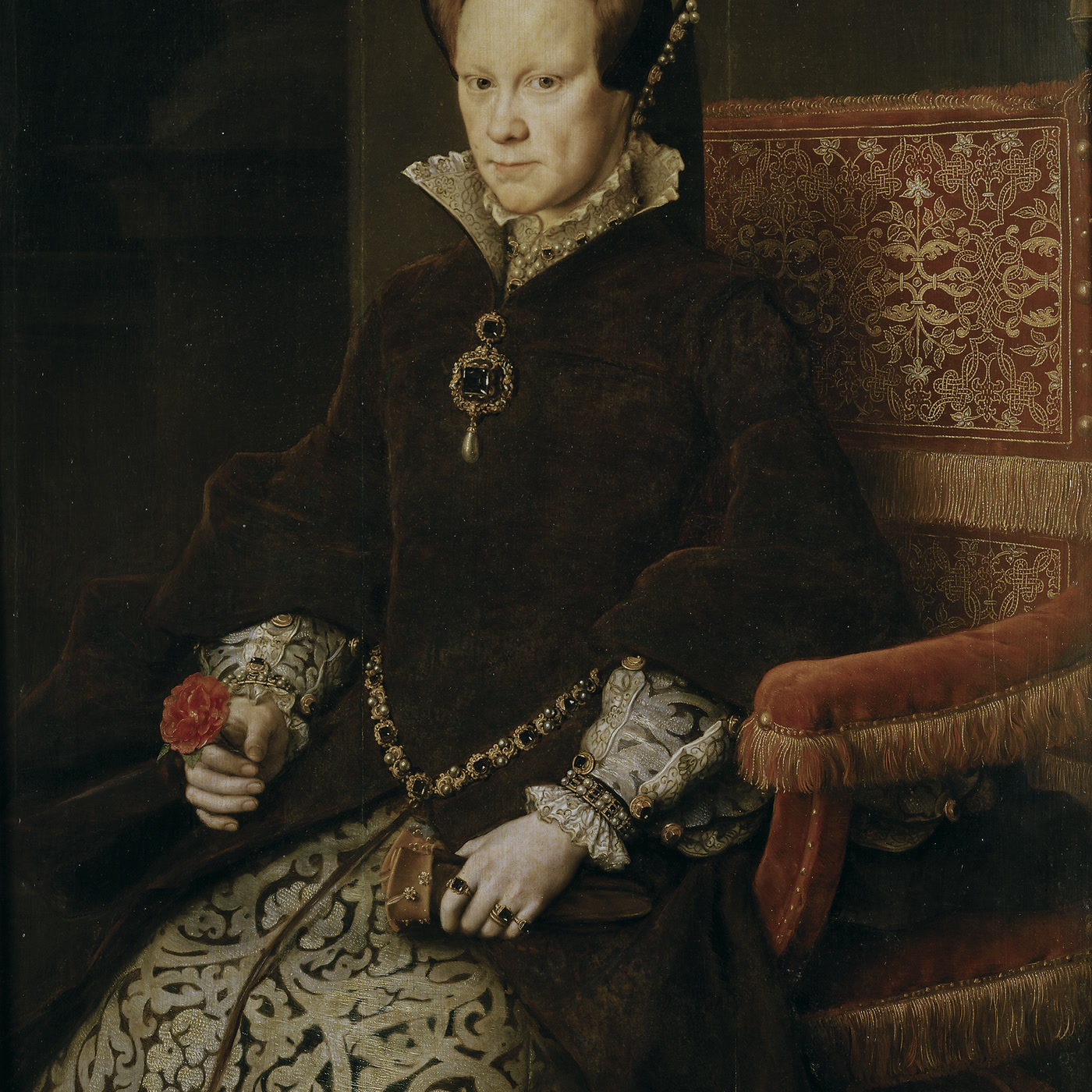
Mary I (18 February 1516 – 17 November 1558) was Queen of England and Ireland from July 1553 and Queen of Spain as the wife of King Philip II from January 1556 until her death in 1558. She made...
Take these sermons with you.
Follow A Survey of Anglican History in the Getsermons app to get every new sermon, build playlists, and pick up right where you left off.

