

Through the Lens of Eternity Podcast
Out of Sight
Sep 30, 2026 · 10m
Prefer sermons downloaded automatically?
About this sermon
Sometime earlier this year, the King tried to check on an old friend. It wasn’t a formal enquiry or a matter of state, just one man wondering how another was getting on. Yet he couldn’t get through to his friend.
That friend was Sir Ranulph Fiennes.
If you’ve grown up in Britain over the last fifty years you’ll know the name: the man who conquered both the north and south poles by surface, who walked across Antarctica, who stood on top of Everest in his sixties. Guinness world records, once called him the world’s greatest living explorer.
His whole life was about being out there, at the far edges of the map, most of his life in public view.
And yet for the best part of two years, almost nobody has seen him. He was last seen in public in October 2024, not long after a Parkinson’s diagnosis.
Since then, it’s reported, he’s been moved between care homes, allegedly under a different name. His stepson hasn’t been able to see him for over a year.
Friends like Bear Grylls say they’ve been trying to reach him with no success.
And this week the Police said they’re satisfied he’s living somewhere appropriate, with suitable care and professional oversight, and that they have no immediate safeguarding concerns.
None of us really know what has gone on here and we don’t want to speculate but it got me thinking about a number of things.
Parkinson’s is a cruel illness, caring for someone through it is I imagine exhausting. Families have to make hard decisions for reasons the rest of us may never see. The police say he’s being looked after, and I genuinely hope that’s exactly right. So this isn’t an episode about blame.
If a man that famous can slip out of sight, with a King asking after him, what about everyone else?
Ranulph’s story made the news because he was once so visible. Most people who disappear in old age don’t make any news at all. There’s no headline and nobody ringing round. Maybe it’s the lady you used to see at the bingo, or the man who always sat in the same seat at church, or the neighbour whose curtains you realise you haven’t seen open in a while. Nobody asked where they went, because nobody quite noticed they’d gone.
It rarely happens dramatically. It happens by degrees. The driving licence goes, and then getting to things becomes harder. The phone rings a little less as friends pass away. Church, social clubs, the pub quiz, slip away because the invitations stop coming or its too much of a mission to get to. Day by day the world shrinks to a front room, a care rota and one or two people who hold the key to the door. Sometimes that key is held with great love, sometimes with sheer exhaustion. Whatever the reason, being cared for is not the same thing as being seen.
The Bible talks a lot about this. The fifth commandment, “honour your father and your mother.” We teach it to children, even weaponise it to control our kids, but it was first spoken to adults. It’s about how grown sons and daughters treat parents who are ageing, who are slowing down, who can’t do what they once did. Leviticus goes even further. It tells God’s people to stand up in the presence of the aged and, in the very same breath, to revere their God. The two are tied together. How we treat the old is bound up with how we treat the Lord himself.
In Psalm 71, the prayer for old age: “Do not cast me away when I am old; do not forsake me when my strength is gone.” That prayer is in the bible because the fear was the same then as it is today. People have always worried about being put to one side once they’re no longer useful, and God gave them words to bring that fear to him.
In Mark 7 Jesus confronts a religious loophole of his day called Corban, where people could declare their money set aside for God and so be released from supporting their elderly parents. It looked so good, but Jesus said it cancelled out the word of God. It’s possible to be very busy with religious things and still let the old people in our own lives fall quietly out of view.
Let’s not forget the moment on the cross. In the middle of his own agony, one of the last things Jesus does is look down at his mother and make sure she’ll be looked after. He turns to John and says, in effect, she’s yours now, look after her. Even while dying, he’s arranging care for an older woman who’s about to be left alone, and he entrusts her not just to blood family but to the community of his followers.
How the early church got it wrong, and right
As a church we studying Acts and in chapter 6 the early church is extraordinary. It’s full of the Spirit of God, people are selling possessions and sharing everything, nobody is in need. And yet, right in the middle of all that generosity, a group of widows are being overlooked in the daily distribution of food.
Nobody meant it. It’s just that these women didn’t quite have the right language or the right connections, and in a busy, growing church they slipped through the cracks.
I love is how the apostles responded. They didn’t just tell everyone to try harder. They set something up. They appointed people whose job it was to notice. And I think that’s a lesson for us: people usually become invisible not because someone plans it but because everyone is busy, and the only answer is deliberate attention.
James says pure religion looks like this: to visit widows and orphans in their distress. The word he uses for visit means to look in on someone, to go and see how they are. And it’s the same word Zechariah uses in Luke 1 when he praises God because he has visited his people. When we go and look in on someone who’s been forgotten, we’re doing a small version of what God did for us in Jesus. He came and looked in on us.
Luke chooses to put two old people at the start of the Jesus story. When Mary and Joseph bring the baby into the temple, the first two people to recognise him are Simeon and Anna, both very old. Anna is in her eighties. Luke gives them names, ages, words, and a place in the story. In God’s economy, old age isn’t the waiting room. It can be the place of the deepest insight.
So what about us?
Who would I notice was missing? If someone in my street, my church, my family, just stopped appearing, how long would it be before I asked where they were? Would I ask at all?
Psalm 68 says God sets the lonely in families. One of the ways he does that is through his people. I think the church is meant to be an interconnected web of relationships wide enough that no single closed door, no single gatekeeper, no single care home move, can make someone disappear. That web doesn’t build itself. It’s made of intentional phone calls, of popping round, of remembering names, of asking the second question.
If you’re the one doing the caring right now, holding it all together for a parent or a spouse, you’re not invisible either. Caring can become its own kind of disappearing. Let people in. Let the church carry some of it with you.
So this week I’m grateful. I’m grateful for the older people who shaped me, who prayed for me before I knew they were doing it. I’m grateful for carers, paid and unpaid, who do faithful work that nobody writes articles about. And I’m grateful that we have a God who sees, who visits, and who carries us all the way to the end.
I hope Ranulph is well. I hope that sooner rather than later the door opens and his old friends get to sit with him, to tell the old stories and laugh together. But I also hope that the rest of us don’t just read the story but we look down our own street aswell.
Because through the lens of eternity, nobody is ever out of sight. The promise at the very end of the Bible is that God’s people will see his face. Nobody lost, nobody overlooked, nobody forgotten. Until that day, we get to practise it. We get to be the people who notice, who knock, and who go looking.
Lord, you are the God who sees. Nobody is ever out of your sight. We pray for Ranulph and for everyone who has quietly disappeared from view in their later years. Carry them, as you promised, even to old age and grey hairs. …
This is a public episode. If you would like to discuss this with other subscribers or get access to bonus episodes, visit benorris1977.substack.com
More from Through the Lens of Eternity Podcast

Grace Is Not an Alibi
Nov 11, 2026 · 10m
Content note: this episode discusses rape and sexual assault. If you have been affected, support details are in the show notes. In England and Wales, the 24/7 Rape & Sexual Abuse Support Line is...

Where’s the Umbrella?
Nov 4, 2026 · 8m
There’s a particular kind of helplessness that comes with being rained on in a good suit, and on Sunday it happened to the King. Charles and Camilla were at the Sir Vivian Richards Stadium in Antigua,...
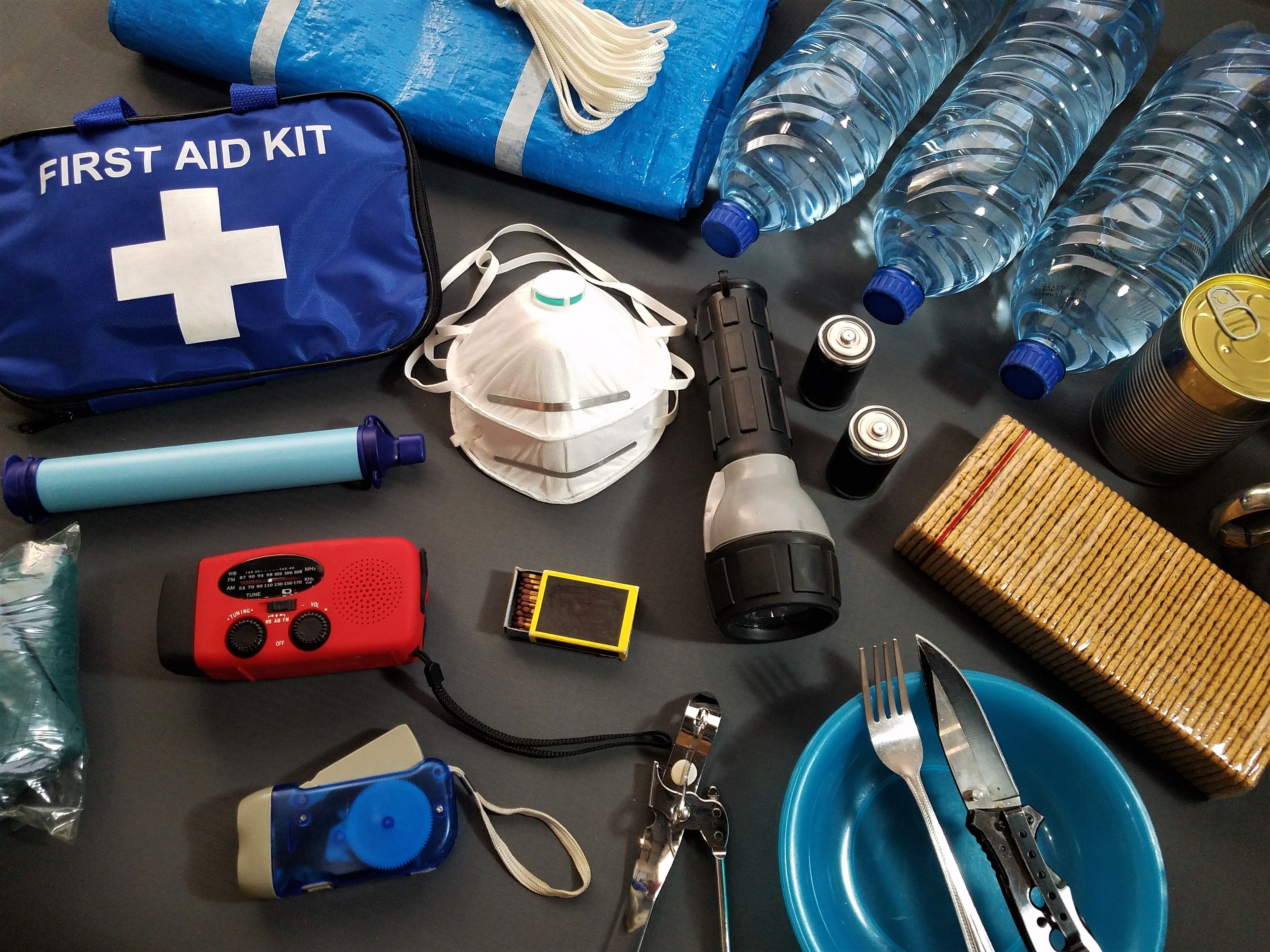
Three Days of Water
Oct 28, 2026 · 13m
Last Thursday the Defence Secretary Wes Streeting went on Question Time and asked the whole country to put an emergency kit together. Three days of bottled water, tinned food, a wind up torch, a...

They Didn’t Know Why They Came
Oct 21, 2026 · 11m
A teenager in a Paris suburb stands in front of a camera and describes his school. The roof lets the rain in, there’s no heating and the desks are broken. He’s just telling the world what it’s like to...

The Price of Stew
Oct 14, 2026 · 12m
If you’ve stood at a petrol station forecourt recently with a diesel nozzle in your hand, you’ll know the feeling. You squeeze the trigger, you watch the numbers on the display turn over, and...

Who Keeps the Watch?
Oct 7, 2026 · 8m
Most of us have seen the footage. A night sky over Israel, streaks of light rising from the ground to meet other streaks of light coming in, and then those small bursts high overhead as one missile...
Take these sermons with you.
Follow Through the Lens of Eternity Podcast in the Getsermons app to get every new sermon, build playlists, and pick up right where you left off.

