

Through the Lens of Eternity Podcast
The Price of Stew
Oct 14, 2026 · 12m
Prefer sermons downloaded automatically?
About this sermon
If you’ve stood at a petrol station forecourt recently with a diesel nozzle in your hand, you’ll know the feeling. You squeeze the trigger, you watch the numbers on the display turn over, and somewhere around the point where the pounds are running faster than the litres you start doing quiet sums in your head. At the end of September, UK diesel passed its 2022 record and hit an average of just over £1.99 a litre. Across this year it has risen by something like forty per cent.
And it isn’t only the people with diesel cars who feel it. More than nine out of ten things that move around this country move by lorry, and almost all of those lorries still run on diesel. So the price at the pump finds its way into the bread on the supermarket shelf, the parcel on the doorstep, the cost of the builder, the margin of the farmer. It is one of those numbers that quietly sits underneath everything else.
Which is why a phone call last Friday matters to us, even though it happened a long way from Harlow.
The deal
After a ninety-minute conversation with Vladimir Putin, President Trump announced that the United States would lift its sanctions on Russian diesel. In return, Russia would supply 300,000 tonnes straight away, another 500,000 in November and a million after that, with the possibility of up to 4.8 million tonnes in total, depending on the state of Russia’s refineries, which Ukraine has been hitting with drones.
The President promised prices would fall “in record numbers, and fast.” The following day he told reporters it was time for Ukraine to get a new president, and blamed Kyiv’s strikes on those refineries for the prices we’re all paying.
President Zelenskyy’s response was that the deal looked like a “happy birthday present for Putin.”
It’s rare these days to find anything that commentators on the left and the right agree on, but this came close. Conservative American outlets called the deal useless and desperate. Liberal ones called it a lifeline for the Kremlin.
European governments, who have spent four years tightening sanctions on Russia, were reported to be stunned. And the analysts pointed out something unbelievable: the first delivery is less than the United States burns through in a single day. One noted that it probably won’t even arrive until the end of the month.
To be fair the pressure behind this deal is real. Families are struggling. Hauliers are struggling. Farmers are struggling. In Texas, the governor has declared a state of disaster over fuel prices.
Any leader who shrugged at all of that would be failing the people they serve, and the deal’s defenders would say that easing a global shortage helps everyone, Britain included.
Wanting relief isn’t the issue. It’s more a question of what are you willing to hand over to get it, and who ends up paying?
A bowl of stew
There’s a story in the opening book of the Bible. In Genesis chapter 25. Two brothers, Jacob and Esau.
Esau is the elder brother, which means he holds the birthright: the double share of the inheritance, the leadership of the family, the line through which God’s promises to Abraham was meant to run. It’s not just property. It’s identity and future rolled into one.
One day Esau comes in from the open country, exhausted and starving, and his brother is cooking a pot of red lentil stew. “Quick,” he says, “let me have some of that.” And Jacob, who is nothing if not an opportunist, says: sell me your birthright first.
Esau’s reply is one of the most human responses in the bible.
“Look, I am about to die. What good is the birthright to me?” (Genesis 25:32)
So he sells it to Jacob. And then the writer gives us a string of short, staccato verbs that wouldn’t be out of place in Mozarts Symphony No. 29: he ate, he drank, he got up, he left.
In summary: “So Esau despised his birthright.”
The writer to the Hebrews picks it up centuries later and puts it even more starkly. Esau sold his inheritance rights for a single meal.
What makes this story so uncomfortable is how recognisable it is.
Notice three things.
First, the hunger was real. Esau wasn’t being greedy. He’d been out all day and he was empty. The Bible doesn’t mock his need. It’s what he does with it that matters.
Second, pressure shrinks the horizon. “I’m about to die” is almost certainly an exaggeration, but it’s the kind of exaggeration hunger produces. The birthright felt abstract; the stew was right there.
And third, the cost comes much later, and sometimes on someone else. Esau got his meal that afternoon. The loss played out over generations.
Hold that up against this week’s news and the shape is familiar. A genuine and painful need. A pressure that narrows everything down to the next few weeks, with elections just round the corner in America. And a bill which, if the critics are right, won’t be paid at the pump at all, but by the people of Ukraine, in a war that cheap Russian fuel sales help to finance.
Before we point fingers
It would be very easy at this point to look across the Atlantic and tut. But I that’s not a helpful response, and I don’t think it’s a Christian one either.
For years, Europe made its own trade. Cheap Russian gas flowed in through pipelines while warnings went unheeded, even after Crimea in 2014. It kept bills down and factories running, and it left the whole continent exposed when the full invasion came in 2022. That was a bowl of stew too, and plenty of governments, including friends of ours, lined up for a second helping.
If we are honest with ourselves, the pattern doesn’t stop with governments. Most of us have our own versions.
The shortcut at work that buys us a quiet week and costs someone else their credibility.
The convenient silence that keeps the peace in a friendship but lets something wrong go unchallenged.
The bargain we don’t look at too closely because we’d rather not know who made it, or for what.
The small daily trades where we swap something precious and slow for something immediate and loud, because right now, today, we feel like we’re about to die.
Esau isn’t a cautionary tale about other people. He’s a mirror.
The one who wouldn’t trade
I’m glad the Bible doesn’t leave us with Esau. Matthew’s Gospel, chapter 4, you find another firstborn son, alone in the wilderness, at the end of forty days without food. Matthew says, with wonderful understatement, that he was hungry.
And the offer comes. If you are the Son of God, tell these stones to become bread. It’s the same situation as Esau’s in almost every detail: real hunger, an instant solution, and a hidden cost, because the price of that bread would be stepping out of trust in his Father. And Jesus refuses.
“Man shall not live on bread alone, but on every word that comes from the mouth of God.” (Matthew 4:4)
He doesn’t despise his birthright. He holds onto it.
Where Esau, and so many of us, try to get our relief and let the cost fall somewhere else, Jesus goes to the cross and takes the whole cost onto himself.
Paul puts it like this: though he was rich, yet for your sake he became poor, so that you through his poverty might become rich.
That’s the exact reverse of the deal. Not my relief at your expense, but your inheritance at mine.
So what does that mean for us, sitting with fuel bills that genuinely hurt and a world that keeps offering us stew?
It means remembering what we actually have. Peter talks about an inheritance that can never perish, spoil or fade, kept in heaven for you. Paul says that if we are children of God, then we are heirs. That’s the birthright of everyone who belongs to Christ, and it’s the kind of thing that only becomes precious when you remember it’s there.
Esau’s problem wasn’t really his hunger. It was that he’d stopped valuing what he had. And the antidote to that isn’t gritting our teeth. It’s seeing clearly.
It doesn’t mean pretending we’re not hungry. Jesus taught us to pray, give us today our daily bread, and that includes the diesel for the delivery van and the heating bill and the weekly shop. We’re allowed to bring our real needs to God, hone…
This is a public episode. If you would like to discuss this with other subscribers or get access to bonus episodes, visit benorris1977.substack.com
More from Through the Lens of Eternity Podcast

Grace Is Not an Alibi
Nov 11, 2026 · 10m
Content note: this episode discusses rape and sexual assault. If you have been affected, support details are in the show notes. In England and Wales, the 24/7 Rape & Sexual Abuse Support Line is...

Where’s the Umbrella?
Nov 4, 2026 · 8m
There’s a particular kind of helplessness that comes with being rained on in a good suit, and on Sunday it happened to the King. Charles and Camilla were at the Sir Vivian Richards Stadium in Antigua,...
Three Days of Water
Oct 28, 2026 · 13m
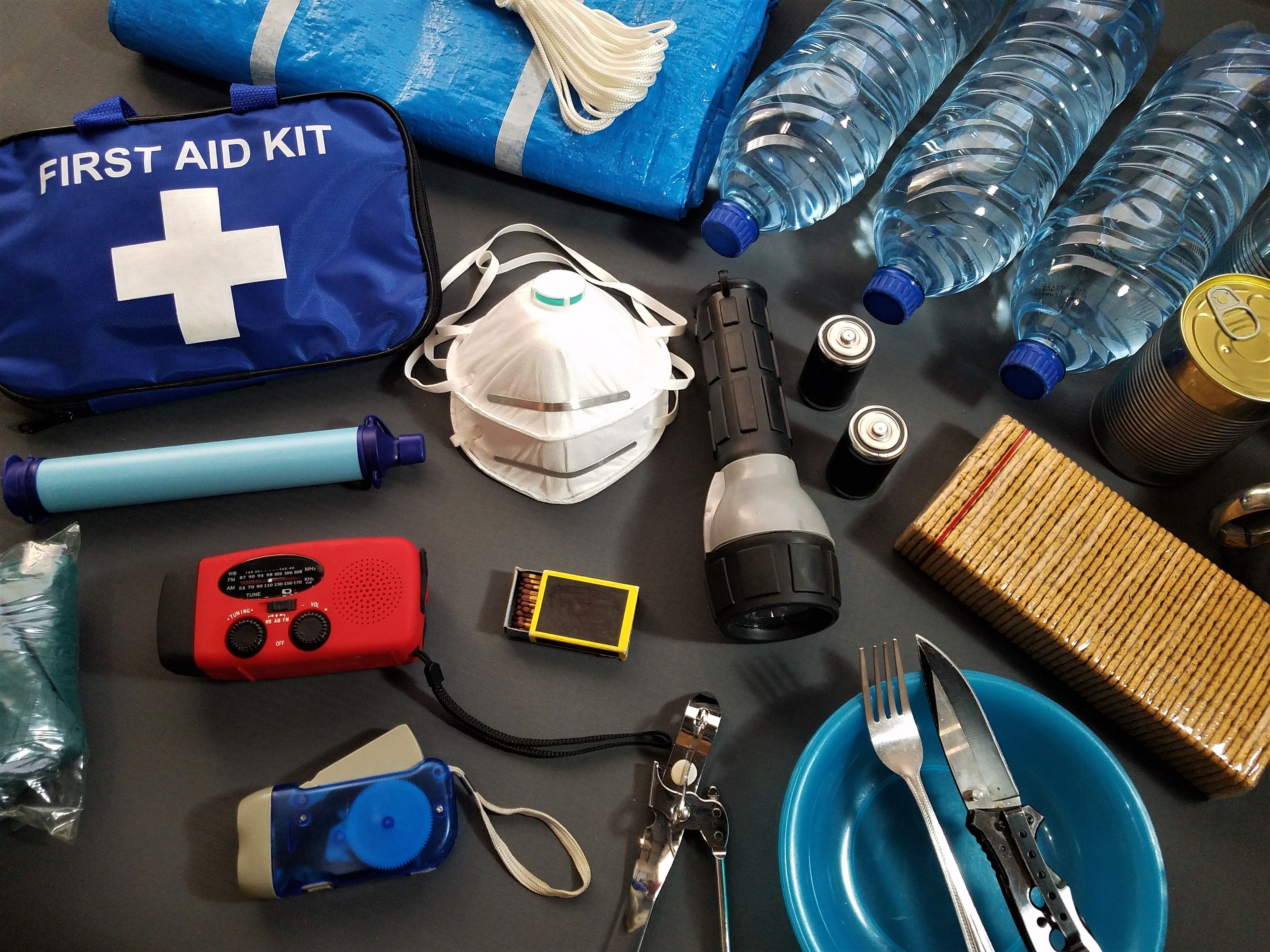
Last Thursday the Defence Secretary Wes Streeting went on Question Time and asked the whole country to put an emergency kit together. Three days of bottled water, tinned food, a wind up torch, a...

They Didn’t Know Why They Came
Oct 21, 2026 · 11m
A teenager in a Paris suburb stands in front of a camera and describes his school. The roof lets the rain in, there’s no heating and the desks are broken. He’s just telling the world what it’s like to...

Who Keeps the Watch?
Oct 7, 2026 · 8m
Most of us have seen the footage. A night sky over Israel, streaks of light rising from the ground to meet other streaks of light coming in, and then those small bursts high overhead as one missile...

Out of Sight
Sep 30, 2026 · 10m
Sometime earlier this year, the King tried to check on an old friend. It wasn’t a formal enquiry or a matter of state, just one man wondering how another was getting on. Yet he couldn’t get through to...
Take these sermons with you.
Follow Through the Lens of Eternity Podcast in the Getsermons app to get every new sermon, build playlists, and pick up right where you left off.

