
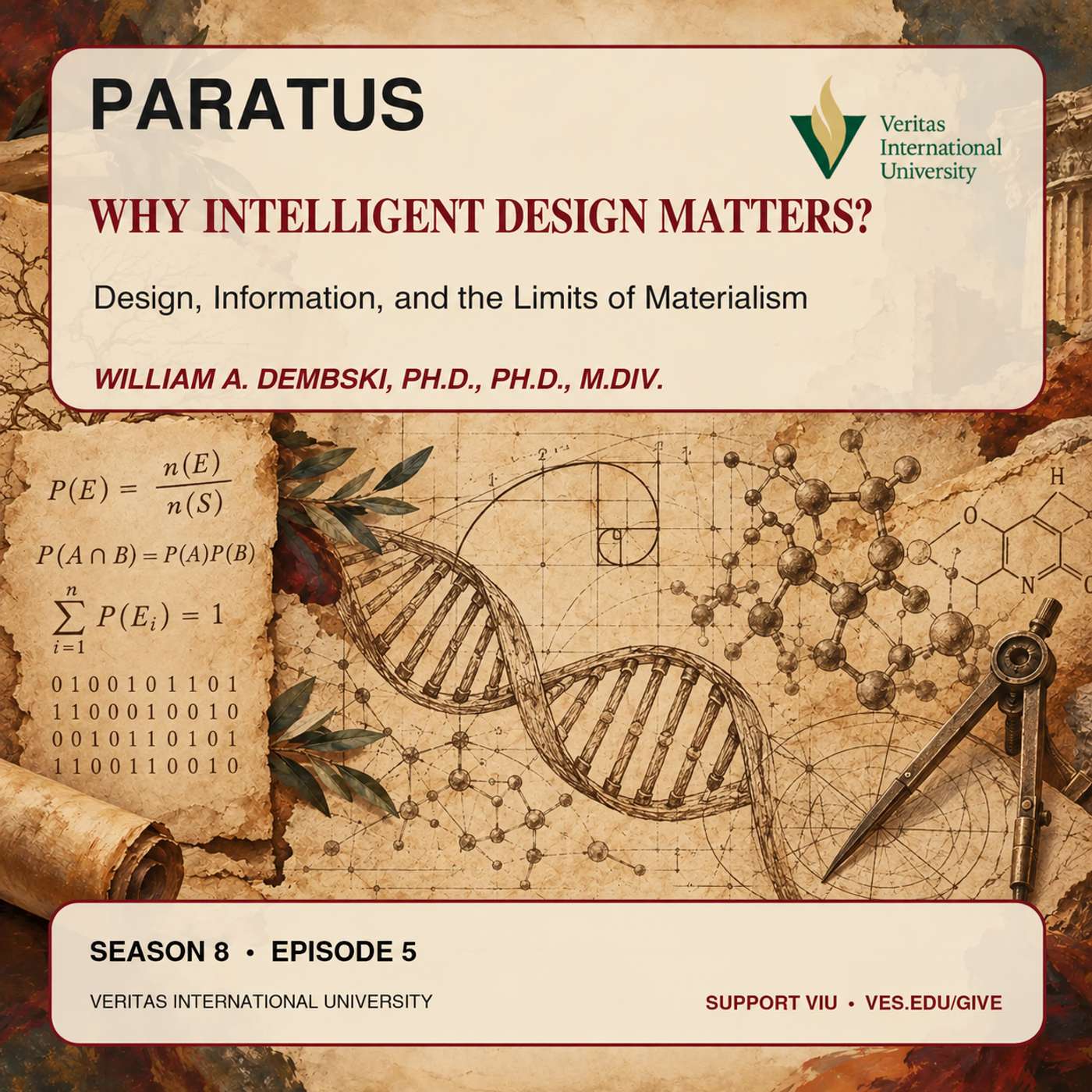
Paratus
Why Intelligent Design Matters | William A. Dembski
Oct 10, 2026 · 1h 5m
Prefer sermons downloaded automatically?
About this sermon
Can patterns in nature provide reliable scientific evidence of intelligence—and why does that question matter for Christian faith and contemporary culture?
Dr. William A. Dembski joins host Luke Betzner to explain the foundations of intelligent design, the logic of design detection, and the profound consequences of treating intelligence as fundamental rather than merely an accidental product of matter. Drawing upon mathematics, probability, information theory, philosophy, biology, and theology, Dembski shows why highly improbable, independently recognizable patterns can warrant an inference to intelligent causation.
The conversation examines specified complexity, DNA as a genuine coding system, the unresolved origin-of-life problem, directed panspermia, the limits of chemical and biological evolution, and the philosophical commitments underlying materialism. Dembski also explains why recognizing God as Creator is foundational to understanding God as Redeemer—and why Christians should recover the doctrine of creation as a serious intellectual and theological concern.
In this episode:
How Dembski’s training in mathematics, philosophy, and theology shaped his work
Why intelligent design is a scientific inference rather than a religious placeholder
How probability and independently recognizable patterns reveal intelligent causation
The archer-and-target illustration and the logic of specified complexity
DNA, protein production, and the biological information problem
Why origin-of-life research has not explained the first functioning cell
Possibility versus probability in materialistic explanations
Whether intelligence can arise from an entirely unguided process
The “Who designed the designer?” objection and explanatory termini
Why directed panspermia relocates rather than resolves the design problem
Intelligent design as a research program involving inference, engineering, and reverse engineering
Darwinism, materialism, and the Christian doctrine of creation
Chapters:
00:01 — Welcome to Paratus
00:42 — Why does intelligent design matter?
01:22 — William Dembski’s interdisciplinary journey
04:29 — Can God’s handiwork be investigated scientifically?
08:31 — What kinds of patterns indicate intelligence?
12:22 — The archer, the target, and specified complexity
17:10 — DNA, proteins, and the genetic code
20:47 — Evolution and the unresolved origin of life
24:42 — Possibility is not probability
26:16 — Can intelligence emerge from matter alone?
28:21 — “Who designed the designer?”
34:40 — Why panspermia does not solve the problem
38:41 — Chemical evolution and prebiotic experiments
42:46 — The first cell and irreducible biological systems
46:09 — Intelligent design as a scientific research program
49:22 — Science, materialism, and competing explanations
54:56 — Why intelligent design ultimately matters
58:41 — Mutation rates, fixation rates, and evolutionary time
01:02:02 — Recommended resources
01:04:06 — Support VIU and preview the next episode
Guest:
William A. Dembski, Ph.D. (Mathematics), Ph.D. (Philosophy), M.Div., is a mathematician, philosopher, theologian, author, and a Founding and Senior Fellow of Discovery Institute’s Center for Science and Culture. He is also a Distinguished Fellow of the Walter Bradley Center for Natural and Artificial Intelligence and the author or editor of more than 25 books.
Guest and resources:
William A. Dembski — Discovery Institute profile
Bill’s Substack
The Design Inference, Second Edition
The Comprehensive Guide to Science and Faith
Support the mission:
Paratus is the broadcast ministry of Veritas International University. Help VIU equip Christians to think deeply, stand firmly, and live purposefully by visiting ves.edu/give.
Learn more about Veritas International University at ves.edu.
More from Paratus
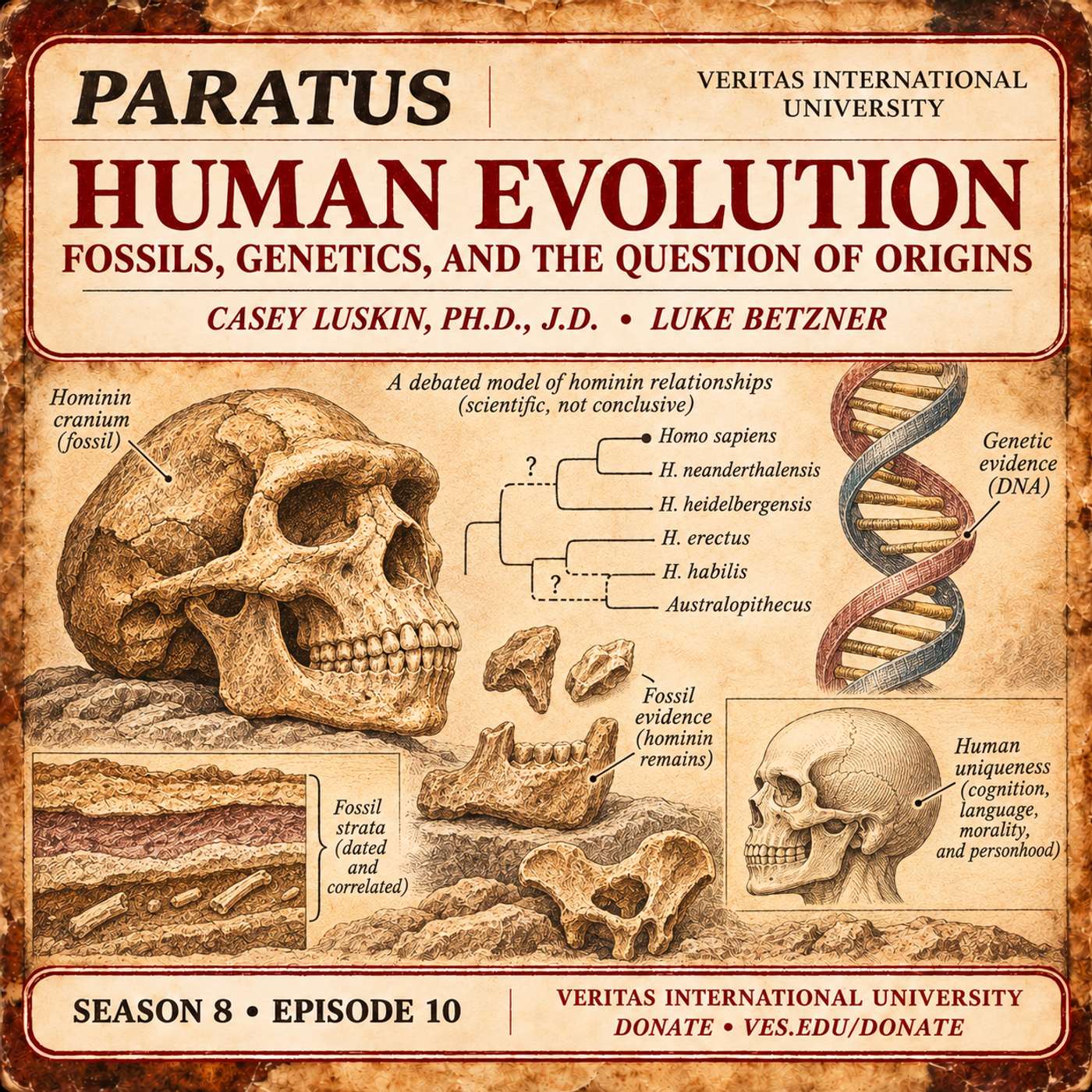
Human Evolution: Fossils, Genetics, and the Question of Origins | Casey Luskin, Ph.D., J.D.
Dr. Casey Luskin, Luke Betzner · Nov 14, 2026 · 1h 2m
What does the fossil record actually show about human origins—and how much confidence should we place in claims of a clear evolutionary lineage from ape-like ancestors to modern humans?In this...
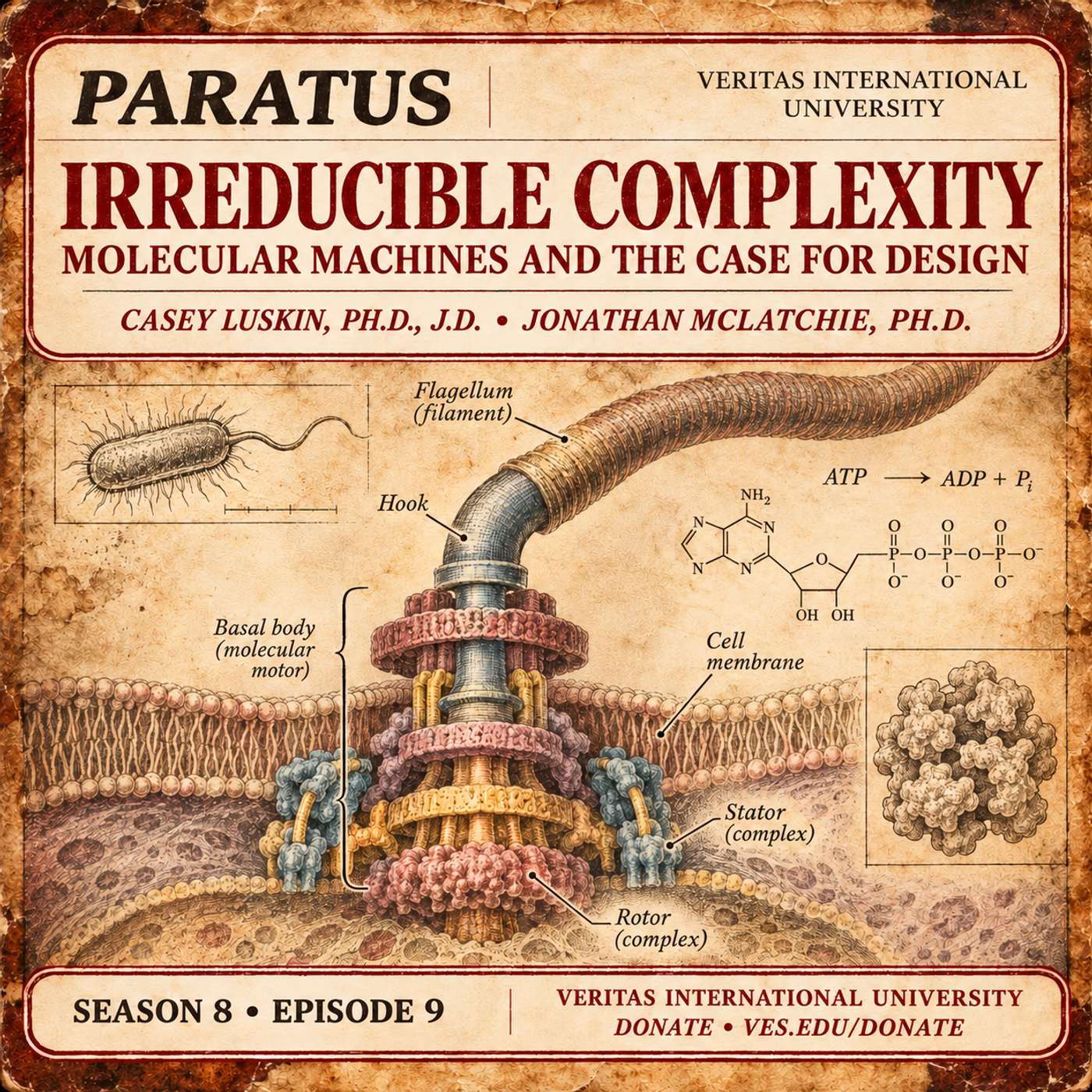
Irreducible Complexity: Can Darwinian Evolution Build Molecular Machines? | Casey Luskin & Jonathan McLatchie
Dr. Casey Luskin, Dr. Jonathan McLatchie · Nov 7, 2026 · 1h 8m
Can Darwinian evolution build the irreducibly complex molecular machines found inside living cells—or do these systems point beyond unguided processes to intelligent design?Host Luke Betzner...
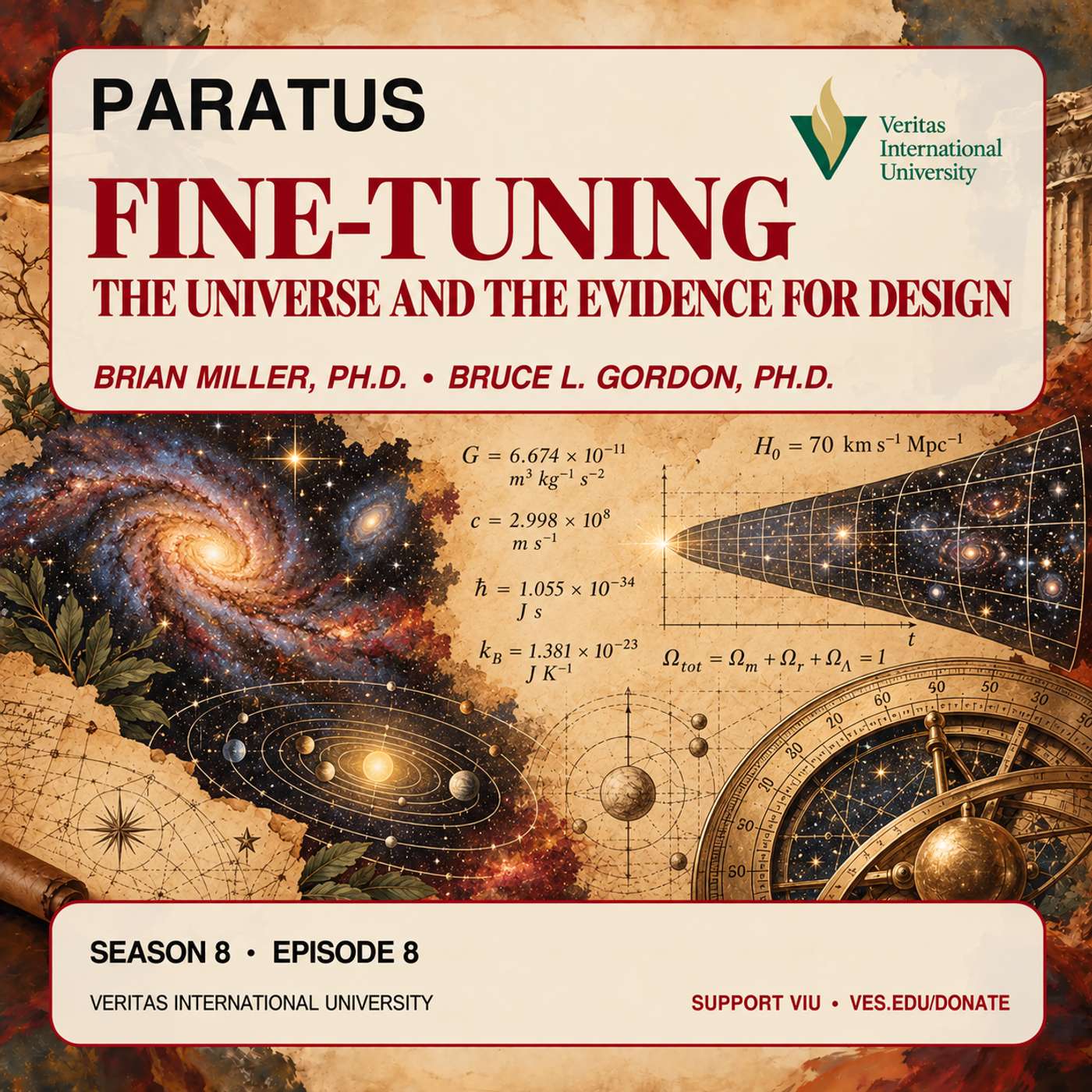
Fine-Tuning: Does the Universe Point to a Designer? | Brian Miller, Ph.D. & Bruce L. Gordon, Ph.D.
Oct 31, 2026 · 1h 5m
Does the fine-tuning of the universe provide evidence of purpose and intelligent design? Luke Betzner welcomes physicist Brian Miller, Ph.D., and philosopher of physics Bruce L. Gordon, Ph.D., for a...
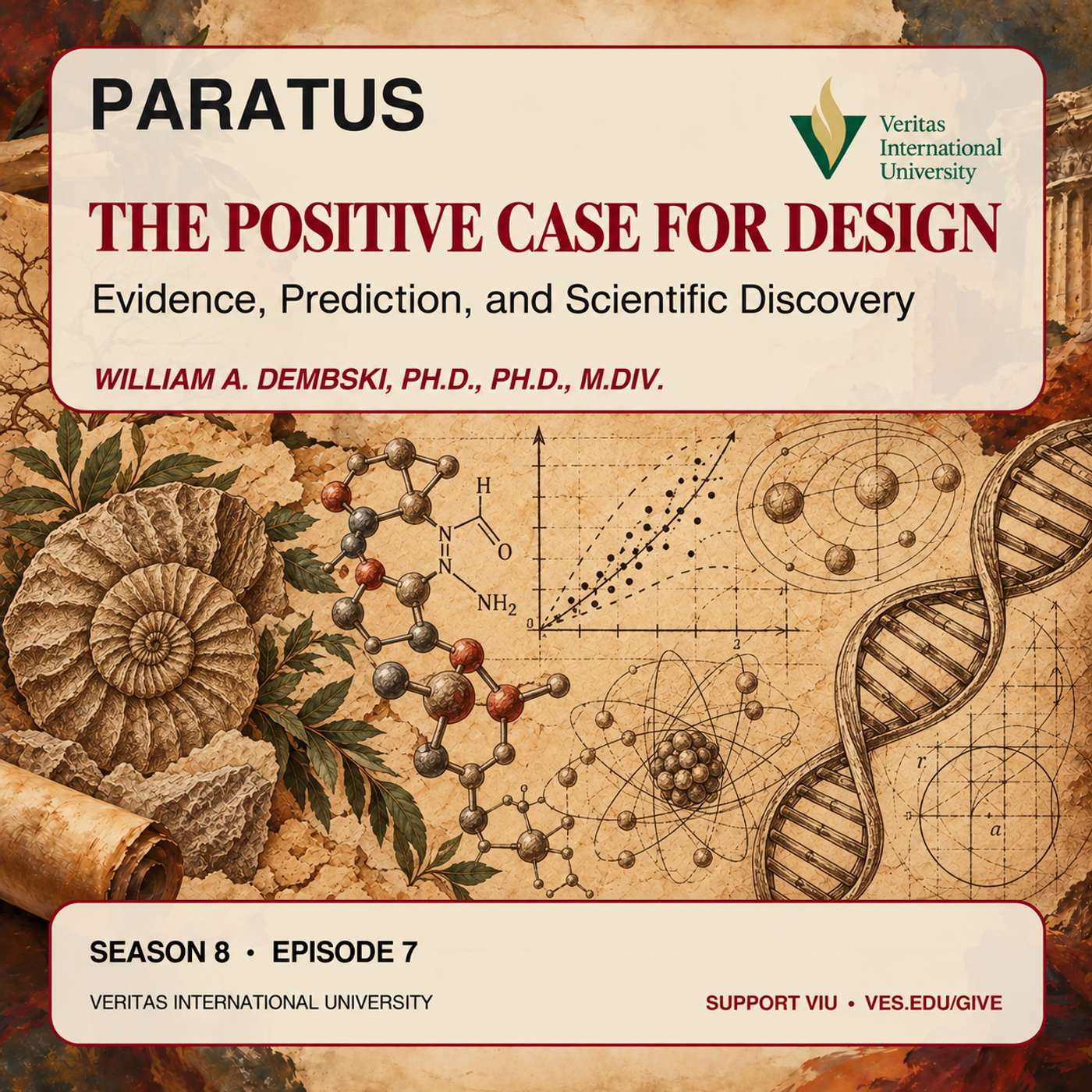
The Positive Case for Intelligent Design | William A. Dembski, Ph.D.
Oct 24, 2026 · 1h 5m
Can intelligent design make a positive, testable scientific case—or is it merely a criticism of Darwinian evolution? Luke Betzner welcomes mathematician, philosopher, and intelligent-design theorist...
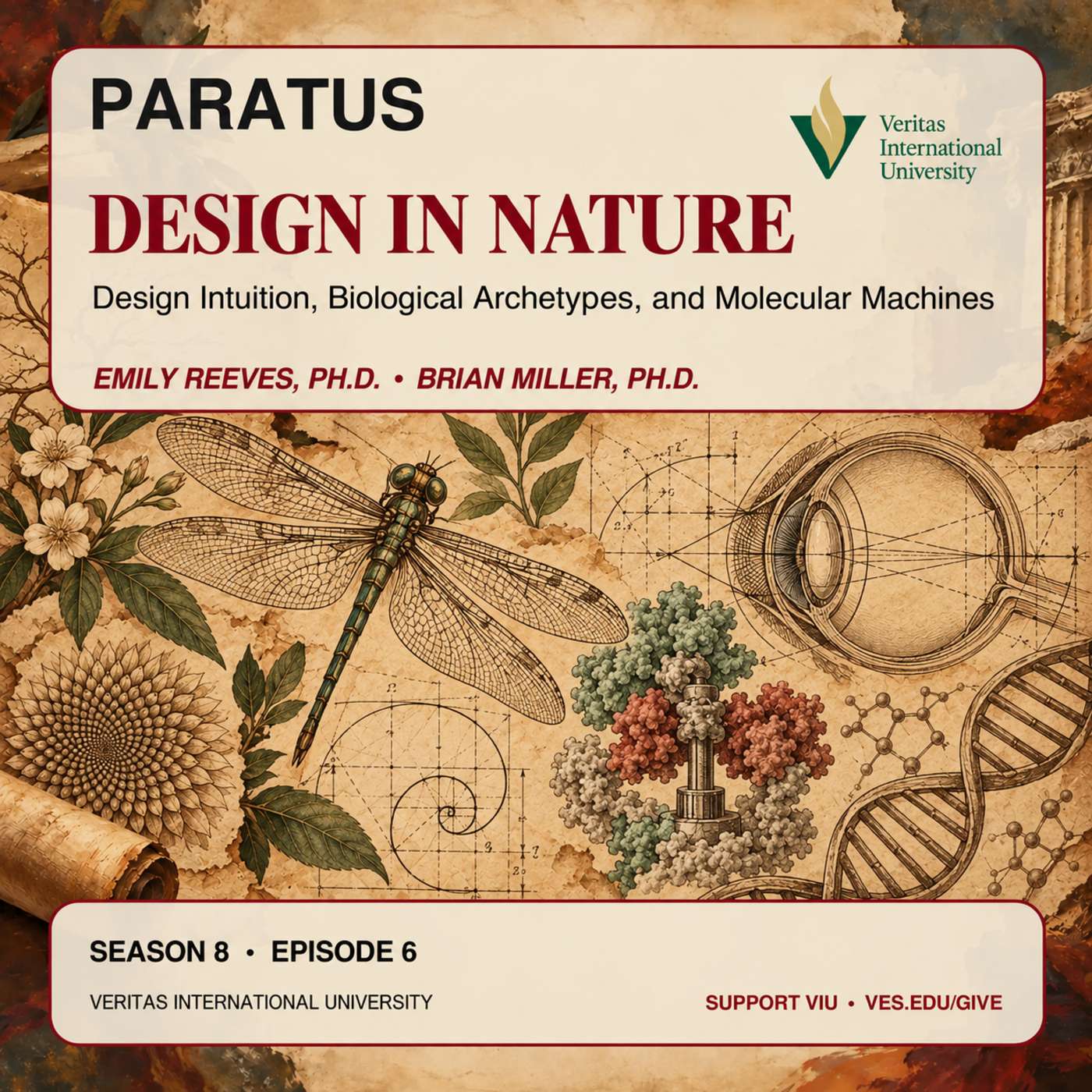
Design in Nature: Does Biology Reveal Intelligent Design? | Emily Reeves & Brian Miller
Oct 17, 2026 · 54m
Does nature merely look designed, or does biology provide testable evidence of intelligent purpose?Host Luke Betzner welcomes biochemist Emily Reeves, Ph.D., and physicist Brian Miller, Ph.D., of...
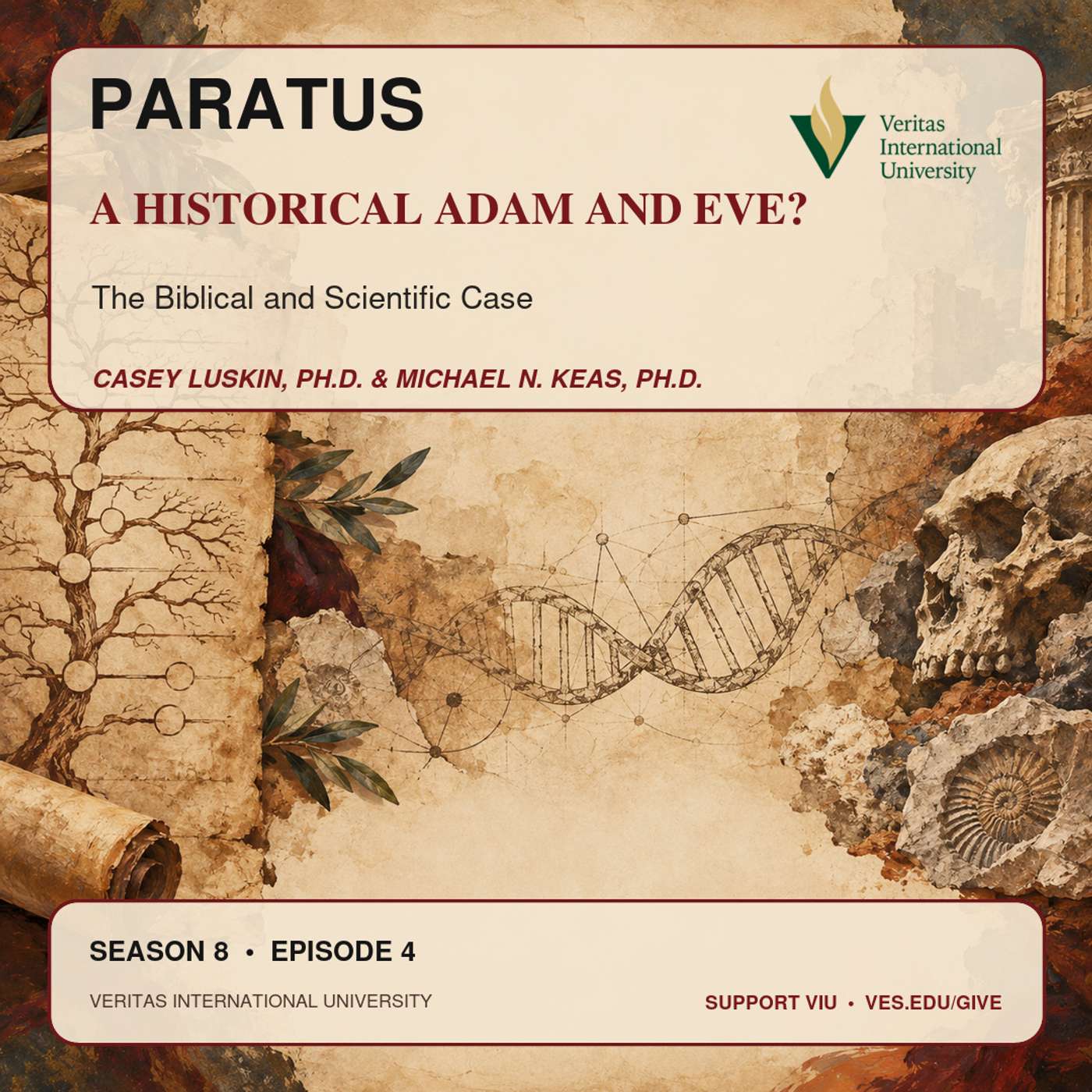
What Is the Biblical and Scientific Case for a Historical Adam and Eve? | Casey Luskin & Michael Keas
Oct 3, 2026 · 55m
Were Adam and Eve real historical people, and how should Christians evaluate scientific arguments about human origins? Host Luke Betzner welcomes Dr. Casey Luskin and Dr. Michael Keas to examine the...
Take these sermons with you.
Follow Paratus in the Getsermons app to get every new sermon, build playlists, and pick up right where you left off.

